Fireplace cleaning logs offer a convenient, in-fire cleanup option for reducing creosote buildup and supporting safer chimney operation. This guide highlights five effective logs and kits, explaining who they’re best for and why they stand out. The top picks balance ease of use, cleaning power, and suitability for various wood-burning setups.
Summary of chosen products:
| Product | Best For | Why It Stands Out |
|---|---|---|
| The Creosote Sweeping Log (CSL) with Bonus Ignite-O Fire Starter | Homeowners seeking a quick burn with dual-action creosote treatment | Dual-action formula; easy to use; ignites like a regular fire log |
| Pine Mountain Creosote Buster Firelog | Seasonal maintenance for all wood-burning fireplaces | Powdered formula to break down creosote; cleaner burn |
| Rutland Creosote Antidote 2-Pack | Heavy creosote prevention with per-fireplace use | Concentrated formula; no wax additives |
| KABIN Kathite Chimney Sweep Cleaner 2LB | Chimney cleaning kits for DIY users | Comprehensive kit; supports better ventilation |
| CSL Creosote Sweeping Log Chimney Cleaner (Qty 5) | Bulk option for ongoing maintenance | Reusable design; multiple-cleaning uses |
The Creosote Sweeping Log (CSL) with Bonus Ignite-O Fire Starter

The Creosote Sweeping Log combines creosote drying and neutralizing action with an easy-to-use burn. Best for homeowners who want a quick, single-burn treatment that can still power a cozy fire. The dual-action formula addresses both existing deposits and new buildup, helping to reduce chimney fire risk when used as part of regular maintenance.
Best for: Everyday fireplaces and woodstoves where a straightforward, burn-in-place solution is preferred. Cautions: Use as directed in a standard fire, and avoid relying on it as the sole method for severe creosote buildup.
Pine Mountain Creosote Buster Firelog
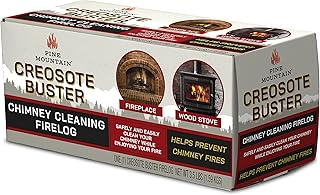
This single-use firelog targets creosote buildup with a specially formulated powder that becomes a penetrative gas when heated. It’s best for seasonal maintenance and quick cleanup, especially in fireplaces that see regular use. It burns cleaner than cordwood and aims to reduce emissions with renewable materials.
Best for: Homes needing seasonal, low-effort maintenance. Cautions: Not a substitute for thorough chimney cleaning in cases of heavy buildup; use as part of an overall fireplace care plan.
Rutland Creosote Antidote 2-Pack

Rutland’s Creosote Antidote comes as a two-pack with a concentrated formula designed to deliver triple cleaning power. It’s ideal for frequent fires and preventative care, helping to prevent dangerous buildup when used as directed. It also emphasizes a cleaner burn due to no wax additives.
Best for: Regular users who want stronger, targeted creosote treatment. Cautions: Use as part of a broader chimney cleaning plan; misapplication can reduce effectiveness.
KABIN Kathite Chimney Sweep Cleaner 2LB

KABIN Kathite offers a chimney cleaning kit designed to help remove creosote and debris, supporting safer ventilation and improved heat circulation. It’s described as better than fire logs for some users who want an active cleaning tool rather than a purely burn-based product.
Best for: DIY enthusiasts who want a kit that supports thorough cleaning and system efficiency. Cautions: Kit effectiveness depends on proper use and timing; not a substitute for professional chimney sweeps in cases of heavy buildup.
CSL Creosote Sweeping Log Chimney Cleaner (Qty 5)

This bulk option includes five reusable chimney cleaners designed for repeated use. It suits households that prefer ongoing maintenance with resilient tools. The design focuses on ease of handling with a medium-firm grip for comfortable use over multiple sessions.
Best for: Homes performing frequent cleanings or those managing multiple fireplaces. Cautions: Reusability requires proper cleaning and drying between uses to prevent mold or residue buildup.
Buying Guide: Key Considerations for Choosing Fireplace Cleaning Logs
What level of creosote buildup is typical for your fireplace?
Light weekly fires may benefit from single-use logs that prevent buildup, while older or heavily used chimneys may require stronger treatments or kits that actively remove deposits.
Do you prefer convenience or active cleaning?
Burn-in logs offer quick, straightforward usage, whereas cleaning kits provide more hands-on removal of deposits. Consider your comfort with DIY maintenance.
Are you maintaining multiple fireplaces?
Bulk options save time and ensure consistent care across spaces, especially for homes with more than one wood-burning system.
What environmental considerations matter?
Look for products emphasizing cleaner combustion, reduced emissions, and renewable materials when possible, especially for long-term usage.
What is your annual maintenance plan?
Creating a schedule that blends seasonal logs with periodic cleaning kits helps prevent creosote buildup and chimney fires more effectively than ad hoc use.
Safety and scalability
Choose products that are straightforward to use and store, with clear instructions. For heavy buildup or structural concerns, consult a professional chimney sweep.
FAQ
- Are fireplace cleaning logs safe for all wood stoves?
Most logs are designed for typical wood-burning fireplaces and stoves, but always follow the product’s directions and check chimney compatibility with your system. - Will logs replace professional chimney cleaning?
No. Logs reduce buildup and support maintenance, but very heavy creosote deposits or structural issues require a professional inspection. - How often should I use creosote logs?
Follow manufacturer guidance, typically seasonally or with regular fire use, to maintain safer chimney operation. - Can I use more than one product at a time?
It’s best to avoid overlapping products. Use a single cleaning approach as directed, and consider combining a log with routine inspections. - Do these products produce more emissions?
Some formulas aim to burn cleaner and reduce particulates; verify claims on the label and prefer renewable materials when available. - What if I smell chemical fumes after using a log?
If unusual odors occur, extinguish the fire and inspect the chimney. Seek professional advice if odors persist.