Answering the need for consistent heat and a realistic log fire experience, these 36-inch gas fireplace inserts with blowers are designed to distribute warm air more evenly across a room. The selection below emphasizes inserts that are gas-powered or vented gas, with blowers to boost heat delivery. Best for living rooms, dens, or basements where steady warmth matters. The top picks suit homeowners seeking retrofit options, compact 36-inch fit, and practical remote control features. The following summary table highlights key details for quick comparison.
| Product | Type | Heat Output (BTU) | Best For |
|---|---|---|---|
| Duluth Forge Dual Fuel Ventless Gas Fireplace Insert | Gas | 32,000 | Small-to-medium living spaces, retrofit installs |
| 36″ Direct-Vent NG Intermittent Pilot Control Fireplace with Blower | Gas | 36,000+ | Large rooms, steady heat) |
| LegendFlame Damon 39″ Electric Fireplace Insert | Electric | 750/1500W | Alternative if gas is not available |
| Crzoe 42 Inch Electric Fireplace Insert | Electric | 750/1500W | Wall-inset flexibility, color customization |
| COSTWAY 36-Inch Electric Fireplace Inserts | Electric | 750/1500W | Budget-friendly, features remote |
Duluth Forge Dual Fuel Ventless Gas Fireplace Insert

Best for compact spaces that still require substantial heat, this 32,000 BTU insert uses dual-fuel ventless operation to provide flexible gas-powered heat with a controllable output. The remote lets you adjust flame and temperature without getting up. Best for owners who want a retrofit option in smaller living areas or a backup heating source in milder climates.
Why selected: Strong heat output in a 32,000 BTU range with ventless capability adds versatility for smaller rooms. Cautions: Ventless units require proper room ventilation and may affect air quality if used heavily without ventilation. Suitable for those prioritizing ease of installation and remote control convenience.
LegendFlame Damon 39″ Electric Fireplace Insert

Better for those preferring electric heat and ambiance, this 39″ electric insert provides 750/1500 watts of warmth with a realistic flame and crackling sound. It includes a remote and glass door aesthetics. Choose this if you want a large electric insert that installs flush with walls and avoids gas lines.
Who it’s for: home renovators seeking a non-gas alternative with flame options. Limitation: electric heat may not replace gas heat in very cold climates; higher energy use than gas in some scenarios.
Crzoe 42 Inch Electric Fireplace Insert

Best for modern aesthetics with programmable flame color and speed, this 42-inch electric insert offers touch panel control and a remote. Choose this if you want flexible placement and vivid flame options without gas lines. Limitation: larger footprint than 36 inches; not a direct gas replacement.
COSTWAY Electric Fireplace Inserts 36-Inch

Best for budget-conscious buyers seeking a 36-inch inset with multiple flame colors and brightness levels, plus a timer. It provides 750W/1500W heat with remote control. Best for rooms where electric heat is adequate and you want quick setup. Limitation: not a gas insert, so it won’t reproduce natural gas flame realism.
36″ Direct-Vent NG Intermittent Pilot Control Fireplace with Blower
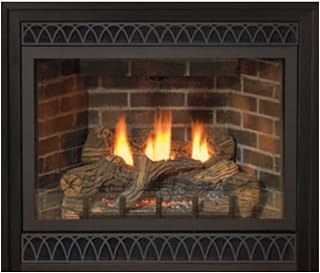
Best for homes requiring reliable natural gas heat with a built-in blower for improved room warming. This 36-inch direct-vent NG unit uses intermittent pilot control and a blower to circulate air. Choose this if you desire a gas-insert feel with steady operation and a conventional vent setup. Caution: proper venting and gas line installation are essential; consult a pro for safe installation.
Buying Guide
What heat source fits your home? Gas inserts require venting and gas lines, while electric inserts avoid fuel connections but may use more electricity. For warmth reliability in living areas, prioritize BTU output and blower effectiveness. Consider room size, ceiling height, and insulation when selecting 32,000–36,000 BTU gas options versus electric equivalents.
How important is realism of flame? Gas inserts tend to provide more realistic flame patterns and authentic heat. Electric inserts offer flame colors and ambient lighting without combustion byproducts. If you value aesthetics as much as heat, balance flame realism with energy use.
What installation considerations matter? Venting type (vented direct-vent vs ventless), clearance to combustibles, and professional gas line connections are critical for gas inserts. Electric inserts emphasize wall clearance, outlet placement, and flush mounting options.
How does blower performance affect warmth? A dedicated blower helps push warm air farther into the room, enhancing comfort in larger spaces. If heat distribution is a priority, look for models with adjustable blower speeds and well-designed air paths.
FAQ
- What is a 36-inch gas fireplace insert with blower best for? Answer: Medium-to-large rooms where stable, even heat and a realistic flame are desirable.
- Are vented gas inserts safer than ventless? Answer: Vented units require proper venting and are generally safer for long-term use in well-ventilated spaces; ventless units rely on room air and proper ventilation practices.
- Can I install a gas insert myself? Answer: Gas inserts typically require professional installation for gas lines, venting, and safety compliance.
- Do electric inserts replace gas for cold climates? Answer: Electric inserts provide warmth, but gas inserts often deliver more consistent heat in very cold climates; choose based on climate and energy goals.
- Is a remote control standard for these inserts? Answer: Many models include remotes for flame height, temperature, and timer settings, though availability depends on the specific product.
- Should I choose a direct-vent or ventless gas insert? Answer: Direct-vent inserts vent to the outdoors, reducing indoor air mixing, while ventless models vent inside; check local codes and room ventilation needs.