Find the right chimney pipe for all-fuel use and UL 103 HT compliance. This guide highlights five top choices designed for wood stoves, fireplaces, furnaces, and other fuel types. Best for serious installers and homeowners seeking durable, code-ready venting solutions. The selections emphasize Class A, double-wall construction, and compatible fittings. A quick buyer’s table follows to compare key points at a glance.
| Product | Brand | Type | Best For |
|---|---|---|---|
| Shasta Vent HT Wall Thimble & Finishing Collar | SHASTA VENT | Class A, All-Fuel | Wood stoves and residential vents |
| Shasta Vent Locking Band | SHASTA VENT | Locking band | Secure connections in HT systems |
| Shasta Vent 8″ x 48″ Chimney Pipe | SHASTA VENT | Class A, All-Fuel | Long runs, HT UL103 |
| Dura-Tech SIMDUR 6DT-09SS | DuraVent | Class A, 430 SS | Wood, oil, gas, coal—varied fuels |
| American Metal 8HS-24 | American Metal Filter | Triple wall, snap lock | High-performance insulated runs |
Shasta Vent HT Wall Thimble & Finishing Collar

The Shasta Vent HT system uses a Class A, double-wall chimney with 304 stainless inner and outer walls and a high-temperature ceramic blanket. This wall thimble and finishing collar kit is designed for all-fuel venting, including wood, oil, coal, natural gas, and propane appliances. Best for installers needing durable, high-heat separation between indoor and outdoor sections. A potential limitation is that installation requires precise fit within the HT assembly for optimal performance.
Shasta Vent Locking Band
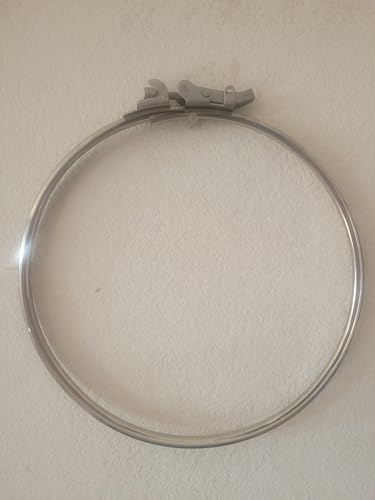
The locking band secures connections in Shasta Vent HT chimney components. It is part of the same all-fuel, Class A system and helps ensure a tight, code-compliant seal across joints. Best for ensuring a robust lock in long runs; use with compatible Shasta HT sections. A limitation is that it should be paired with matching components to maintain UL103 HT performance.
Shasta Vent 8″ X 48″ Chimney Pipe

This 8″ x 48″ chimney pipe is a component of the Shasta Vent All-Fuel HT system. It features Class A, double-wall stainless steel and is ETL listed to UL 103 HT. The system uses 304 stainless steel, with a thin ceramic insulation blanket, laser-welded walls, and twist-lock connections. Best for longer runs with a focus on durability and high heat tolerance. Limitations include needing compatible fittings to complete a full system.
Dura-Tech SIMDUR 6DT-09SS 6×9 Chimney Pipe

This Class A chimney pipe uses 430 stainless steel (or optional galvanized) and is intended for use with wood, oil, coal, gas, or other solid/liquid fuels. Suitable for zero-clearance fireplaces and factory-built appliances. Best for versatile fuel setups and durable construction; a limitation is that some models are not full stainless steel on all parts, depending on the exact SKU.
American Metal 8HS-24 Triple Wall Insulated Pipe

This 8″ x 24″ triple-wall insulated chimney pipe features a snap-lock joint and is designed for high-heat, all-fuel venting. It offers robust thermal insulation and a secure connection system. Best for users prioritizing insulation and ease of assembly in residential setups. A caveat is that triple-wall performance depends on correct installation and sealing of joints.
Buying Guide
Key considerations for choosing chimney pipe include:
- Fuel compatibility: Confirm all-fuel suitability if you plan to vent wood, gas, coal, and oil appliances.
- Class A and UL103 HT: Ensure the product meets Class A double-wall standards and UL 103 high-heat testing.
- Wall material and thickness: Look for 304 stainless steel inner/outer walls and ceramic blankets for durability and heat management.
- Connection system: Favor twist-lock or snap-lock joints for secure, straightforward installation.
- Length and configuration: Plan for run length, number of elbows, and the need for thimbles or finishing collars.
- Installation environment: Consider outdoor exposure, wind, and snow when selecting roof brackets and supports.
FAQ
- What does UL 103 HT mean for chimney pipes? It indicates a high-heat standard for Class A chimney systems, ensuring greater fire resistance during creosote fires.
- Are all-fuel chimneys suitable for wood stoves and gas appliances? Yes, but verify the specific model’s listed fuels to avoid incompatibilities.
- What is the benefit of a triple-wall insulated pipe? It improves heat retention and reduces surface temperature on the exterior.
- Do I need a wall thimble or finishing collar? These help seal and insulate the penetration in walls, improving safety and efficiency.
- How important are locking bands? They ensure joints stay secure and reduce the risk of leaks or disconnection over time.
- Can I mix brands in a chimney run? It’s best to use compatible components from the same system to maintain UL103 HT compliance.