Answering the needs of poultry keepers, this guide highlights propane-powered and electric coop heaters that deliver dependable warmth for chicks, pullets, and adult birds. Each option is chosen for specific use cases—compact spaces, larger coops, or sensor-assisted warmth. Ideal buyers include small backyard flock owners, poultry hobbyists, and those seeking controlled heat with minimal maintenance. Below, compare top picks, including what each heater does best and where to avoid potential drawbacks.
| Product | Best For | Key Benefit |
|---|---|---|
| ProCom ML100TBAHR | Small to medium coops | Thermostat-controlled heat with 10,000 BTU capacity |
| Chick Gas Brooder Heater (Kuuleyn Store) | Medium to large brood areas | Wide heating area with multiple gas options |
| Smart Chicken Coop Heater (Chickcozy Store) | Precision temperature control | Smart sensor maintains preset temps |
| 300W Hanging Chicken Coop Heater (Unbranded) | Chicks and small brood pens | Two heating levels, easy hanging install |
| HOPOCO 200W Heater | Coops with timers or smart plugs | Memory and timer-compatible for automation |
ProCom Liquid Propane Ventless Ice House Heater – 10,000 BTU

Best for: Small to medium coops or indoor spaces where ventless propane heat is acceptable. This model delivers up to 10,000 BTU and can heat up to about 300 square feet, making it suitable for insulated barns or sheltered runs. The thermostat control allows automatic cycling to maintain a chosen temperature, reducing flame fluctuations and improving bird comfort. Use with a standard 20-pound propane cylinder via the included 10-foot hose and regulator for straightforward operation.
Why chosen: It combines compact sizing with reliable propane heat and a simple thermostat cycle, ideal for owners who want even warmth without frequent adjustments. A potential limitation is the need for proper ventilation per safety guidelines in enclosed spaces, even though the unit is ventless.
Chick Gas Brooder Heater, Kuuleyn Store
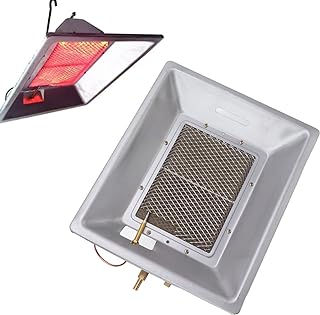
Best for: Medium to large brood zones where a strong radiant heat source is needed. This infrared gas brooder heater covers 700–900 chicks and a corresponding area of 10–15 m², delivering 2.46 kW/h and 2116 kcal/h of heat. It supports multiple gas types including natural gas, liquefied gas, propane, and methane, with specified gas pressure requirements. This makes it versatile for setups with different gas utilities.
Why chosen: The broad heating area paired with multiple gas compatibility offers flexibility for varied coop layouts. Limitation: Gas pressure requirements must be carefully matched to your supply; mismatched pressure can reduce efficiency or affect performance.
Smart Chicken Coop Heater, 200W (Chickcozy Store)

Best for: Chicks and adult chickens in varied growth stages where precise automatic warmth is beneficial. This heater uses a built-in smart sensor to adjust output in real time, maintaining preset temperatures and preventing overheating. Temperature targets differ between chicks (70–95°F) and adults (100–190°F), with safe, comfortable ranges designed to encourage activity and productivity.
Why chosen: Sensor-driven regulation reduces manual tweaking and helps protect birds during cold snaps. Caution: Ambient conditions can influence sensor accuracy; plan for minor manual adjustments during rapid weather changes.
300W Hanging Chicken Coop Heater (Unbranded)

Best for: Chick brood pens or small guest pens where quick onboarding of warmth is needed. This hanging heater operates at two levels—300W for adult poultry and 150W for chicks—providing scalable warmth for different flock stages. A long 9.8 ft power cord adds installation flexibility, and a durable carbon fiber heating element supports longer life.
Why chosen: The two-level design enables efficient energy use while addressing the specific heating needs of chicks and adults. Limitation: Installation height and clearance are important to avoid overheating or contact with birds or nesting materials.
HOPOCO 200W Chicken Coop Heater

Best for: Coops that rely on timer or smart plug automation. The HOPOCO heater includes memory features so settings persist through outages, and it supports a maximum panel temperature around 191°F with adjustable ranges from 122°F to 191°F. This makes it suitable for year-round warmth with automation compatibility.
Why chosen: Automation-friendly design helps maintain consistent warmth with minimal manual input. Caution: Ensure timer or thermostat compatibility with your existing electrical setup to avoid unintended power cycling.
Buying Guide: Key Considerations For Propane And Electric Coop Heaters
- Space size and insulation: Larger, well-insulated coops reward higher BTU units, while smaller or poorly insulated spaces may overheat with high BTU models.
- Fuel type and availability: Propane heaters require safe handling and ventilation in enclosed spaces; electric heaters need reliable power with appropriate circuits.
- Temperature control: Thermostats and smart sensors help maintain stable temperatures, reducing stress on birds and saving energy.
- Safety features: Look for auto shutoff, flame sensors, tip-over protection, and proper mounting options to prevent fire hazards.
- Installation flexibility: Hanging, wall-mount, and standing options affect airflow, accessibility, and maintenance.
- Maintenance and maintenance-free operation: Ventless propane units require venting considerations, while electric heaters need cord length and weatherproofing for outdoor use.
- Gas or electrical codes: Ensure compliance with local codes, especially for gas-powered heaters in enclosed areas.
Frequently Asked Questions
- What size heater do I need for my coop? – Start with coop square footage and insulation. Use BTU calculations or manufacturer guidance to estimate needed heat, then choose a model with a comfortable safety margin.
- Is vent-free propane safe for coop heating? – Vent-free units can operate safely with proper ventilation and clearance, but always follow the manufacturer’s safety guidelines and local codes.
- Can I use an electric heater in an outdoor coop? – Yes, if the heater is rated for outdoor use and protected from rain and moisture, with a weatherproof enclosure and proper cord protection.
- Should I choose a thermostat or a smart sensor heater? – Thermostats offer straightforward control, while smart sensors adjust to ambient conditions automatically; choose based on preferred automation level.
- What maintenance is required for propane heaters? – Regular inspection of hoses, regulators, and clearance areas; replace any worn components and ensure proper venting and carbon monoxide safety.
- Are these heaters safe for chicks? – Most models include low-to-moderate heat targets and safe operating ranges; always follow chick-specific temperature guidelines and monitor behavior for signs of overheating or cold stress.