When you need hot water right at the sink, a compact point-of-use water heater is the best solution. These devices fit under sinks, in cabinets, or on walls and deliver quick, on-demand hot water without a full-size unit. This guide highlights five top options and explains who each is best for, plus practical buying tips to compare models side by side.
Summary of selected products
| Product | Best For | Key Benefit |
|---|---|---|
| BOSCH Electric Mini-Tank ES2.5 | Small homes, under-sink installs | 2.5-gallon tank with high thermal efficiency and easy independent installation |
| xwdzswgs Tankless 110V 3000W | Under-sink hot water with digital control | Tankless with LED display and strong temperature control |
| BISELONG Under Sink 2.5 Gal | Compact multiple-use applications | High heat transfer with stainless steel tank and smart insulation |
| ThermoMate Mini Tank ES250 | Reliable, durable under-sink heat | 3-layer porcelain enamel lining and robust heating element |
| KENUOS 2.5 Gallon Under Sink | Energy-saving and precise temp control | Digital display with adjustable range and efficient insulation |
BOSCH Electric Mini-Tank Water Heater Tronic 3000 T ES2.5
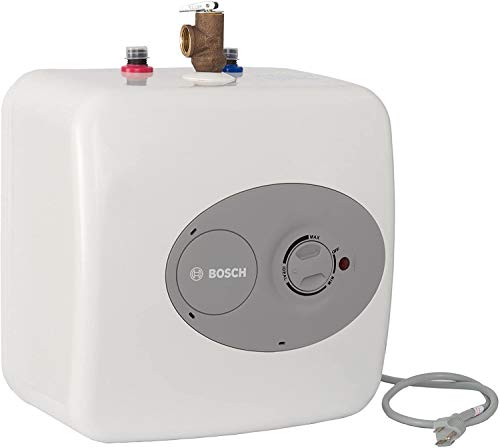
The BOSCH ES2.5 is a compact 2.5-gallon mini-tank designed to sit under a sink. It supports independent installation with a 120-volt outlet and includes a 36-37 inch cord. Thermal efficiency is rated at 98%, emphasizing energy savings for point-of-use needs. Best for small apartments or breaks in larger homes where space is at a premium and hot water is required near the sink. A limitation is the fixed 2.5-gallon capacity, which may fill slower with multiple taps at once.
Tankless Water Heater Electric 110V 3000W Under Sink

This under-sink tankless model offers 3000W heating with an LED digital display. It provides on-demand hot water with no storage tank, raising water temperature quickly for a small flow rate. Not ideal for showers or high-demand scenarios, but excellent for kitchens or bathrooms with modest hot-water needs. Safety features include IPX4 waterproofing and auto shutoff in overheating or idle states, making it a solid choice for compact spaces.
BISELONG 2.5 Gallon Under Sink Water Heater
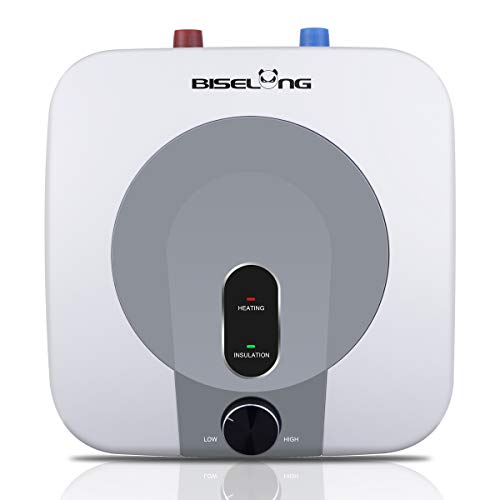
The BISELONG 2.5-gallon unit emphasizes rapid recovery with a 1500W “L” shaped heating element and a 99% thermal efficiency. A built-in smart chip optimizes temperature and insulation to minimize heat loss. The stainless steel tank reduces corrosion risk and supports consistent performance. Best for users who want faster heating at the point of use and strong insulation. A potential limitation is that higher flow demands may reduce outlet temperature or require lower usage flow.
Electric Mini Tank Water Heater ThermoMate ES250

The ThermoMate ES250 is a 2.5-gallon unit with a heavy-duty build and three-layer enamel glass lining. Its 10,000 impulse life test suggests durability against corrosion and leaks, complemented by an Incoloy 800 heating element for stronger corrosion resistance. Best for those seeking long-term reliability and hard-wearing construction. Limitation: older designs may be bulkier than newer compact models, affecting install flexibility in very tight spaces.
KENUOS Under Sink 2.5 Gallon Water Heater

The KENUOS model features a digital temperature display with adjustable settings from 86°F to 150°F and a 95% thermal efficiency. Its CPC-free polyurethane insulation enhances heat retention and energy efficiency, making it suitable for users who place a premium on precise temperature control and insulation. A caution is the need to ensure proper clearance for venting and access to the control panel in tight under-sink installations.
Buying Guide: How To Choose The Right Small Water Heater For Your Sink
- Capacity vs. demand: For single-sink usage or low-flow needs, a 2.5-gallon unit is typically sufficient. If you anticipate higher flow or multiple fixtures, consider alternatives with better recovery rates or tankless designs.
- Tank vs. tankless: Tank-style heaters store hot water and provide instant supply, but take more space. Tankless units heat water on demand and save space but may have lower flow at higher temperatures. Choose based on space and typical hot-water needs.
- Power and electrical requirements: Most under-sink units run on 110V–120V. Check current capacity in your building and ensure compatible circuit protection (breaker size and wire gauge) to avoid nuisance tripping.
- Temperature control: Look for adjustable thermostats or digital displays for precise temperature settings. Some units offer Celsius/Fahrenheit switches and memory functions for quick restoration of preferred temps.
- Insulation and efficiency: Better insulation minimizes standby heat loss. Look for units with thick polyurethane insulation and high thermal efficiency ratings to save energy over time.
- Materials and durability: Stainless steel tanks resist corrosion and leaks; enamel or glass-lined tanks provide durability against minerals. Consider the environment (hard water, salt exposure) when selecting materials.
- Safety features: Important options include leak protection, dry-fire protection, overheating protection, IPX-rated waterproofing, and automatic shut-off after inactivity. These reduce risk in small spaces.
Frequently Asked Questions
- What’s the main difference between tank and tankless under-sink heaters?
– Tank models store a small volume of hot water for quick access, while tankless models heat water on demand, saving space but sometimes limiting flow at higher temperatures. - How much space do these units typically require?
– Most compact models fit under a standard kitchen or bathroom sink and measure roughly 13 x 11 inches with height varying by model. - Can I install these myself or should I hire a professional?
– Many are designed for DIY installation with standard 120V outlets, but some setups may require professional electrical work or plumbing adjustments. - Are these units safe for use in laundry rooms or near pets?
– Look for IPX waterproofing and auto-shutoff features; keep the heater away from water spray zones and ensure proper ventilation and clearance. - Will these affect my hot water supply to other fixtures?
– Point-of-use heaters are intended to serve a single location. If you need hot water at multiple outlets, a larger home unit or multiple point-of-use heaters may be necessary.