If your hot water heater is delivering less-hot water or you notice rusty or sandy water, sediment buildup is the likely cause. This guide highlights five top tools designed to flush, break up, and remove sediment from electric or gas water heaters. Each option targets different needs—from DIY tank flushing to tankless setups—so you can choose what fits your system and skill level. The following table summarizes the featured products and who they’re best for.
| Product | Best For | Why It Stands Out |
|---|---|---|
| Sediment Gone™ Water Heater Sediment Removal Tool | Homeowners with simple drains | Active agitation during draining helps loosen compacted sediment |
| The Original Sediment Buster® | Gas or electric tanks needing UL-verified safety | UL verification and compatibility with gas or electric tanks |
| Water Heater Cleaning Tool by Turbo Tank Cleaner | All tank types needing heavy-duty sediment breakup | Physically breaks up large deposits at the tank bottom |
| KEMIMOTO Tankless Water Heater with Pump | Outdoor or off-grid setups | Fast heating and portability for tankless systems |
| Camco Camper & RV Water Heater Tank Rinser | RVs and campers requiring simple garden-hose flushing | Concentrated flushing through the drain valve for quick cleaning |
Sediment Gone Water Heater Sediment Removal Tool

The Sediment Gone tool is designed to stir, loosen, and flush stubborn sediment buildup from electric or gas water heater tanks. It actively breaks up compacted sediment while draining, then carries the loosened material out through a standard garden hose connection. This approach aims to maintain heating efficiency, stabilize water pressure, and extend the life of your system. Best for homeowners performing a standard tank flush who want an easy, DIY solution.
Who it’s best for: buyers who want a straightforward, affordable flush kit that integrates with a typical drain valve and garden hose. Why selected: it emphasizes active agitation during drainage to improve sediment removal. Limitation: performance relies on proper valve access and correct threading; misalignment can impede flushing.
The Original Sediment Buster® Water Heater Flushing Tool
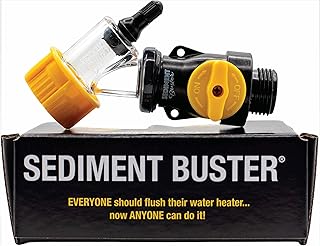
The Original Sediment Buster is UL Verified V699054 and designed for cleaning and draining gas or electric water heaters. It works with compressed gas cartridges, air compressors, or pumps, offering a flexible option for different setups. This tool is especially suitable where electrical or gas safety and reliability are a priority and where detailed instructions are available.
Who it’s best for: buyers seeking UL-verified safety and multi-source pressurization options. Why selected: verified under high temperature and pressure conditions; broad compatibility. Limitation: requires access to an appropriate pressurizing source (gas cartridge, air compressor, or pump).
Water Heater Cleaning Tool for Sediment Removal

The Turbo Tank Cleaner focuses on breaking up large sediment deposits that traditional flushing leaves behind. It claims to extend the heater’s lifetime, improve efficiency, and reduce energy use. It’s marketed as universal for gas and electric tanks, not intended for tankless units. This makes it a strong choice for older, sediment-heavy heaters where clogged bottom deposits are an issue.
Who it’s best for: buyers dealing with stubborn bottom sediment that don’t respond to light flushing. Why selected: emphasis on breaking up large sediment clumps in a single use. Limitation: not compatible with tankless water heaters.
KEMIMOTO Tankless Propane Water Heater with Pump

This is a propane-powered, compact tankless heater designed for outdoor or portable use. It features a built-in pump and simple operation with a detachable handle for hanging. Use it where a quick hot-water supply is needed for off-grid or temporary setups. It’s best for travelers, campers, or outdoor enthusiasts who need rapid heating in the field.
Who it’s best for: buyers seeking a compact, portable tankless solution with a pump. Why selected: rapid heating and adjustable safety features help manage water temperature. Limitation: not a traditional tank heater; intended for tankless systems.
Camco Camper & RV Water Heater Tank Rinser

The Camco Rinser is designed to flush sediment from RV and camper water heaters by connecting to a standard garden hose and flushing into the drain valve. It helps extend tank life and improve heating efficiency by removing sediment that collects at the bottom. It’s straightforward to use, making it a practical choice for RV owners who want a quick, on-the-road cleaning option.
Who it’s best for: buyers maintaining RV or camper water heaters who prefer a simple garden-hose approach. Why selected: concentrates a strong water stream to wash sediment away. Limitation: compatible size and valve type are essential for proper use; confirm tank valve access before purchase.
Buying Guide
What type of heater do you have?
Electric, gas, or tankless systems require different tools. Electric and gas tanks often need flushing through the drain valve, while tankless units may require different maintenance approaches. Choose a tool that matches your heater type and installation.
How severe is the sediment?
Light sediment may respond to simple flushing, while heavy, compacted sediment benefits from a tool that agitates and breaks up deposits. Consider a kit designed for heavy buildup if your tank has been neglected or hasn’t been flushed in years.
Is safety a priority?
UL verification and compatibility with pressurized sources can influence choice. If you’re concerned about high-temperature or high-pressure scenarios, pick a tool that is UL-listed or explicitly safe for your heater type.
Do you have access to the drain valve?
Some tools require threading onto the drain valve and a standard garden hose. Ensure your valve shape and location allow for a secure connection and that you have sufficient space to maneuver during flushing.
Cost vs. value
Most sediment-removal tools are affordable when compared to potential long-term efficiency gains and extended heater life. For repeat maintenance, consider tools that offer repeatable results and ease of use.
Installation and usage notes
Follow product instructions for assembly and operation. Improper use can cause leaks, valve damage, or incomplete sediment removal. When in doubt, consult a professional plumber, especially for gas-powered heaters or complex RV plumbing.
FAQ
- Q: Will these tools damage my water heater? A: When used as designed and with proper valve connections, most tools are safe. Always follow manufacturer instructions and shut off power or gas when necessary.
- Q: How often should I flush my water heater? A: For most homes, a yearly flush is recommended, but heavy mineral areas may require more frequent maintenance.
- Q: Can I use these tools on tankless water heaters? A: Some tools are designed for tanked systems only; others specify universal use. Check product details to confirm compatibility with tankless units.
- Q: Is UL verification important? A: UL verification adds safety assurances for high-temperature and high-pressure environments. Choose UL-listed tools if available.
- Q: Do these tools remove all sediment in one use? A: They improve removal, but a strong flush may require multiple cycles depending on buildup. Follow recommended procedures for best results.
- Q: Should I hire a professional if I have gas-powered equipment? A: If you’re unsure about safety or connections, consulting a licensed plumber is prudent to avoid gas or carbon monoxide risks.