A direct-vent water heater draws combustion air from outdoors and sends exhaust outdoors, while a standard-vent heater generally draws combustion air from the room and uses natural draft to carry exhaust up a vent. The right choice depends on the heater’s approved venting design, installation layout, and available air supply. The products below include direct-vent equipment, standard-vent components, and a side-wall vent system to help compare options; they are not interchangeable parts.
| Product | Best suited for | Venting role |
|---|---|---|
| Noritz NRC71DVNG | Buyers seeking an indoor direct-vent tankless heater | Direct-vent appliance |
| MIZUDO Direct Vent Kit | Buyers whose heater specifies a 3-inch-by-5-inch kit | Direct-vent component |
| Rheem ProTech Vent Hood | Compatible standard-vent installations | Draft hood |
| Tjernlund VP-3F | Specified millivolt gas heaters needing side-wall venting | Mechanical vent system |
| Vent Wall Thimble | Installations requiring a wall pass-through for listed pipe sizes | Vent-pipe accessory |
How Direct Vent and Standard Vent Water Heaters Differ
A standard-vent water heater typically takes combustion air from the space around the appliance. Hot exhaust rises through the vent by natural draft. This arrangement depends on an appropriate vent path and adequate air for combustion. A direct-vent heater uses a sealed combustion arrangement that brings air in from outdoors and sends exhaust outside through a manufacturer-approved vent system.
Neither design is automatically right for every home. Direct vent can suit locations where using room air is undesirable or where the appliance needs a specified side-wall vent arrangement. Standard vent may suit a home with an existing, suitable vertical vent path and adequate combustion air. The heater’s manual, local code, and a qualified installer determine what is permitted.
Some appliances use powered venting, which uses a fan to move exhaust. A side-wall power-vent system is not necessarily the same as direct vent: the air intake arrangement depends on the appliance and vent system. Check the product’s documentation rather than identifying a heater by the direction its exhaust pipe exits.
Noritz NRC71DVNG Direct Vent Tankless Heater

Best for: Buyers considering an indoor, natural-gas tankless water heater with a direct-vent design. It is the clearest appliance-level example in this selection for comparing a direct-vent heater with a conventional standard-vent setup.
The listed features include endless hot water, high efficiency, and a compact design. Unlike the other products here, this is a water heater itself rather than a vent accessory. Its direct-vent designation means its air and exhaust arrangement must follow the model’s specified venting instructions.
Why it was selected: It gives buyers a concrete example of a direct-vent appliance rather than only a pipe or fitting. Limitation: The provided details do not specify vent-kit requirements, installation dimensions, or household capacity. Confirm those details in the manufacturer’s documentation before choosing it.
MIZUDO 3-Inch-by-5-Inch Direct Vent Kit

Best for: Buyers whose tankless heater documentation calls for a compatible 3-inch-by-5-inch direct-vent kit. The listing describes it as compatible with most gas tankless water heaters using that size, but the exact heater model still needs to be checked.
The kit includes a 3-inch-by-5-inch elbow, a straight pipe, a clamp, and two trim rings. The listing gives a total length of 32 inches and identifies 304 stainless steel construction. These details make it more useful for comparing a complete vent-kit package with separate vent accessories.
Why it was selected: It represents direct-vent components for tankless appliances. Limitation: “Most” does not mean universal. Do not assume that a pipe size or material alone proves compatibility; verify the heater’s approved vent parts and installation instructions.
Rheem ProTech Draft Hood

Best for: Buyers replacing or sourcing a draft hood for a water heater installation that specifically accepts this Rheem part and a 3-inch or 4-inch vent system. A draft hood connects the heater to the vent and helps combustion gases move upward through the vent.
This product is more relevant to a standard-vent comparison than to a sealed direct-vent setup. Its listed purpose is to assist the updraft of combustion gases, and its stated venting compatibility is 3-inch or 4-inch systems.
Why it was selected: It illustrates a standard-vent component and the role of draft in venting. Limitation: The listing does not establish that it fits every water heater using those pipe diameters. Check the appliance instructions and part requirements before purchasing.
Tjernlund VP-3F Side-Wall Vent System
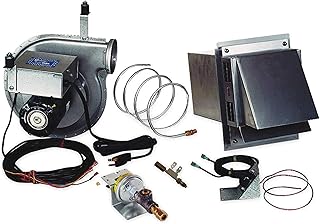
Best for: Buyers evaluating side-wall exhaust routing for a compatible millivolt gas water heater. The listing says it vents any brand or type of millivolt gas water heater and allows the heater to be located up to 75 feet from an outside wall.
This is a mechanical vent system, which is a separate category from both natural-draft standard venting and sealed direct venting. Its listing also says no electrician is needed. That statement should not replace checking the full installation requirements or determining whether the particular heater is approved for use with this system.
Why it was selected: It helps explain that side-wall venting does not by itself mean a heater is direct vent. Limitation: Its stated application is millivolt gas water heaters; do not assume it is suitable for other controls or appliance types.
Vent Wall Thimble for 2.36-Inch to 3.15-Inch Pipes

Best for: Buyers who need a wall thimble for a vent pipe within the listed 2.36-inch-to-3.15-inch range. A thimble is a wall-pass-through accessory, not a water heater or a complete venting system.
Why it was selected: It represents a supporting component that may be considered when venting passes through a wall. That makes it relevant to comparing wall-exit layouts, while underscoring that the appliance and full vent system must be matched.
Limitation: The supplied product information gives no material, appliance compatibility, or installation specifications beyond the pipe-size range in its name. Confirm the required wall assembly and approved vent configuration before use.
Buying Guide: Choosing Direct Vent or Standard Vent
Which venting design fits the house?
Start with the water heater’s installation manual and the existing vent route. A standard-vent model generally needs an appropriate natural-draft path and sufficient combustion air in the room. A direct-vent model needs its specified outdoor air intake and exhaust arrangement. A house’s current chimney or wall opening does not automatically make either type suitable.
Does side-wall exhaust mean direct vent?
No. Side-wall describes where exhaust exits; direct vent describes how the appliance obtains combustion air and vents exhaust. A powered vent system may move exhaust through a side wall without using the same sealed air-intake arrangement as a direct-vent heater. Identify the appliance and vent system by their manuals, not by outlet location alone.
What should buyers check before buying vent parts?
- Exact appliance model: Confirm that the component is approved for the specific heater.
- Pipe dimensions: Match the required diameter and configuration, not just a similar measurement.
- System type: Distinguish natural-draft, power-vent, and direct-vent equipment.
- Complete route: Check the full vent length, elbows, termination, and wall or roof passage requirements specified by the manufacturer.
- Local requirements: Installation rules can vary by location. Confirm applicable code requirements with the local authority or a qualified professional.
When is a standard-vent heater a practical option?
A standard-vent model may be appropriate when a compatible natural-draft vent is already available and the installation provides the air and clearances required by the manufacturer. It may be less suitable when the vent route is not approved, room combustion air is inadequate, or the home’s layout calls for another appliance type.
When should buyers consider direct vent?
Consider direct vent when the selected appliance is designed for sealed combustion and its specified air-intake and exhaust route works for the home. Compare the required vent kit and route before choosing the heater. A direct-vent label alone does not guarantee that a particular wall, pipe, or accessory will fit.
Is replacing only the vent hood or pipe enough?
Not necessarily. Vent components form part of a system, and a replacement part must match the water heater’s requirements. A draft hood, thimble, or direct-vent kit cannot be treated as a universal upgrade. If the existing system is damaged, improperly sized, or incompatible, have the complete arrangement assessed.
Frequently Asked Questions
What is the main difference between direct vent and standard vent?
Direct vent uses an outdoor air intake and exhaust arrangement specified for sealed combustion. Standard vent generally draws combustion air from the room and relies on natural draft to carry exhaust up the vent.
Is direct vent the same as power vent?
No. Direct vent identifies the combustion-air and exhaust arrangement. Power vent identifies mechanical assistance to move exhaust. An appliance’s documentation determines whether it uses one or both features.
Can I use a direct-vent kit with any tankless water heater?
No. The kit must be approved for the specific heater and match its required dimensions and vent configuration. Check the manufacturer’s instructions before purchase.
Can a standard-vent water heater exhaust through a side wall?
Only if the heater and vent system are specifically approved for that installation. A side-wall exhaust route may involve a mechanical vent system and does not automatically make the appliance direct vent.
Which vent type is more efficient?
Vent type alone does not determine efficiency. Efficiency depends on the specific water heater’s design and stated specifications. Compare appliance documentation rather than assuming that direct vent or standard vent is inherently more efficient.