A blue flame waste oil burner can help turn suitable used oil into heat, but the products below differ in power setup, intended use, and fuel controls. The blower-equipped models are best suited to workshop heating, the 12V model is aimed at low-voltage or mobile settings, and the cooking-oriented stove is intended for outdoor use. The listings do not establish that every product produces a consistently blue flame, so compare the documented features rather than relying on flame color alone.
| Product | Best For | Notable Listed Feature |
|---|---|---|
| Burner Stove with Blower Fan | Workshop users wanting a larger burner bowl | 30 cm bowl and integrated fuel reservoir |
| 12V Multi-Fuel Heater | Low-voltage and mobile work areas | 12V design and specified fuel exclusions |
| AC 110V–220V Outdoor Stove | Outdoor cooking | Cast-iron burner head |
| 15 kW Burner for Wood Stoves | Heating applications with a compatible setup | Listed 15 kW output |
| Portable Burner with Blower | Workspaces needing adjustable oil-level attention | Listed 5–10 mm fuel-level guidance |
Waste Oil Burner Stove with Blower Fan

Best for: Workshop and maintenance-area users who want a larger combustion area and a gravity-fed fuel supply. This model is selected for its 30 cm (11.8-inch) burner bowl and integrated reservoir, features that distinguish it from the more compactly described options.
The listing says the burner is designed for used motor oil, waste oil, gear oil, transmission oil, and similar recycled oils. It describes the bowl as providing a large combustion area and says the reservoir supplies fuel by gravity. A blower fan and speed controller are included in the product name, although the supplied feature details do not explain their operating range or controls.
Choose this if a broad burner bowl and fewer frequent refills are priorities. The listing identifies workshop heating, cooking, water heating, and industrial applications, but suitability depends on the complete installation and operating instructions.
Limitation: The listing does not provide a verified heat-output figure or specify that the flame remains blue. Confirm the required power, ventilation, and installation details before use.
12V Waste Oil Burner Heater

Best for: Buyers seeking a compact heater for a garage, shed, farm space, maintenance area, or other small work area with a suitable 12V power arrangement. It is selected because its low-voltage design is a stated feature and sets it apart from the AC-powered cooking stove in this group.
The listing names waste engine oil, hydraulic oil, vegetable oil, and other suitable non-volatile oils as potential fuels. It expressly warns against gasoline, alcohol, highly flammable liquids, and explosive fuels. That warning is important: do not treat “multi-fuel” as permission to burn any liquid or any mixture.
Choose this if 12V operation fits the intended setup and the planned fuel is explicitly suitable according to the manufacturer’s instructions. The product is described for mobile maintenance environments, repair shops, and small workspaces.
Limitation: The listing does not state a heat-output rating, tank capacity, or runtime. Check those details and the installation requirements before deciding whether it can heat the intended space.
AC Waste Oil Burner for Outdoor Cooking

Best for: Buyers focused on outdoor cooking rather than a dedicated space heater. The listing describes quick setup for outdoor cooking and group meals, and the product is selected because it has a distinct cooking-oriented purpose among these five options.
The stated construction includes a sturdy frame, a cast-iron burner head, a heavy-duty metal body, and a high-temperature protective coating. The listing gives an AC voltage range of 110V–220V in the product name. Buyers should verify the actual electrical requirements and operating instructions for their specific unit before connecting it.
Choose this if outdoor cooking is the primary task and the listed construction features match your needs. Do not assume that a cooking burner is automatically suitable for heating an enclosed garage or workshop.
Limitation: The supplied information does not name a heat-output rating, fuel-feed arrangement, or particular oil types. Confirm fuel compatibility and safe use instructions with the seller or product documentation.
15 kW Waste Oil Burner for Wood Stoves
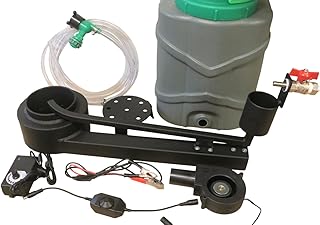
Best for: Buyers evaluating a waste oil burner for a compatible wood-stove setup or a larger heating location. It is selected because the listing provides a specific output figure—15 kW—and names garages, workshops, warehouses, service stations, and manufacturing facilities as possible applications.
The seller says each unit is individually hand-assembled and describes the burner as having durable construction, high heat output, and easy installation and maintenance. These are product listing statements, not independently verified performance results. Confirm whether the burner can be installed in the intended stove and what additional components or clearances are required.
Choose this if the stated 15 kW output is relevant to the heating plan and the product documentation confirms a suitable installation. A specified output can make basic comparisons easier, but it does not by itself establish how well a particular space will be heated.
Limitation: The supplied details do not specify fuel types, fuel-consumption rate, electrical requirements, or flame color. Do not infer compatibility or blue-flame operation from the product name alone.
Portable Waste Oil Burner with Blower
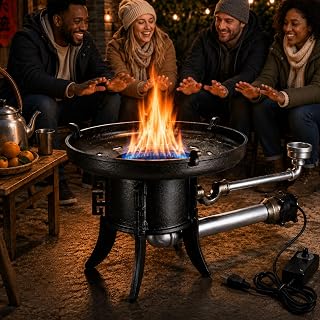
Best for: Buyers comparing a blower-equipped burner for a garage, workshop, barn, or other listed work area. It is selected for its stated oil-level guidance and because the listing specifically describes a yellow-blue mixed flame during operation.
The product information says to keep the oil level within 5–10 mm and not above 1 cm (0.4 inch). It also lists fuel consumption exceeding 1 kg per hour. These operating details make fuel management a key consideration. Follow the manufacturer’s instructions rather than treating the figures as a universal target for other burners.
Choose this if you want a listing that describes a mixed yellow-blue flame and gives specific oil-level guidance. The seller also describes rapid heating and heavy-duty construction, but no independent performance test is provided.
Limitation: The described flame is mixed yellow and blue, not an all-blue flame. The stated consumption rate may also be important when estimating fuel needs; confirm actual operating conditions with the product instructions.
Buying Guide: How to Choose a Waste Oil Burner
Does “blue flame” mean the burner will always burn blue?
No. A product title or flame description is not enough to establish that a burner will produce a stable, all-blue flame under every condition. In this group, one listing describes a yellow-blue mixed flame, while the others do not provide a specific flame-color claim in the supplied details. Flame appearance can depend on the model and its operating setup, so use the manufacturer’s instructions and do not select a burner based on color wording alone.
What will you use the burner for?
Start with the task. The AC 110V–220V model is described for outdoor cooking. The blower-equipped stove and the 12V heater are described for workshop or work-area heating, while the 15 kW burner is listed for heating applications including garages and warehouses. These different intended uses are not interchangeable by default. Confirm that the model is designed for the specific application before buying.
For space heating, consider the area, intended installation, available ventilation, and the manufacturer’s stated output. The 15 kW product is the only option here with a listed output figure. The other listings do not provide enough data to compare their heat output directly.
Which power source and fuel-feed arrangement do you need?
Power requirements can determine whether a burner fits a workshop or mobile setup. The 12V model is presented for low-voltage environments, while the outdoor cooking burner names an AC voltage range. The first blower-equipped stove describes a gravity-fed reservoir. The supplied listing details do not specify electrical requirements for every model, so check the product documentation before purchase.
Fuel compatibility also varies. One model lists used motor oil, gear oil, and transmission oil; another lists engine oil, hydraulic oil, and vegetable oil while explicitly excluding gasoline, alcohol, highly flammable liquids, and explosive fuels. Never assume that a burner can safely use an unlisted fuel. Use only fuels approved by the manufacturer.
How important are tank capacity and fuel consumption?
A larger or integrated reservoir may reduce how often a user needs to refill, but the first product listing does not give a tank capacity or runtime. The portable blower model lists consumption exceeding 1 kg per hour and provides a recommended oil-level range. Those details are useful for planning, but actual consumption may depend on operation and setup. Request missing capacity and runtime information before comparing expected operating time.
What installation and safety details should you verify?
Before operating any waste oil burner, read the complete manual and confirm the intended location, ventilation, exhaust arrangements, electrical connections, fuel handling steps, and clearance requirements. Follow applicable local fire, building, and environmental requirements. Do not use a unit indoors unless its documentation explicitly permits that installation and all required exhaust and ventilation provisions are in place.
Keep the burner away from combustible materials and use only the specified fuel. Do not add gasoline or other prohibited liquids to a waste-oil burner. If the seller’s listing does not provide detailed operating or installation instructions, obtain those details before purchase rather than guessing.
What product information is missing from these listings?
Several listings do not state heat output, tank capacity, exact fuel consumption, installation dimensions, or whether a blue flame is expected. Those omissions make direct performance comparisons difficult. Ask the seller for the product manual, compatible fuel list, electrical specifications, and installation requirements. A clear answer is especially important when adapting a burner to a stove or using it in an occupied workspace.
Frequently Asked Questions
Can waste oil burners use any type of used oil?
No. Fuel compatibility is model-specific. Use only oils named or approved in the product documentation, and avoid fuels expressly prohibited by the manufacturer.
Which product lists a 15 kW output?
The Waste Oil Burner 15 kW for Wood Stoves lists a 15 kW output. Its supplied details do not specify fuel type or flame color, so verify those before purchase.
Which option is described for 12V operation?
The 12V Waste Oil Burner Heater is described as a low-voltage option for settings such as workshops, garages, sheds, and maintenance areas.
Is any product here confirmed to produce only a blue flame?
No. The supplied information does not confirm an all-blue flame for any product. One listing describes a yellow-blue mixed flame.
Can a waste oil burner be used indoors?
Do not assume indoor use is safe or permitted. Follow the exact product instructions and applicable local requirements for installation, exhaust, and ventilation.