Converting a fireplace to propane requires equipment designed for the fireplace’s fuel system, burner, and venting—not just a propane hose. The LPK-24 is the most targeted option for specified Skytech valve kits and 24- to 30-inch gas logs. The GASPRO H-burner is best for shoppers evaluating a replacement burner, while the Midwest Hearth log lighter is for adding a propane ignition aid to a wood-burning fireplace, not converting it into a gas-log fireplace. Confirm appliance requirements and have gas work reviewed by a qualified professional before buying or installation.
| Product | Best suited for | Key distinction |
|---|---|---|
| LPK-24 Propane Conversion Kit | Specified Skytech valve systems | Made for particular Skytech kits and 24–30-inch log sets |
| GASPRO 18 x 6-inch H-Burner | Burner replacement or system planning | Stainless steel burner described for LP and natural gas |
| DRELD Valve Control System | Fire-pit-style control component needs | Includes a valve, thermocouple, hoses, and regulator |
| Midwest Hearth Propane Log Lighter | Lighting wood in a wood-burning fireplace | Ignition aid, not a gas-log conversion kit |
| 15–28-inch Burner Pan | Burner-pan replacement research | Product description identifies a Real Fyre G45 replacement use |
LPK-24 Propane Conversion Kit

Best for: Owners whose gas-log setup uses a compatible Skytech valve kit and a 24- to 30-inch log set. This is the most directly relevant item in the list for a propane conversion because its stated purpose is converting specified Skytech valve systems.
The listed compatibility covers Skytech AFVK, AFVK-SP, and AF-LMF valve kits. That defined compatibility matters: a conversion kit should match the existing valve and appliance rather than being selected by appearance or log size alone. Check the fireplace and valve-system documentation to confirm the exact model and fuel requirements before purchase.
Why it was selected: It is the only listed product explicitly identified as a propane conversion kit for gas-valve systems. Its use is narrower than a universal fireplace conversion, so it is a potential match only when the listed Skytech equipment is present.
Limitation: The features do not claim compatibility with other valve brands or all fireplaces. Do not treat this kit as a complete conversion solution for an unidentified system.
GASPRO 18 x 6-Inch H-Burner

Best for: Buyers comparing a compact replacement burner for an existing gas fireplace or a fire feature. GASPRO describes this 18-by-6-inch H-burner as suitable for low-pressure propane and natural gas, and lists indoor and outdoor applications.
The burner is made from 304-series stainless steel and has machine-drilled gas ports. The package description also lists a flexible gas connector, two fittings, a brass elbow, and a flue-damper C-clamp. These details can help shoppers compare the included components, but they do not establish that the burner will fit a specific fireplace or meet that appliance’s conversion requirements.
Why it was selected: It offers a clearly stated size and fuel range, making it useful for evaluating burner options when planning a compatible system. Its H shape and compact dimensions distinguish it from a conversion kit or control valve.
Limitation: The listing does not identify it as a universal propane conversion kit. Verify burner dimensions, appliance instructions, gas pressure, and required controls before considering it for a particular fireplace.
DRELD Propane Valve Control System Kit

Best for: Buyers seeking a fire-pit-style control assembly with several listed parts in one package. The stated contents include a gas control valve, a thermocouple, a corrugated gas line, and a five-foot LP hose with regulator.
The product description specifies a maximum BTU level of 50,000, working pressure of 65 mbar, a 3/8-inch flare inlet and outlet, and QCC-1 tank connections on the LP hose. These measurements and connection details should be compared with the intended appliance and its documentation. The listing describes the assembly as made from brass, plastic, rubber, and stainless steel.
Why it was selected: It is relevant to propane control-component research and makes its stated package contents and connection details clear. It may help a buyer identify what specifications to compare when sourcing a suitable control assembly.
Limitation: The listing calls this a fire-pit control kit, not a fireplace-specific conversion kit. It also states that it is not OEM. Do not assume it is appropriate for a home fireplace without confirmation from the appliance manufacturer or a qualified professional.
Midwest Hearth Propane Log Lighter
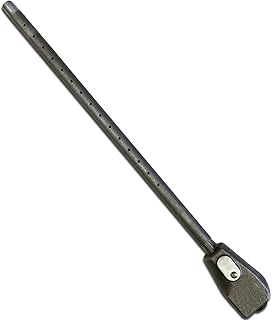
Best for: People who intend to burn wood in a wood-burning fireplace and want a propane log lighter to help ignite the fire. This product is not a substitute for a propane gas-log burner or a complete conversion kit.
The log lighter can be configured for straight or 90-degree installation using its included mixer plug. Its air-and-fuel mixer has an adjustable shutter, and the product description identifies a propane variation. The listed construction is heavy iron pipe with threaded connections, including a 1/2-inch NPT gas inlet.
Why it was selected: It is relevant to propane use in a fireplace but serves a different purpose from converting the fireplace to operate as a gas appliance. This distinction helps prevent shoppers from choosing an ignition aid when they actually need a compatible gas-log system.
Limitation: The product is intended to light wood, not provide a gas-log flame. Select the propane variation and confirm the fireplace installation requirements before use.
15–28-Inch Two-Pipe Burner Pan

Best for: Buyers researching a replacement burner pan for a compatible gas-log installation. The product description presents it as a replacement for a Real Fyre G45 burner set and says it is intended for many ventilated gas fireplaces.
The listed dimensions are 18 inches long, 6 inches wide, and 2.5 inches high, with 1/2-inch male NPT connection hubs on both ends. The listing also gives a 67,000 BTU figure and describes a black powder-coated steel construction. These specifications are useful comparison points, but they do not verify a match with a particular fireplace.
Why it was selected: A burner pan is a distinct component from a propane conversion kit. Its stated replacement purpose and dimensions make it relevant when checking whether an existing burner assembly needs replacement as part of a properly specified project.
Limitation: The listed replacement compatibility is specific to a Real Fyre G45 set, and the product description does not establish universal fit or confirm that it includes all parts needed for propane conversion.
Buying Guide: What To Check Before Converting A Fireplace To Propane
Is the fireplace designed for gas conversion?
Start by identifying the fireplace type and the manufacturer’s instructions. A wood-burning fireplace, a factory-built gas fireplace, and a masonry fireplace with gas logs have different equipment and installation requirements. A log lighter that helps start a wood fire is not the same as a gas-log burner that operates as a gas appliance. Do not assume that a burner or valve described for a fire pit is suitable for an indoor fireplace.
Look for the appliance model number, existing fuel type, valve model, burner specifications, and any conversion instructions. If the equipment identity is unclear, pause before ordering. A qualified fireplace or gas professional can assess whether conversion is allowed and what components are required.
Does the conversion kit match the existing valve?
Compatibility is one of the most important selection criteria. The LPK-24 is described for specific Skytech valve kits and 24- to 30-inch gas-log sets. That does not establish compatibility with other controls. Compare the exact valve model and the fireplace manufacturer’s approved parts list rather than relying on a general phrase such as “propane compatible.”
Conversion requirements may involve more than a burner. Depending on the appliance, the specified parts may include fuel-specific components, controls, connectors, and adjustments. Use only components identified as appropriate for the particular appliance and conversion procedure.
How should burner size and BTU information be compared?
Check the fireplace’s allowable burner dimensions and input specifications against the product documentation. A burner’s physical size alone does not prove that it is suitable. Similarly, a stated BTU figure is not a recommendation for every fireplace. Confirm that the intended burner and controls match the appliance’s specified fuel input and installation design.
Compare connection sizes and types, too. Product descriptions may list flare fittings, NPT threads, or tank connections. Similar-looking fittings are not necessarily interchangeable, and a connection detail does not establish that an assembly is approved for the intended application.
Is this a complete kit or only one component?
Separate conversion kits from burners, burner pans, valve assemblies, and log lighters. A product may include several hoses and fittings while still being intended for a different kind of appliance. Check the package contents and the required parts in the fireplace manual. Do not infer that a listed “kit” contains everything needed to convert a home fireplace.
- Conversion kit: Check the exact valve and appliance compatibility.
- Burner: Confirm size, fuel, input, and approved application.
- Valve assembly: Compare pressure, controls, connections, and intended use.
- Log lighter: Determine whether the goal is to ignite wood rather than operate gas logs.
- Burner pan: Verify the stated replacement model and dimensions.
What installation and safety details matter?
Propane equipment must be installed and checked according to the appliance instructions and applicable local requirements. Gas leaks, incorrect pressure, unsuitable venting, or mismatched controls can create serious hazards. Do not use a product listing as a substitute for the fireplace manual, code requirements, or professional assessment. Have a qualified professional handle work when required and verify the completed installation before operation.
Also confirm whether the fireplace is vented or vent-free and whether the proposed equipment is specifically allowed for that configuration. The product information provided for these items does not establish suitability for every venting arrangement, room, or local rule.
Frequently Asked Questions
Can any wood-burning fireplace be converted to propane?
No. Conversion depends on the fireplace design, manufacturer instructions, local requirements, and compatible fuel-specific equipment. Identify the appliance and confirm that conversion is allowed before buying components.
Is the LPK-24 compatible with every gas fireplace?
No. Its listed compatibility is limited to Skytech AFVK, AFVK-SP, and AF-LMF valve kits, with 24- to 30-inch gas-log sets. Verify the exact equipment model before purchase.
Does a propane log lighter convert a fireplace to gas logs?
No. The Midwest Hearth log lighter is described for igniting wood in a wood-burning fireplace. It is not a gas-log burner or a complete fireplace conversion kit.
Can a fire-pit valve kit be used in a home fireplace?
Do not assume so. The DRELD product is described as a fire-pit control system. Confirm suitability for the exact fireplace with the appliance documentation or a qualified professional.
What should I verify before ordering a burner?
Check the appliance’s approved fuel, burner dimensions, input requirements, connection specifications, and required controls. Confirm the product’s stated application and compatibility against the fireplace documentation.
Can I install a propane conversion kit myself?
Installation requirements vary, and gas work can create fire, leak, and carbon-monoxide hazards. Follow the appliance manufacturer’s instructions and local rules, and use a qualified professional when required or when compatibility is uncertain.