The best battery-powered camping heater depends on whether you need localized warmth, cordless convenience, or a dedicated tent-heating option. The wiilioe is best for buyers who want two heat settings and anti-tilt protection; the Chiyyak is better for people who already have compatible batteries; and the Aopukidor adds USB ports. For broader tent-heating use, the Mr. Heater Buddy runs on propane, not batteries. HotHands is a disposable body warmer rather than a heater for a tent.
| Product | Best suited for | Power or heat type |
|---|---|---|
| wiilioe Battery Operated Heater | Portable use with two heat settings | Battery-powered |
| Chiyyak Battery-Powered Heater | Buyers with compatible batteries | Battery-powered; batteries not included |
| Aopukidor Battery Operated Heater | Travelers who want USB ports | Battery-powered |
| Mr. Heater Portable Buddy | Campers considering a propane heater | Propane |
| HotHands Lap Warmer | Personal warmth without an electric heater | Air-activated warmer |
wiilioe Battery Operated Heater

Best for: Campers who want a cordless heater with two heat settings and listed anti-tilt and overheat protections. The product description names tents among its intended settings, along with cars, offices, homes, and golf carts.
This model is a reasonable match for shoppers specifically looking for a battery-powered heater. Its listed anti-tilt design automatically shuts the unit off if it tips over, according to the product information. That feature may be useful when equipment is being moved or placed on an uneven surface.
Choose this if cordless operation and basic safety features are priorities. Limitation: the supplied details do not specify battery runtime, heating output, or included batteries. Confirm the power arrangement and operating instructions before planning a trip around it.
Chiyyak Battery-Powered Heater

Best for: Campers who already own one of the listed compatible batteries. The product names several battery models, including 48-11-1835, 48-11-1890, 48-11-1865, and 48-11-1880, and states that batteries are not included.
The heater has two temperature settings: a natural-wind setting and a heat setting described as 55–85°C. It also lists 360-degree rotation and two USB ports in its name. The product description says it has anti-tilt shutoff and quiet operation, making it another cordless option to compare with the wiilioe.
Choose this if you can verify that you have a compatible battery and want adjustable positioning. Limitation: batteries are sold separately, and the supplied details do not provide runtime or tent-heating capacity. Check the instructions for appropriate placement and use.
Aopukidor Battery Heater With USB Ports

Best for: Travelers who want a battery-operated heater with dual USB ports. The product description says it has three lithium-battery specifications, but the supplied information does not identify their exact capacities or state which configuration is included.
The listed uses include camping, car travel, office desks, and golf outings. The description also advertises windshield and window defogging for areas up to 10 square meters, along with anti-tilt protection. These features make it a multi-purpose choice to compare against simpler battery heaters.
Choose this if USB charging ports and the advertised defogging function matter to you. Limitation: confirm the battery configuration, runtime, and charging details before purchase. The product information does not establish how long it will heat a tent or what area it can warm.
Mr. Heater Portable Buddy Propane Heater
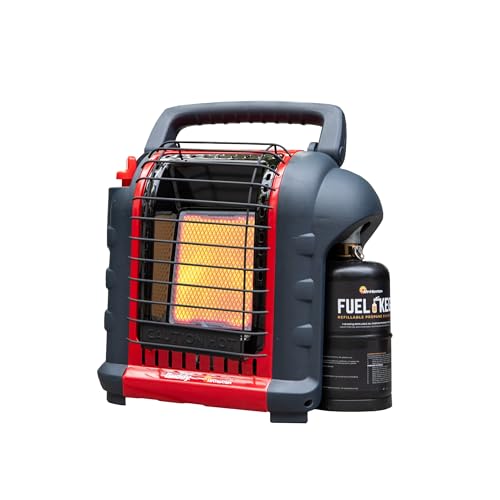
Best for: Campers willing to consider a propane-powered alternative to a battery heater. It offers radiant heat at 4,000 or 9,000 BTU per hour, is described as designed and approved for indoor and outdoor use, and is listed for areas up to approximately 225 square feet.
This option differs from the cordless models above: it uses propane rather than a battery. Its stated heat output and approximate coverage provide more specific comparison information than the battery-heater listings, which do not provide output figures.
Choose this if you want a portable radiant heater and are prepared to use propane. Limitation: it is not battery-powered. Before using any fuel-burning heater in or near a tent, follow the product manual and the tent manufacturer’s guidance, including all clearance and ventilation instructions.
HotHands Lap Warmer
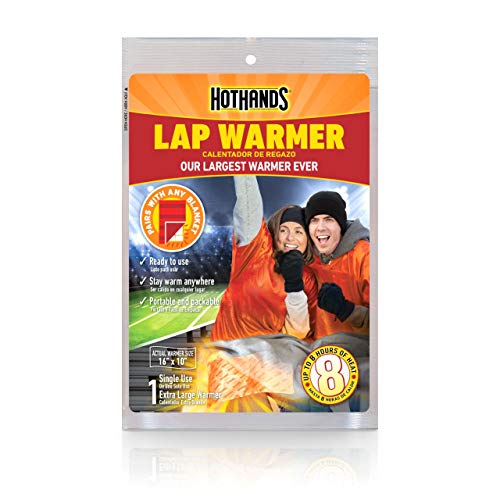
Best for: Campers who need personal warmth as a backup, rather than a heater to warm the tent. This disposable warmer measures 16 by 10 inches and is listed as providing heat for up to eight hours.
It is air-activated: remove it from the outer package and shake it, then allow 15–30 minutes for it to heat. The product information says it is odorless, single-use, and should not be applied directly to skin. If heat decreases, it advises exposing the warmer to air and shaking it.
Choose this if you want a simple, portable way to add warmth to your lap or body. Limitation: it does not heat the tent or replace a space heater. It is disposable and needs time to warm after activation.
Buying Guide: How To Choose A Camping Heater
Do you need a battery heater or a tent heater?
“Battery-powered” and “suitable for warming a tent” are not interchangeable. A battery-operated unit may provide localized warmth, but the supplied details for the wiilioe, Chiyyak, and Aopukidor do not state a heating area, output, or runtime. Check the manufacturer’s specifications and instructions to determine what each model is designed to do.
If you are considering a propane model, compare its fuel requirements and operating instructions with your camping setup. The Mr. Heater listing gives a heat output and approximate coverage, but it is not a battery-powered choice. Never assume a heater is safe inside a tent solely because it is described as portable or intended for indoor and outdoor use.
Are batteries included, and will they last through the night?
Check what the listing says about batteries, compatible models, and runtime before buying. The Chiyyak listing explicitly says its batteries are not included and identifies compatible battery models. The Aopukidor listing describes multiple lithium-battery options, but the provided information does not specify their capacities or runtime. The wiilioe listing does not clarify battery details in the supplied features.
For any battery heater, compare the manufacturer’s stated runtime at each setting with the time you expect to use it. If runtime is not published, do not assume the heater will run all night. Carrying a backup warmth option, such as suitable clothing or a personal warmer, can address comfort needs without relying on an unverified runtime.
Which features are useful when comparing models?
- Safety features: Look for clearly documented protections such as anti-tilt shutoff or overheat protection. Read the operating instructions and follow their placement requirements.
- Heat settings: Multiple settings can offer more control, but check what each setting actually does. The Chiyyak listing, for example, describes one setting as natural wind and the other as heat.
- Power accessories: A heater that requires a separate battery may involve extra equipment. USB ports may be useful, but they do not establish heating performance.
- Heat output and coverage: Compare stated output and coverage only when the manufacturer provides them. Do not infer a tent size from a product’s general camping description.
- Personal warmers: Disposable warmers can supplement clothing but will not heat the surrounding air or a tent.
What should I check before using a heater in a tent?
Read both the heater manual and the tent manufacturer’s guidance before use. Confirm that the specific heater is allowed for the intended setting, and follow all instructions for ventilation, clearances, surface placement, and supervision. Keep heaters away from fabric and other materials as directed. If the instructions do not clearly support the intended tent use, choose another way to stay warm.
Frequently Asked Questions
Can a battery-powered heater warm an entire tent?
The product details supplied for the battery-powered models do not state tent-heating coverage or heat output. Check the manufacturer’s specifications before expecting one to warm an entire tent; a listing that mentions camping does not establish coverage.
Which listed heater is definitely battery-powered?
The wiilioe, Chiyyak, and Aopukidor products are described as battery-powered. The Chiyyak listing says batteries are not included. The Mr. Heater Portable Buddy uses propane, while HotHands is a disposable air-activated warmer.
Which option provides a stated heat output?
The Mr. Heater Portable Buddy listing gives an output of 4,000 or 9,000 BTU per hour and approximate coverage of up to 225 square feet. The supplied battery-heater details do not provide comparable output figures.
Is HotHands a camping space heater?
No. HotHands is a disposable personal warmer for localized warmth. Its listed size is 16 by 10 inches, and it provides heat for up to eight hours, but it is not designed to heat a tent.
Can I use a propane heater inside a tent?
Do not assume a propane heater is appropriate for tent use. Follow the heater’s manual and the tent manufacturer’s instructions, including any restrictions, ventilation requirements, and clearance guidance. If the instructions do not clearly permit the intended use, do not use it that way.