The best fuel for a wood stove depends on the appliance: traditional wood stoves generally use properly sized firewood or fuel blocks, while pellet stoves require pellets. These five options include compressed hardwood blocks for longer fires, short kiln-dried pine sticks for compact appliances, and a pellet product specifically described for pellet stoves. Check your stove’s manual before choosing a fuel.
| Product | Best suited for | Fuel type |
|---|---|---|
| TWS 10 Compressed Hardwood Fuel Blocks | Buyers seeking compact, compressed hardwood fuel | Hardwood sawdust blocks |
| Mini Fire Stick, 2 lb | Small fires and compact wood-burning setups | Four-inch pine sticks |
| WFLUOLUO Mini Fire Sticks, 4 lb | Buyers wanting a larger supply of short kindling logs | Four-inch pine sticks |
| Lignetics Wood Pellet Fuel | Owners of wood pellet stoves | Wood pellets |
| KoleSummit Mini Firewood, 2 lb | Tabletop and compact fire pits | Four-inch pine logs |
TWS 10 Compressed Hardwood Fuel Blocks

Best for: Buyers who want compressed hardwood fuel in a packaged, block-shaped format for a compatible wood stove or fireplace. The product is described as a 10-pack made from kiln-dried hardwood sawdust, with low moisture content and no additives, binders, or toxins.
Compressed blocks can be an alternative to carrying or storing conventional split logs. Their consistent form may also be easier to stack than irregular firewood, though the listed product details do not provide block dimensions or a burn-time estimate. The manufacturer describes the blocks as eco-friendly and carbon neutral; those are product claims, not independently verified performance measurements here.
Why it was selected: It is the clearest option in this list for someone seeking hardwood fuel rather than small pine kindling. Choose it if your stove manual permits compressed sawdust logs and the block size fits the firebox.
Limitation: Confirm that your appliance allows compressed fuel blocks. The listing does not state their exact size, heat output, or burn duration.
Mini Fire Stick, 2 lb

Best for: Buyers who need short pieces of pine for a compact wood-burning setup, kindling, or a small fire. Each stick is four inches long, and the listing describes a two-pound box of natural, kiln-dried pine with moisture content below 6%.
The product is advertised as bark-free and low in sap and resin, with reduced smoke compared with the seller’s description of traditional firewood. The listing gives an estimated 20–30 minutes of burn time, but actual performance can vary with airflow, appliance design, and how the fuel is used. It also names tabletop fire pits, grills, and pizza ovens among its intended uses.
Why it was selected: Its short length and small package make it a practical choice for buyers who cannot use standard-size logs in their compact setup. Choose it if your appliance is designed for short pieces of wood.
Limitation: These small sticks are not a substitute for full-size firewood in a stove that requires larger logs. Check appliance instructions before burning pine indoors.
WFLUOLUO Mini Fire Sticks, 4 lb

Best for: Buyers who want short pine logs in a larger package than the two-pound mini-firewood options listed here. The product is described as four-inch kiln-dried pine, weighing four pounds, with a stated moisture content below 6% and a volume of 300 cubic inches.
The listing says the sticks are bark-free and intended to produce less smoke, burn cleaner, and provide more heat than wood with higher sap and resin content. These are seller descriptions; the product information does not give a measured heat output or a specific burn-time estimate. Its compact dimensions may suit small wood-burning appliances, but the stove’s permitted fuel size remains the deciding factor.
Why it was selected: It offers the same short-stick format as smaller mini-firewood products while providing a four-pound package. Choose it if your compact setup uses four-inch pieces and you want more fuel on hand.
Limitation: The short sticks may not suit a full-size wood stove firebox or a stove that requires a particular wood species or log size. Verify the manual’s fuel requirements.
Lignetics Wood Pellet Fuel

Best for: Owners of wood pellet stoves who need pellet fuel, rather than cordwood or compressed fire logs. This product is listed as a 40-pound bag of premium-quality wood pellets and is described as made in the United States.
Pellets are a distinct fuel format. A pellet stove is designed to feed and burn pellets, while a conventional wood stove is generally designed for logs or other fuels specifically approved by its manufacturer. The listing also describes the pellets as clean-handling and smokeless, but it does not provide technical emissions data or a heating value in the supplied details.
Why it was selected: It is the only option in this group explicitly identified for use with wood pellet stoves. Choose it only when your appliance is a pellet stove and its manual allows this fuel.
Limitation: Do not assume that pellets can be burned in a conventional wood stove. Confirm the appliance type and approved fuel before purchase.
KoleSummit Mini Firewood, 2 lb
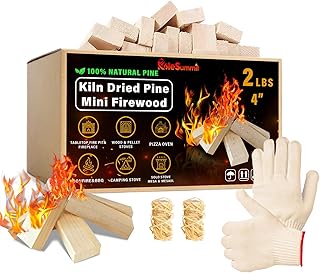
Best for: Buyers with a tabletop fire pit or another compact wood-burning setup designed for short logs. The listing describes pre-cut, four-inch pine pieces made from natural kiln-dried wood, packaged at two pounds.
Pre-cut pieces can save the step of cutting standard firewood down to fit a small fire bowl. The product is described as bark-free and suitable for compact fire pits, camp stoves, pizza ovens, and grills. It is also presented as easy to store and carry, making the format relevant to buyers with limited storage space.
Why it was selected: The product is specifically positioned for compact and tabletop setups, and its ready-cut length distinguishes it from ordinary firewood. Choose it if four-inch pine logs fit the appliance and its instructions permit pine.
Limitation: A two-pound package may be insufficient for extended heating. This product’s small-log format is not a universal replacement for full-size stove wood.
Buying Guide: How to Choose Fuel for a Wood Stove
The right fuel starts with the appliance manual, not the product label. “Wood stove” can refer to different appliances, and a pellet stove does not use fuel in the same way as a traditional log-burning stove. Use only the fuel types and sizes approved by the manufacturer.
Does your stove burn logs, blocks, or pellets?
A conventional wood stove is usually designed for pieces of firewood that fit its firebox. Some models may permit manufactured compressed logs or blocks, but approval varies. A pellet stove uses pellet fuel and a mechanical feed system; ordinary logs and mini fire sticks are not interchangeable with pellets.
Check the manual or appliance label for acceptable fuel. If the instructions do not clearly allow a specific manufactured fuel, contact the stove manufacturer or a qualified professional before using it. A product’s broad claim that it works in fireplaces or stoves does not establish compatibility with every model.
What size fuel fits the firebox?
Measure the usable firebox space and compare it with the fuel dimensions. The mini-firewood products in this guide are four inches long, so they are aimed at compact setups rather than stoves that need longer logs. The compressed hardwood blocks may offer a different shape, but their dimensions are not supplied in the product information. Confirm the measurements before ordering.
Fuel that is too large may not fit or allow proper loading. Very small pieces can burn differently from standard logs and may be less practical for sustained heating. Follow the appliance’s loading instructions and avoid overfilling the firebox.
Why does moisture content matter?
Wood with lower moisture content is generally easier to ignite than wet wood, and the product listings emphasize kiln drying and stated low moisture levels. The mini pine products list moisture content below 6%, while the compressed hardwood blocks are described as having ultra-low moisture content. Those figures come from product descriptions and do not replace independent verification.
Store fuel in a dry place and protect it from rain and ground moisture. Avoid burning painted, treated, glued, or contaminated wood unless the appliance manufacturer specifically identifies a product as approved fuel. Burning unsuitable materials can create unwanted smoke and residues.
Should you choose hardwood or pine?
Hardwood blocks may appeal to buyers looking for a compressed hardwood format, while the listed mini firewood products are made from pine and cut into short pieces. Species alone does not determine whether a fuel is suitable: moisture, piece size, appliance design, and manufacturer instructions also matter.
Do not assume that pine or any other species is appropriate for every indoor stove. Follow the manual’s fuel guidance. If your priority is longer heating, look for reliable product information about burn duration and heat output rather than relying on general claims about wood type.
How much fuel should you buy?
Package weight provides a simple starting point, but it does not reveal how long a package will last. The products here range from two-pound boxes to four-pound packages and a 10-block pack. Their formats and intended appliances differ, so comparing package size alone can be misleading.
Consider how often you plan to burn, how much storage space you have, and whether the product is for routine heating or occasional use. For regular heating, the appliance’s fuel consumption guidance and the seller’s complete specifications are more useful than a package’s name or weight alone.
What product claims should you verify?
Descriptions such as “clean-burning,” “low smoke,” “long burn,” or “carbon neutral” should be treated as seller claims unless the listing supplies supporting measurements or documentation. Compare specific details where available, including fuel type, dimensions, moisture content, package weight, and stated appliance uses.
For safe operation, keep the stove and venting system maintained according to the manual. Use the manufacturer’s instructions for lighting, loading, and cleaning. If a fuel produces unusual smoke or the stove operates differently than expected, stop using it and consult the appliance guidance.
Frequently Asked Questions
What is the best fuel for a traditional wood stove?
The best choice is fuel approved by the stove manufacturer and sized for the firebox. Many traditional wood stoves use properly prepared firewood, while some models may allow specific manufactured blocks. Check the manual before using a product.
Can I burn wood pellets in a regular wood stove?
Do not assume that a conventional wood stove can burn pellets. Pellets are intended for pellet stoves unless the manufacturer specifically approves another use. Check the appliance manual before burning them.
Are mini fire sticks suitable for heating a house?
The four-inch sticks listed here are marketed for compact setups, tabletop fire pits, and similar uses. They are not presented as standard full-size firewood. Use them in a home-heating stove only if the stove’s manual permits their size and fuel type.
Is kiln-dried wood better for starting a fire?
Kiln-dried wood has had moisture removed through a drying process, and the products here describe low moisture levels. Lower-moisture fuel is generally easier to ignite than wet wood, but proper fit and appliance approval still matter.
How do I know whether a compressed fuel block is safe for my stove?
Check the stove manual for approval of compressed sawdust logs or manufactured fire blocks. Confirm that the block dimensions fit the firebox and follow the appliance’s loading instructions. Do not rely solely on a broad product compatibility claim.
What should I check before buying wood-stove fuel?
Confirm the fuel type, allowed dimensions, moisture information, and appliance compatibility. Also consider package weight, storage needs, and whether the product is intended for a pellet stove, a traditional wood stove, or a compact fire pit.