Yes, battery-powered heaters are available, but the options listed here are low-wattage portable models or products whose battery requirements need careful checking. They are generally better suited to personal, nearby warmth than heating an entire room. The 170W models are intended for small spaces, while the five-battery model is marketed for use in places such as cars and tents. The 1500W/750W ceramic heater below is an electric alternative, not a battery heater based on its listing.
| Product | Best suited for | Key consideration |
|---|---|---|
| Cordless Space Heater, 170W | Desk or bedroom use | Battery is not included |
| FTVOGUE Cordless Space Heater | Workshop or outdoor-area use | Check battery requirements and settings before buying |
| Compact Quiet 170W Thermostat Heater | Small home-office or dorm use | Battery details are not provided |
| Takywep 1500W/750W Heater | Higher-output electric heating | Not described as battery powered |
| Five-Battery Heater | Portable use, including car or camping | Confirm what batteries are required and runtime |
Cordless Space Heater, 170W
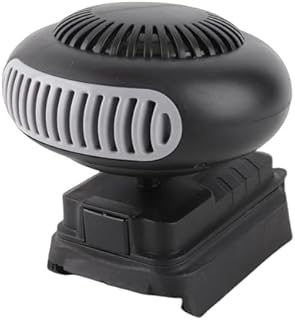
This 170W cordless space heater is listed for office desks and bedrooms and has dual temperature settings. Its 170W rating makes it a lower-power option than conventional high-wattage space heaters, so it is a better fit for localized warmth than for heating a whole room.
Best for: Someone seeking a small heater for a desk or bedroom who values portability and two heat settings. It was selected because its product name explicitly describes it as cordless and battery powered.
Important limitation: The listing says the heater is sold without a battery. Check which battery it requires and whether you already own a compatible one before purchasing. The provided product information does not specify battery runtime or heat output by setting.
FTVOGUE Cordless Space Heater

The FTVOGUE heater is described as a cordless, battery-powered portable model for workshop, factory, and outdoor use. Its listing mentions two temperature settings and a 90-degree tilt adjustment. The product name also includes the figures “30-50” and “50-80,” but the supplied information does not explain their units or exact meaning.
Best for: Buyers looking for a portable heater for a work area or outdoor setting, particularly if an adjustable tilt is useful. It stands out among these options because its listed use cases include workshops and outdoor areas.
Important limitation: The supplied product details do not identify the required battery, heating runtime, or heat output. Confirm those specifications before relying on it for extended use or cold conditions.
Compact Quiet 170W Thermostat Heater
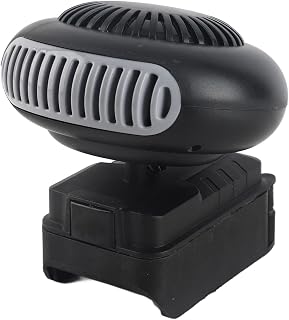
This compact 170W heater is described as quiet, thermostat-equipped, battery operated, and intended for a home office or dorm. The product name points to a small-space use case rather than whole-room heating. The thermostat is a listed feature, but the supplied information does not explain its temperature range or controls.
Best for: A buyer prioritizing a compact heater for a personal work or dorm area. It was selected because the listing explicitly describes battery operation and identifies home-office and dorm use.
Important limitation: Battery type, whether a battery is included, and expected runtime are not stated in the supplied details. Verify these points, along with the heater’s dimensions and safety information, before choosing it.
Takywep 1500W/750W Ceramic Heater

The Takywep is a portable electric ceramic space heater with 1500W and 750W settings, according to its product name. The listing also names PTC fast heating, overheat protection, and tip-over protection. Unlike the cordless products in this guide, it is not described as battery powered.
Best for: Someone who can use an electric heater and wants a higher-wattage alternative to the low-power battery models. It was selected as a useful comparison because shoppers asking about battery heaters may also be weighing conventional electric heat.
Important limitation: Do not choose this model if you specifically need battery operation. Its listed 1500W/750W settings do not establish that it can run from a battery, and the supplied information does not describe cordless use.
Five-Battery Portable Heater

This listing describes a battery-powered heater in a five-battery model, with two heat settings and an anti-tilt design. It is marketed for settings including a car, office, home, tent, and golf cart. The listed safety features include anti-tilt and overheat protection, with automatic shutoff if the heater tips over.
Best for: Buyers seeking a battery-operated option for portable settings and who want listed tilt and overheat protections. Its varied advertised use cases and two heat settings make it a relevant choice for comparing with smaller desk-focused heaters.
Important limitation: The supplied details do not identify battery type, battery capacity, operating time, or heating output. The listing claims car-window defogging and coverage up to 10 square meters, but shoppers should verify how those claims apply to their intended use. Never let a heater obstruct a driver’s view or distract from safe driving.
Buying Guide: Choosing a Battery-Powered Heater
Do battery-powered space heaters really exist?
Yes. Some portable heaters are marketed as battery powered or cordless. However, “battery powered” does not by itself tell you how much heat a heater produces or how long it runs. Check the battery type, capacity, whether a battery is included, and the manufacturer’s runtime information. The 170W cordless model listed above explicitly says it comes without a battery.
Can a battery heater warm an entire room?
Do not assume a compact battery heater can heat a whole room. The 170W products in this selection are low-wattage models compared with the 1500W/750W electric alternative. Consider a small battery heater for personal or nearby warmth, and look for clear room-size and output information if you need to heat a larger area. The product details supplied here do not establish room-heating performance for the battery models.
What should I check about the battery?
- Battery inclusion: Confirm whether the product includes a battery or requires a separate purchase.
- Battery type and compatibility: Check the exact battery specification rather than assuming a familiar battery will fit.
- Runtime: Look for operating-time estimates at each heat setting. The provided listings do not give runtime figures.
- Charging: Check how the battery is charged and whether the charger is included.
- Replacement availability: Consider whether compatible replacement batteries are accessible for your intended use.
Which type is better for a desk, workshop, or vehicle?
For desk or bedroom use, the 170W cordless model is explicitly marketed for those locations, but it requires a separate battery. The compact 170W thermostat model is listed for home offices and dorms, although its battery details are unspecified. For workshops or outdoor areas, the FTVOGUE listing names those settings and includes a 90-degree tilt adjustment. The five-battery model is marketed for cars and camping, but its battery and runtime details should be checked first.
Are battery heaters safer than plug-in heaters?
Battery operation alone does not establish that a heater is safer. Compare the specific safety features and follow the manufacturer’s instructions for placement and operation. The five-battery model lists anti-tilt and overheat protection; the Takywep electric model lists overheat and tip-over protection. These listing details are not a substitute for checking the full safety instructions for the product you choose.
When should I choose a conventional electric heater?
Choose a conventional electric heater if you have access to an appropriate power source and need an option with a higher listed wattage. The Takywep is listed with 1500W and 750W settings, but it is not presented as battery powered. Do not treat a portable electric heater as cordless unless the product specifications explicitly confirm battery operation.
Frequently Asked Questions
Are there heaters that run on batteries?
Yes. Battery-powered and cordless portable heaters are available. Check whether a battery is included, what type is required, and how long the heater runs on each setting.
How long does a battery-powered heater run?
Runtime depends on the battery and the heater’s power draw. The supplied details for these products do not provide runtime figures, so check the product specifications before buying.
Can I use a battery heater in a car?
Some products are marketed for car use, including the five-battery model in this guide. Confirm its instructions and intended use before operating it in a vehicle, and keep it from obstructing visibility or safe driving.
Is a 1500W space heater battery powered?
Not necessarily. The Takywep listing describes a 1500W/750W electric ceramic heater but does not describe it as battery powered. Wattage alone does not indicate that a heater can run on batteries.
What is the best battery heater for a small desk area?
The 170W cordless model is explicitly listed for office desks, while the compact 170W thermostat heater is marketed for home offices. Compare battery requirements first; one listing says its heater is sold without a battery, and the other’s supplied details do not specify battery inclusion.