An iron pot belly stove can provide wood- or charcoal-fired heat and, on some models, a surface for cooking. Of the products listed here, the Pot Belly Stove Cast Iron Cinder Pan is best suited to outdoor heating and cooking, while the ZAWAYINE wood-burning stove is aimed at portable or cabin-style use and includes chimney components. The other three picks are cookware or a stove humidifier, not stoves, so they are included as related options rather than substitutes.
| Product | Best suited for | What it is |
|---|---|---|
| Pot Belly Stove Cast Iron Cinder Pan | Outdoor warmth and cooking | Cast-iron wood- and charcoal-burning stove |
| ZAWAYINE Indoor Wood-Burning Heating Stove | Heating and cooking where a vented stove is appropriate | Carbon-steel stove with chimney components |
| Fire Beauty Humidifying Iron Kettle | Adding moisture near a wood stove or fireplace | Cast-iron kettle, not a stove |
| Uncoated Thick Japanese Iron Pan | Cooking on a compatible stovetop | Iron cookware, not a stove |
| Traditional Hand Forged Big Belly Iron Pot | Deep-pot cooking | Iron cookware, not a stove |
Pot Belly Stove Cast Iron Cinder Pan

This is the most direct match for a buyer searching for an iron pot belly stove. The listing describes a thick, integrated cast-iron body with a matte high-temperature coating, a fire-view window, a rotary grate, and a pull-out cinder pan. It is designed to burn firewood or charcoal and to provide outdoor warmth.
Best for: People looking for an outdoor stove that can also support basic cooking. Its flat top is described as suitable for cookware, and the listing names boiling, frying, and simmering among its uses. The window provides a view of the fire, while the cinder pan is intended to simplify ash removal.
Why it was selected: It is the listed product that most closely matches the pot belly stove search, with cast-iron construction and heating and cooking functions both specified.
Limitation: The product description presents it for outdoor use. Do not treat it as an indoor heating appliance unless the manufacturer explicitly provides instructions and approvals for that use.
ZAWAYINE Wood-Burning Heating Stove

This listing describes a thickened carbon-steel stove rather than a cast-iron pot belly stove. It includes six chimney pipes totaling 19.7 feet, two elbows, and heat-retardant mesh for the smoke pipe. The cooktop has two removable rings that create three listed opening sizes: 10.83 inches, 7.48 inches, and 4.13 inches.
Best for: Buyers comparing a heating stove that can also be used for cooking, particularly for settings such as cabins, workshops, tents, or campsites where a properly installed vented stove is suitable. The listing says its fire grates support coal, firewood, branches, and wood chips.
Why it was selected: It is the other clearly identified heating stove among the supplied products. The included chimney parts and adjustable cooktop openings are useful comparison points for a buyer evaluating stove setup and cooking needs.
Limitation: Its construction is described as carbon steel, not iron. The listing’s safety claims do not replace local fire codes, installation requirements, or instructions from the manufacturer. Confirm the complete venting setup is appropriate for the intended location.
Fire Beauty Cast-Iron Stove Humidifier
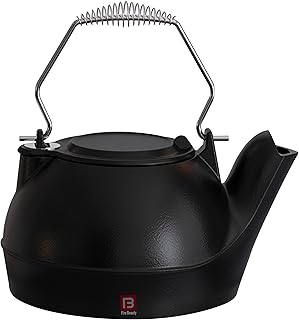
This product is a stove humidifier kettle, not a pot belly stove. The listing says it uses waste heat from wood stoves and fireplaces to produce steam without electricity. It has a solid cast-iron body and a spring chrome handle described as helping limit heat transfer when lifting the kettle.
Best for: A household that already has a suitable wood stove or fireplace and wants a power-free way to add moisture to indoor air during heating. It is a related accessory, not a heating appliance; it does not replace a stove or humidifier designed for standalone operation.
Why it was selected: Its intended use is directly connected to wood stoves, and its cast-iron construction makes it relevant to shoppers comparing stove-side iron products.
Limitation: The listing does not specify the kettle’s capacity. Follow its handling instructions and use caution around hot water, steam, and heated surfaces; a handle described as heat-blocking should not be assumed to stay cool in every situation.
Uncoated Thick Japanese Iron Pot

This is an iron cooking pot, not a stove. The product description highlights hand-forged construction, an uncoated surface, a big-belly shape, and a wooden lid. It is described for slow simmering and high-heat frying, and the listing says it can be used on electric, induction, and gas stoves.
Best for: A buyer seeking a deep iron pot for cooking on a compatible kitchen stovetop rather than a freestanding wood heater. The curved shape is presented as suitable for multiple cooking methods, while the uncoated surface distinguishes it from cookware with a synthetic nonstick coating.
Why it was selected: The name and shape may resemble a “big belly” pot, a phrase that can overlap with pot belly stove searches. Identifying it clearly as cookware helps shoppers avoid confusing a pot with a heating appliance.
Limitation: The supplied description does not give the pot’s dimensions or care instructions. Confirm the size and maintenance requirements before choosing it for a particular cooking routine.
Traditional Hand-Forged Big Belly Iron Pot
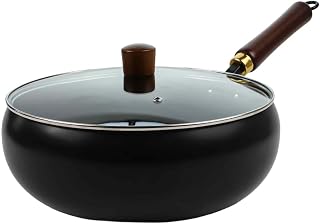
This 26.5-centimeter-deep product is described as a hand-forged iron pot with a round, deep design, thick walls, and a heavy base. It is cookware, not a pot belly stove. The listing emphasizes heat retention and says the pot is intended for use on induction stoves.
Best for: Buyers looking for a deep iron cooking vessel rather than a wood-burning heater. Its stated depth and rounded form may suit recipes that need a deeper pot, while the heavy base is a feature to consider when comparing cookware.
Why it was selected: It is another product in the supplied list with “big belly” iron-pot wording. Including it with a clear distinction helps separate cookware from actual heating stoves.
Limitation: The feature list mentions induction use but does not provide a complete list of compatible heat sources or detailed care guidance. Check the manufacturer’s instructions before using it on a specific stove.
Buying Guide: How to Choose an Iron Pot Belly Stove
Are you shopping for a stove or for an iron pot?
Start by identifying the appliance you need. A pot belly stove is a freestanding heater that burns fuel and releases heat. A big-belly iron pot is cookware used on a separate heat source. The two iron-pot products in this list are cooking vessels, while the cinder-pan model and the ZAWAYINE model are described as heating stoves.
A stove humidifier is a third category. It uses heat from an existing stove or fireplace to warm water and produce steam. It cannot provide heat by itself. Reading the product type before comparing features prevents a cookware listing or accessory from being mistaken for a complete heater.
Which fuel and location should you compare?
Check the listed fuel and intended setting before considering a stove. The cast-iron cinder-pan stove is described for firewood and charcoal and is presented for outdoor use. The ZAWAYINE model lists firewood, coal, branches, and wood chips and describes use in settings such as cabins, tents, campsites, and workshops.
Fuel options are not interchangeable across stoves. Use only fuels allowed by the manufacturer, and confirm that the appliance is suitable for the location. Outdoor-only wording is a reason not to use a stove inside. A listing that mentions indoor use is not, by itself, proof that a product meets local requirements for indoor installation.
What should you check about construction and cleanup?
Construction affects what a product is designed to offer, but material names alone do not establish performance. The cinder-pan stove is described as cast iron, while the ZAWAYINE stove is described as carbon steel. Compare the product’s full specifications, intended use, assembly requirements, and care instructions rather than assuming one material is automatically better for every buyer.
For cleanup, look for features the listing actually identifies. The cast-iron stove has a rotary grate and pull-out cinder pan, which are described as simplifying cinder removal. The ZAWAYINE listing describes internal fire grates but does not provide the same pull-out-pan detail. A buyer who prioritizes ash handling should verify the exact cleanup procedure with the manufacturer.
Does the cooktop fit the way you plan to cook?
For stove-top cooking, compare the cooking surface and opening dimensions with the cookware you intend to use. The ZAWAYINE listing specifies three opening sizes created with removable rings. The cinder-pan stove is described as having a flat top for skillets, kettles, and cookware, but no dimensions are supplied in the product information here.
Do not assume that every pot will fit every stove. Check the stove’s measurements, the cookware base size, and the manufacturer’s placement guidance. If you are buying cookware rather than a stove, confirm the cookware’s stated heat-source compatibility separately; the two big-belly pots have different feature descriptions.
What safety details matter before installation?
Wood- and charcoal-burning appliances involve fire, hot surfaces, combustion gases, and smoke. Follow the manufacturer’s installation and operating instructions, applicable local building and fire codes, and requirements for clearances and venting. Have the installation assessed by a qualified professional when needed, especially for indoor or enclosed-space use.
Do not rely on a product listing’s general safety language as confirmation that a stove is approved for a particular building, tent, or room. Verify the model’s documentation and required chimney setup. Keep combustible materials away as instructed, and use appropriate carbon-monoxide and smoke alarms wherever required. Never operate a stove in a location that its instructions do not permit.
How should buyers compare accessories and cookware?
If you already own a wood stove, the Fire Beauty kettle may be relevant because it is designed to use stove or fireplace heat for power-free humidification. It is not a substitute for a stove, and its listed capacity is not provided. For cooking, choose between the two iron pots based on the specific dimensions, heat-source compatibility, and care information confirmed by the seller.
Frequently Asked Questions
What is an iron pot belly stove?
It is a freestanding stove with a rounded, pot-like body, typically used to burn fuel for heat. Some models also have a cooktop. Confirm the materials, fuel types, and intended setting for each specific product.
Which product listed here is the closest match to an iron pot belly stove?
The Pot Belly Stove Cast Iron Cinder Pan is the closest match because its listing describes an integrated cast-iron stove for firewood and charcoal, with outdoor heating and cooking functions.
Can the listed cast-iron stove be used indoors?
The cinder-pan stove is presented as an outdoor appliance in the supplied description. Do not use it indoors unless the manufacturer explicitly provides appropriate indoor-use instructions and the installation meets local requirements.
Is the ZAWAYINE stove made of iron?
The supplied description identifies its construction as carbon steel, not cast iron. It is a wood-burning heating and cooking stove with chimney components and a cooktop with removable rings.
Are the big-belly iron pots heating stoves?
No. The Uncoated Thick Japanese Iron Pot and the Traditional Hand-Forged Big Belly Iron Pot are cookware. They need a separate heat source and should not be confused with a freestanding pot belly heater.
What is a stove humidifier kettle used for?
The Fire Beauty kettle is designed to use heat from a wood stove or fireplace to produce steam without electricity. It is an accessory for an existing heat source, not a stove or a standalone heater.