The best gas boiler for heating depends on your home’s calculated heat demand and whether you want one appliance to provide domestic hot water as well. These Rinnai I-Series Plus options include combi boilers rated from 60,000 to 199,000 BTU and solo-heating models. The 60k combi is best for buyers considering a lower-output combination unit, while the 150k combi offers a higher stated output. Choose a solo boiler when space heating is the priority and a separate hot-water system is planned. Confirm sizing, fuel, and installation requirements with a qualified HVAC professional.
| Product | Type | Listed output | Best suited to |
|---|---|---|---|
| Rinnai IP060160C | Combi | 60,000 BTU | Buyers considering a lower-output unit with hot water |
| Rinnai IP090199C | Combi | 90,000 BTU | Buyers seeking a mid-output combi option |
| Rinnai IP150199C | Combi | 150,000 BTU | Buyers comparing a higher-output combi boiler |
| Rinnai IP199199C | Combi | 199,000 BTU | Buyers needing to evaluate the highest listed output here |
| Rinnai IP060S | Solo heat | 60,000 BTU | Buyers who want a heating-only boiler |
Rinnai IP060160C 60k Combi Boiler

Best for: Buyers comparing a lower-output combi boiler that combines space heating and domestic hot water. Its stated 60,000 BTU output makes it the lowest-output combi option among the products in this guide; that does not determine whether it suits a particular home.
The product listing describes natural gas or propane operation, liquid heating, and a 96% AFUE rating. It also identifies Smart Sense gas-valve technology for energy management. A combi design can consolidate heating and hot-water functions in one appliance, which may appeal to households planning a system around a single unit.
Why it was selected: It gives buyers a lower-output combi choice to compare with the 90k, 150k, and 199k models. Limitation: The listing does not provide enough information to determine a home’s heating load or the unit’s hot-water delivery under a specific household’s peak demand.
Rinnai IP090199C 90k Combi Boiler
Best for: Buyers who want a combi appliance and are comparing an output between the 60k and 150k models featured here. The listing states a 90,000 BTU capacity and describes the unit as suitable for residential or commercial use.
This condensing boiler is listed for natural gas or propane and provides both space heating and hot water. Rinnai lists a 96% AFUE rating and Smart Sense gas-valve technology. Those specifications offer useful points for comparing it with other models, but they do not replace a heat-loss calculation or a review of hot-water needs.
Why it was selected: The 90k model adds a middle output option for buyers comparing combi boilers, rather than choosing only between the smallest and largest options. Limitation: The available product details do not state a home size that this boiler can reliably heat or provide a specific hot-water flow rate.
Rinnai IP150199C 150k Combi Boiler
Best for: Buyers seeking a higher stated output in a combi boiler that provides home heating and hot water. Its 150,000 BTU rating is higher than the 60k and 90k combi options in this comparison.
The listing describes natural gas or propane fuel, liquid heating, and a 96% AFUE rating. Smart Sense gas-valve technology is included for managing energy use. The combination format may suit a system plan in which one appliance handles both space heating and domestic hot water.
Why it was selected: It presents a clear step up in listed output for buyers comparing the Rinnai combi range. Limitation: A higher BTU rating is not automatically a better match; an oversized or undersized boiler can be an unsuitable choice. Have a professional calculate the home’s heating demand and assess hot-water requirements before selecting a model.
Rinnai IP199199C 199k Combi Boiler
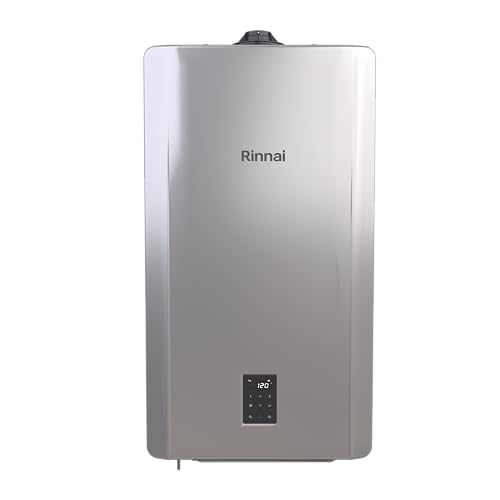
Best for: Buyers evaluating the highest listed output among the products in this guide while seeking both space heating and hot water from one appliance. The product name lists a 199,000 BTU rating.
Product details identify natural gas or propane operation, condensing technology, and a 96% AFUE rating. Smart Sense gas-valve technology is also listed. The combi format is the central distinction: the boiler is presented as a combined source for home heating and domestic hot water.
Why it was selected: It lets buyers compare a high-output combi option against models rated at 60k, 90k, and 150k BTU. Limitation: The listing does not establish that this output is appropriate for any particular property. Confirm required capacity, fuel supply, and installation conditions with a qualified installer before purchase.
Rinnai IP060S 60k Solo Heat Boiler
Best for: Buyers looking specifically for a solo-heating boiler rather than a combi unit. The product is listed at 60,000 BTU and is described as a natural-gas or propane model for residential heating.
The product details cite a 96% AFUE rating and smart-home integration. They also describe compatibility with natural gas or propane. A solo boiler is a better category to compare when domestic hot water will be handled separately; confirm the complete system design with an installer.
Why it was selected: It provides a heating-only comparison alongside the combi models, helping buyers distinguish appliance type as well as output. Limitation: This is not listed as a combi boiler, so buyers seeking one appliance for both space heating and hot water should compare the combi products instead.
Buying Guide: How To Choose A Gas Boiler For Heating
A gas boiler should be chosen by matching the appliance to the building and the complete heating system—not by selecting the largest BTU number. The products here are all Rinnai I-Series Plus models, but they differ in stated output and in whether they are combi or solo-heat boilers. Use the questions below to organize a comparison with a licensed HVAC professional.
Do you need a combi boiler or a solo boiler?
A combi boiler is designed to provide space heating and domestic hot water in one appliance. It may suit a project where combining those functions is part of the system plan. A solo boiler is listed for space heating; household hot water must be addressed separately in the system design. Consider existing equipment, available space, household hot-water use, and the installer’s assessment before choosing between the two types.
How much boiler output does your home need?
Ask for a heat-loss calculation rather than relying on square footage alone. Insulation, air leakage, windows, climate, building layout, and the design temperature all affect heating demand. The listed outputs in this comparison range from 60,000 BTU for the smaller models to 199,000 BTU for the highest-output combi. These figures help compare products, but they do not independently identify the right capacity for a particular house.
For a combi boiler, also ask the installer to evaluate domestic hot-water demand. The space-heating capacity and hot-water performance are different considerations. The product information provided here does not include a specific flow rate or detailed household-use limits, so request complete manufacturer specifications for the model under consideration.
Which fuel does the property use?
The listed combi boilers are described as operating with natural gas or propane, and the 60k solo model is also described as supporting both. Confirm the exact model configuration and fuel availability before ordering. A home’s fuel line, meter or tank, and existing appliance setup may affect what installation work is required. Do not assume that switching fuel is a simple adjustment; have a qualified professional verify the equipment and installation plan.
What does the AFUE rating tell you?
AFUE, or annual fuel utilization efficiency, is a rating used to describe how efficiently a boiler converts fuel into heat over a standardized period. The listed combi models and the IP060S are described as having 96% AFUE. Use the stated figure as one comparison point, not a promise of a particular utility-bill reduction. Actual energy use depends on the building, controls, system setup, weather, and household operation.
What should you confirm about the installation?
Ask a qualified installer to confirm venting, condensate management, gas supply, piping, electrical needs, controls, and local code requirements for the exact model. The IP120S product details mention 2-inch venting capability and Bluetooth connectivity, but those features are not stated for every boiler in this comparison. Check the complete manufacturer documentation rather than assuming that one model’s installation features apply to another.
Also check that the boiler is compatible with the home’s existing heat distribution system and the planned control arrangement. Radiant floor heating and hydronic radiators, for example, may have different design needs. The supplied listings describe liquid heating but do not provide enough details to confirm a particular system configuration.
How should you compare the models?
- Compare appliance type first: Choose between a combi unit and a solo-heating boiler based on how domestic hot water will be supplied.
- Compare listed output next: Review the 60k, 90k, 150k, and 199k combi choices alongside the 60k solo model, then use a professional load calculation to narrow the selection.
- Verify the full specifications: Request model-specific information on hot-water performance, venting, controls, and installation requirements.
- Plan for service access: Ask the installer what routine maintenance the chosen system requires and how it will be accessed after installation.
- Confirm fuel and local requirements: Check the exact fuel configuration and applicable permitting or code requirements before purchase.
Frequently Asked Questions
What is the difference between a combi boiler and a solo boiler?
A combi boiler is designed to provide both space heating and domestic hot water. A solo boiler is intended for heating and requires a separate plan for household hot water.
Is a 96% AFUE gas boiler guaranteed to lower energy bills?
No. AFUE is an efficiency rating, not a guarantee of bill savings. Actual fuel use depends on the home, weather, system design, controls, and usage.
How do I know what BTU output my home needs?
Have a qualified HVAC professional calculate the home’s heat loss and review hot-water demand if you are considering a combi boiler. Do not choose solely by home size or by selecting the highest output.
Can these boilers use propane?
The supplied product details describe the featured combi models and the IP060S as supporting natural gas or propane. Confirm the exact model configuration and installation requirements with the seller and installer.
Does a combi boiler provide unlimited hot water?
The listings describe combined heating and hot-water functions but do not establish unlimited delivery. Ask for the manufacturer’s model-specific hot-water performance information and compare it with the household’s expected demand.
Can I install a gas boiler myself?
Gas-boiler installation involves fuel, venting, hydronic, and code considerations. Have a qualified professional verify the equipment and installation plan, and follow local requirements.