If you’re facing a blackout, you need a reliable heat source that operates without electricity or with minimal setup. This guide highlights five top indoor heaters suited for power outages, including propane, kerosene, and non-electric options. Each product is best for different spaces and scenarios, from compact rooms to emergency camping needs. Use this overview to compare how much space each model can heat, what fuels they require, and where they excel during outages.
Buyer quick reference: the following table summarizes the core strengths of each selected heater to help you decide at a glance.
| Product | Best For | Fuel Type | Prime Use |
|---|---|---|---|
| Mr. Heater 9,000 BTU Portable Buddy | Small living areas or tents | Propane | Emergency heat, portable |
| Comfort Glow KW-24J Kerosene Heater | Medium rooms, no electricity | Kerosene | Long runtimes, 360° heat |
| Mr. Heater 3,800 BTU Little Buddy | Compact spaces | Propane | Low-output supplemental heat |
| Country Living Infrared Electric Fireplace | Living rooms with electric backup | Electric | Ambient heat, style |
| Kerosene 9000 BTU Non-Electric Stove | Power outages, camping | Kerosene | Cooking + heating |
Mr. Heater 9,000 BTU Portable Buddy Radiant Propane Heater

This compact unit delivers 4,000 or 9,000 BTU/hr radiant heat, suitable for spaces up to about 225 square feet. It is designed for both indoor and outdoor use, making it versatile for garages, workshops, or storm shelters during outages. Best for small living areas where a quick, focused heat boost is needed without electricity. A potential limitation is the need for a propane fuel source and proper ventilation to avoid indoor buildup.
Comfort Glow Indoor Kerosene Convection Heater, 23,800 BTUs

This kerosene convection heater provides up to 1,000 square feet of warmth with a 360-degree heating radius, making it ideal for larger rooms during power outages. It doesn’t require electricity, and uses a battery-powered ignition with a pin-type wick for reliability. Runs up to 12 hours on a full 1.9-gallon tank, which helps reduce refueling during extended outages. Best for spaces that need steady, all-around warmth without relying on electrical power. A consideration is that kerosene storage and handling require careful safety practices.
Mr. Heater 3,800 BTU Little Buddy Portable Radiant Propane Heater
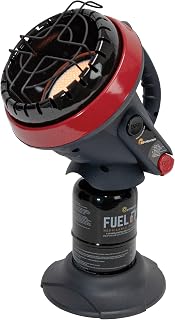
This small propane heater delivers 3,800 BTU per hour and heats up to about 95 sq ft. It’s best for very compact spaces, quick spot heating, or supplementary warmth in a blackout. It is portable and easy to deploy in tight areas. The lower heat output means it’s less suited for larger rooms during extended outages. Choose this if you need a highly portable option for tiny rooms or tents.
Country Living Infrared Freestanding Electric Fireplace Stove Heater

This electric fireplace stove offers infrared heat with multiple flame color options for ambiance. It’s designed as an aesthetically pleasing centerpiece that also provides room warmth. Best for outages where electricity remains available but a secondary heat source is desired for pattern, lighting, or aesthetic effects. It relies on electric power, so use it in conjunction with a generator or during partial outages if electrical service is intermittent. A note: not a primary heat source in prolonged outages.
Kerosene Heater for Indoor Use – Non-Electric 9000 BTU

This 9000 BTU kerosene stove doubles as a cooking surface, delivering strong radiant heat for rooms up to around 15 m². It runs without electricity and provides a long runtime with a 4.5-liter tank, offering 16–21 hours of continuous heat per fill. Best for power outages when both heating and cooking capabilities are needed. The no-electricity requirement makes it a robust option, but ensure safe operation in well-ventilated areas to avoid fumes and fuel storage concerns.
Buying Guide
What to consider when choosing an indoor heater for outages
- Fuel availability and safety: Propane and kerosene offer good heat, but require proper storage, ventilation, and safe usage in living spaces.
- Room size and heating capacity: Match BTU ratings to the square footage you intend to heat. Larger spaces need higher output or multiple units.
- Power independence: If outages are frequent, prioritize non-electric or fuel-assisted options that do not rely on the electrical grid.
- Portability vs. permanence: Small, portable units are great for tents or bedrooms, while larger units better serve living rooms or workshops.
- Ventilation and carbon monoxide safety: Always operate fuel-burning heaters with adequate ventilation and, where appropriate, CO detectors.
- Multi-use features: Some kerosene heaters offer cooking surfaces or long runtimes, which can be advantageous during extended outages.
Frequently Asked Questions
- What type of heater is best for power outages?
– Non-electric kerosene or propane heaters that fit the space and ventilation needs are typically best for outages requiring reliable heat without electricity. - Can I use electric fireplaces during a blackout?
– Yes, but only if you have an alternate power source, like a generator, since they require electricity to operate. - What should I consider for safety?
– Ensure proper ventilation, use CO detectors, follow fuel storage guidelines, and keep combustibles away from heat sources. - How many BTUs do I need for a room?
– A rough guide: 20 BTU per square foot for well-insulated spaces; higher BTU for drafty or larger rooms. Calculate based on your space and climate. - Is it better to choose a portable heater or a stationary unit?
– Portable units offer flexibility for different rooms and setups, while stationary units can provide steadier heat for a single area during outages.