Answering the common need for reliable 20 amp line voltage thermostats, this guide presents options suited for different home setups, from basic non-programmable models to Wi-Fi enabled smart thermostats. The top picks target buyers ranging from simple replacement needs to those seeking energy-saving scheduling. This article helps you compare features, installation style, and suitability for various heating systems. The following table highlights key options to consider at a glance.
| Product | Type | Best For | Notes |
|---|---|---|---|
| Honeywell TL7235A1003 | Non-programmable digital | Simple control, consistent heat | Electronic temperature control, backlight, low noise |
| Legacy TH5 | Line voltage assembly | Classic wiring, flexible outlet options | 120V cord plugs included |
| Honeywell TL8230A1003 | 7-day programmable | Scheduled comfort, energy savings | Electronic control, quiet operation |
| Stelpro SWT2F | Double-pole line voltage | Maximum safety, complete shutoff | Up to 22A, 120–277V |
| Mysa Smart Thermostat LITE | Wi-Fi programmable | Smart home control, 7-day scheduling | Supports HomeKit, Alexa, Google |
Honeywell TL7235A1003 Line Volt Pro Non-Programmable Digital Thermostat

Best for straightforward control and reliable heat for fixed schedules. This 240-volt thermostat focuses on precise electronic temperature control with simple day-to-day use. It features an on-demand backlight for legibility in dim conditions and a heating indicator for quick status checks. It operates quietly, reducing typical thermostat noise in living spaces.
Who it’s best for: homeowners wanting a dependable, non-programmable option with clear readouts and minimal fuss. Why selected: robust electronic control and user-friendly backlight support for visibility in all lighting. Limitation: lacks scheduling or remote access capabilities.
Legacy TH5 Line Voltage Thermostat Assembly

Best for wiring flexibility and simple installations. This assembly supports 120V with a 3-prong plug-in experience, enabling easy upgrades without rewiring. It allows heating or cooling by changing the terminal connection, offering a straightforward approach for single-zone setups.
Who it’s best for: homes needing quick replacement with familiar 120V plug-in style. Why selected: practical plug-in option and dual-mode capability through wiring. Limitation: 120V/15A, not ideal for higher amp bases or multi-zone systems.
Honeywell TL8230A1003 Electric Heat Digital 7 Day Programmable Thermostat
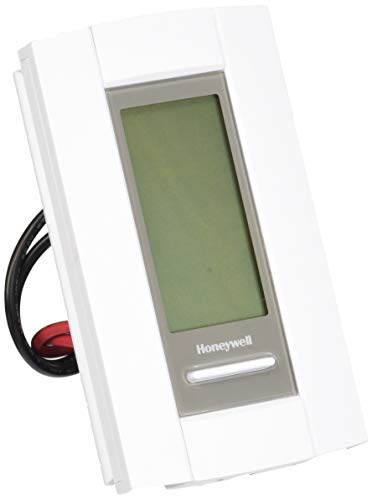
Best for weekly scheduling and enhanced energy control. This 7-day programmable thermostat offers the ability to maintain a chosen heat profile with up to 20% energy savings. It features a precise electronic temperature control for improved heating efficiency and reduced noise compared with traditional line-voltage models.
Who it’s best for: busy households seeking automated schedules and consistent comfort. Why selected: clear programming with a wide weekly range and quiet operation. Limitation: requires setup of daily programs and is not a smart thermostat with remote access.
Stelpro Double-Pole Line Voltage Mechanical Thermostat SWT2F

Best for greater safety and complete shutoff. This double-pole thermostat is designed for 120–277V systems and up to 22A, making it suitable for larger electric heating installations. The dial provides precise temperature adjustments within a 50–90°F range. It’s ideal where full disconnection is preferred in colder climates.
Who it’s best for: users needing full electrical isolation and compatibility with a wide voltage range. Why selected: robust safety feature with true double-pole disconnection. Limitation: mechanical dial requires manual operation and does not offer programmable scheduling.
Mysa Smart Thermostat LITE for Electric Baseboard Heaters
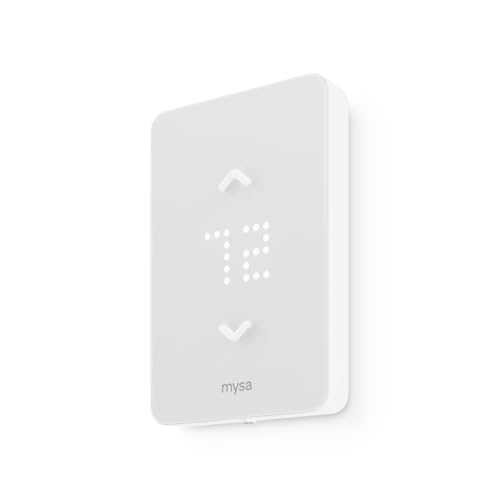
Best for smart home integration and remote control. The Mysa Smart Thermostat LITE supports 120V–240V and works with WiFi for remote scheduling and control. It offers up to 26% potential savings through in-app scheduling, with the added benefit of voice assistant compatibility (HomeKit, Alexa, Google).
Who it’s best for: tech-savvy buyers seeking remote access and routine optimization. Why selected: strong energy-saving features and wide ecosystem compatibility. Limitation: requires WiFi and mobile app to access full capabilities; no internal battery backup mentioned in product data.
Stelpro Single Pole Line Voltage Mechanical Thermostat SWT1F

Best for simpler, single-pole control. This 240-volt mechanical thermostat is compatible with heating products such as electric baseboards and wall heaters. The two-wire connection simplifies installation, and the 50–90°F range allows for precise ambient comfort control.
Who it’s best for: users needing a straightforward, budget-friendly mechanical option. Why selected: easy 2-wire setup and broad compatibility. Limitation: single-pole design means not fully disconnecting power when off, which can be a safety consideration in some installations.
Lux ELV4 Line Voltage Programmable Thermostat

Best for four daily programming windows and clear on-screen scheduling. The Lux ELV4 supports line voltage control for 1 heat and is UL approved. It offers a temporary override to adjust settings quickly, which is useful for shifts in daily routines.
Who it’s best for: households needing a programmable option with straightforward daily scheduling. Why selected: practical four-program-per-day features and override capability. Limitation: not suitable for mixed loads with inductive elements or blower-driven systems.
Buying Guide
- What type of control do you want? Non-programmable, programmable, or smart (WiFi) control affect how you manage heat and energy use.
- What electrical system do you have? Confirm voltage (120V vs 240V) and current rating (amps) to ensure compatibility with your heater and circuit.
- Single-pole vs double-pole: Single-pole switches only part of the circuit on/off; double-pole fully disconnects power for safety and efficiency in colder climates.
- Installation and wiring: Some units are plug-in or 2-wire, while others require hard-wiring. Choose based on your wiring skills or hire a pro.
- Programmability and scheduling: For energy savings, select a model with programmable schedules or smart scheduling that matches your daily routine.
- Smart features: If you want remote access, voice control, and energy insights, prefer a WiFi-enabled model compatible with your ecosystem (HomeKit, Alexa, Google).
- Safety and compatibility: Ensure the thermostat supports your heater type and any required safety features like full power disconnection or overheating protections.
FAQ
Are line voltage thermostats easier to install than low-voltage models?
Line voltage thermostats typically connect directly to the heater’s wiring and can be straightforward for wired installs, but they may require more careful electrical work than low-voltage models.
Can I use a programmable line voltage thermostat with any baseboard heater?
Most are designed for electric baseboard and similar base-load heaters. Verify voltage and current ratings match your heater’s requirements.
Is a double-pole thermostat safer than a single-pole one?
Yes, a double-pole thermostat fully disconnects power in both live conductors, reducing potential shock risk and improving energy efficiency in some setups.
Do smart line voltage thermostats require a hub?
Most do not require a hub; they connect directly to WiFi and are controlled via a smartphone app. Some ecosystems may offer limited features without a hub.
Will a 240V thermostat work with a 120V system?
No. Always match the thermostat’s voltage rating (120V or 240V) to your heating system’s supply voltage to ensure proper operation and safety.
What maintenance is needed for line voltage thermostats?
Regularly inspect connections for heat or wear, keep the unit free of dust, and replace units if they show signs of overheating or malfunction.