Answer: When you need rapid, high-capacity heating for garages, workshops, barns, or outdoor pools, a 400,000 BTU heater is often the right choice. This guide highlights five options that balance output, efficiency, and practical use. Best for large spaces include permanent gas heaters for indoor spaces, portable units for temporary setups, and pool heaters designed for high-demand pools. Below is a quick summary of the top picks to help you compare at a glance.
| Product | Best For | Notes |
|---|---|---|
| Mr. Heater 400,000 BTU Big Maxx Natural Gas | Large indoor spaces | High output, good efficiency |
| Mr. Heater 400,000 BTU Portable Forced Air | Temporary or mobile heating | Propane; portable |
| Hayward H-Series 400,000 BTU Pool Heater | Large inground pools | Pool-specific features |
| Mr. Heater 50,000 BTU Unit | Garage/workshop spaces | Lower BTU for smaller zones |
| Mr. Heater 125,000 BTU Unit | Moderate zones | Slower heat rise, versatile |
Mr. Heater 400,000 BTU Big Maxx Natural Gas Forced-Air Unit Heater
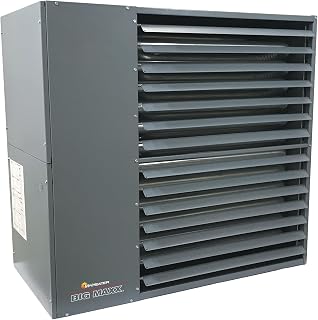
What it is best for: large indoor spaces such as garages, barns, and shops needing sustained heat. Reason for selection: 400,000 BTU output and 82% thermal efficiency support robust heating for big volumes. Caution: ensure proper ventilation and installation per local codes, as with any gas-fired heater.
Key features: 400,000 BTU heat output; heats up to 13,400 sq ft; 82% thermal efficiency. Best for: permanent heating installations where consistent climate control matters. Better for: spaces with dedicated gas lines and professional installation. Avoid if: you require portable operation or very small spaces.
Mr. Heater 400,000 BTU Portable Forced Air Propane Heater

What it is best for: temporary or mobile heating setups, such as construction sites or seasonal workspaces. Reason for selection: dual 250,000–400,000 BTU range provides flexible heat output; propane-powered for easy refueling. Caution: propane availability and outdoor use requirements should be checked for your region.
Key features: 250,000–400,000 BTU per hour; propane gas; heats up to 10,000 sq ft. Best for: mobile heating where outlets or gas lines are limited. Better for: short-term or temporary zones. Choose this if: you need portability and a broad heat range.
Hayward H-Series Propane Pool Heater 400,000 BTU

What it is best for: heating large inground pools or spas with propane gas. Reason for selection: designed for pool applications, with a modern heat exchanger and corrosion protection. Caution: pool heating requires plumbing and specific install considerations; ensure compatibility with pool size and circulation system.
Key features: front control panel; digital LED display; supports up to 1,200 sq ft pool/spa coverage; corrosion protection. Best for: pool owners seeking reliable water heating with easy monitoring. Better for: continuous pool heating with energy-conscious design. Choose this if: you maintain an in-ground pool and want integrated temperature control.
Mr. Heater 50,000 BTU Forced-Air Unit Heater

What it is best for: smaller garages and workshops where moderate heating is adequate. Reason for selection: ceiling-mounted design helps save floor space while delivering steady heat. Caution: capacity is lower than 400,000 BTU models, so select where the space heat load is limited.
Key features: 50,000 BTU; ceiling-mounted; works with standard thermostats (sold separately). Best for: smaller zones or retrofit installations. Better for: spaces where a compact, integrated heater is preferred. Choose this if: you do not require very high heat output but want reliable warmth in a compact area.
Mr. Heater 125,000 BTU Forced-Air Unit

What it is best for: medium-sized spaces requiring steady heat with electric ignition and modular options. Reason for selection: versatile unit with electronic ignition and liquid propane conversion included. Caution: BTU rating is lower than the top end; plan around your specific heating load.
Key features: electronic ignition; powered exhaust; liquid propane conversion included. Best for: spaces where a mid-range heater is sufficient and easy conversion between fuels is helpful. Better for: paired use with existing gas lines and simple installation. Choose this if: you want a mid-range heater with robust features.
Buying Guide
What size space do you need to heat? Estimate square footage and ceiling height to determine BTU requirements. For large, open areas, consider models with 400,000 BTU output or higher, but ensure proper ducting or air distribution.
Gas type and fuel availability matter. Decide between natural gas and propane based on your fuel line access and outdoor use. Portable units offer flexibility, while fixed units favor long-term installations.
Ventilation and safety are essential. Gas heaters require adequate ventilation and adherence to local codes. Ensure proper clearance around the heater and proper exhaust routing.
Installation considerations. Permanent units need professional installation and possibly venting. Portable units should be placed on stable, non-flammable surfaces and used outdoors or in well-ventilated areas.
Control and compatibility. Look for units that support existing thermostats or offer simple front-panel controls. For pools, ensure compatibility with pool plumbing and flow rates.
FAQ
- What does 400,000 BTU mean for heating capacity? It represents the heat output the unit can deliver, affecting the size of space it can heat effectively.
- Is a 400,000 BTU heater suitable for a standard garage? It depends on the garage size; large spaces or open layouts benefit most from high-BTU units.
- Should I choose natural gas or propane? Natural gas is often cheaper and permanently installed; propane offers portability and outdoor use.
- Are these heaters safe for indoor use? They require proper ventilation and installation per manufacturer and local code requirements.
- Do pool heaters with 400,000 BTU work for all pools? They are best suited for larger inground pools; confirm compatibility with pool size and plumbing.
- What maintenance is needed? Regular inspection of venting, fuel lines, and controls helps ensure safe operation and efficiency.