Answering your search for reliable gas-fired water heating, this guide highlights top 50-gallon and gas-enabled options suited for busy households. Ideal buyers include larger families needing steady hot water, homes with multiple bathrooms, and spaces where gas-powered reliability matters. The selections cover traditional 50-gallon gas models and compatible gas-powered systems (including tankless options) to help you compare based on installation type, efficiency, and output. Below is a quick reference to the featured products with key distinctions to match your needs.
| Product | Type | Best For | Why It Stands Out |
|---|---|---|---|
| A.O. Smith GPVX-50L ProMax SL | Gas Storage | Medium-to-large homes | Durable corrosion resistance and flexible venting options |
| Ranein Natural Gas Tankless | Gas Tankless | Space-saving setups | On-demand hot water with compact footprint |
| Rheem RTG Series 7.0 GPM | Gas Tankless | Smaller homes or point-of-use zones | Efficient, continuous hot water for 2-3 showers |
| Rheem RTG Series 8.4 GPM Outdoor | Gas Tankless | Outdoor installations | Outdoor-safe, high flow with venting considerations |
| MIZUDO Natural Gas Tankless | Gas Tankless | Busy households | High input for simultaneous uses with precise temp control |
A. O. Smith GPVX-50L ProMax SL Gas Water Heater
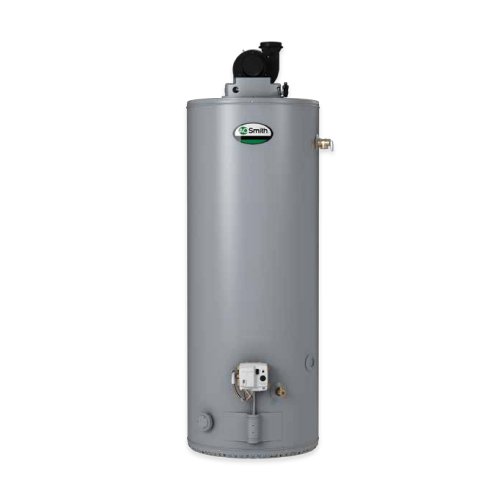
The GPVX-50L ProMax SL is a 50-gallon gas storage heater designed for steady hot water in medium-to-large homes. Key features include Blue Diamond glass coating for enhanced corrosion resistance and a 3-position rotatable blower outlet for flexible venting. This model supports combined horizontal and vertical vent runs up to 180 equivalent feet with 4-inch venting, which helps accommodate varied installation layouts. Best for buyers prioritizing durability, flexible venting, and reliable tank storage capacity. A potential limitation is that installation may require professional venting adjustments for optimal performance.
Ranein Natural Gas Tankless Water Heater

Ranein’s natural gas tankless unit provides on-demand hot water with a compact footprint. It emphasizes safety features such as a robust blower system and automatic speed adjustments to handle changing wind conditions and water temperature. It’s best for buyers seeking space-saving gas heat with unlimited hot water on demand. A limitation to note is that installation may require careful venting planning, particularly in smaller or vent-constrained setups.
Rheem RTG Series 7.0 GPM Natural Gas Tankless

This indoor tankless option delivers about 7.0 GPM at a 35°F temperature rise, making it suitable for households with moderate hot water demand. It emphasizes energy efficiency with a 0.82 UEF, which can contribute to lower energy costs compared with traditional electric tanks. It’s best for homes needing reliable hot water without a bulky storage tank. A caveat is that flow rates can drop with lower incoming water temperatures or simultaneous uses, so plan for peak demand accordingly.
MRCOOL Electric Tank Water Heater

Note: This selection is electric, not gas. It’s included for comparative purposes to illustrate alternative 50-gallon options when gas supply is limited or for hybrid needs. It features dual 4500W elements for faster recovery and improved reliability in households primarily configured for electric heating. Best for comparison to gas units when evaluating total energy costs. It’s less relevant for gas-focused buyers but helps contrast fuel-type choices.
Rheem PROE50 Electric Tank Water Heater

Another electric model included for comparison, the PROE50 offers a 50-gallon capacity in a compact footprint with an automatic thermostat and an anode rod. Best for buyers evaluating electric alternatives to gas or upgrading an existing electric system. A limitation is that it relies on electricity rather than gas, affecting operating costs and energy efficiency in fuel-based comparisons.
Buying Guide
What type of gas water heater fits your home?
Choose a gas storage model for consistent supply and simpler recovery after high demand. Tankless gas heat can save space and provide on-demand hot water but may require larger gas lines and venting considerations. Outdoor or indoor tankless units offer installation flexibility depending on your home’s layout.
Ventilation and installation considerations
Gas units require proper venting. If your home has existing venting, compatibility is crucial. Some models support multiple venting options and flexible routing; others demand specific configurations. Professional installation is often necessary to ensure safety and code compliance.
Energy efficiency and operating costs
Gas units typically show efficiency through recovery rate and therms usage. Tankless gas systems provide on-demand heating, reducing standby losses. Compare Uniform Energy Factor (UEF) and monthly energy expectations when evaluating long-term operating costs.
Capacity and household needs
For families of 3–5 with 2–3 bathrooms, a 50-gallon storage model is common. Tankless gas units vary by flow rate (GPM) and simultaneous use. Assess peak water draw (showers, baths, laundry) to select a unit with adequate flow without oversized capacity causing unnecessary upfront costs.
Space and installation location
Storage models require space for the tank, while tankless units save floor space but may involve more complex installation. Outdoor models need weather protection and applicable clearance; indoor models demand venting and structural support.
Frequently Asked Questions
- Do I need a 50-gallon tank for a large family? Not always. It depends on peak hot-water needs. A 50-gallon system provides a steady supply and can be paired with efficient plumbing to minimize cold water sandwiches.
- Are gas tankless heaters better than storage tanks? Tankless gas units offer on-demand hot water and space savings, but may require higher upfront costs and precise venting. Storage tanks provide immediate capacity and simpler setup.
- What affects gas water heater efficiency? Venting design, heat exchangers, recovery rate, and standby heat loss all influence efficiency. Tankless models typically reduce standby losses compared to tanks.
- Is professional installation required? Yes, especially for gas and venting requirements. Local codes and safe venting practices necessitate qualified installers.
- How do I choose between indoor and outdoor gas heaters? Indoor units need venting and space; outdoor units simplify venting but require weather considerations and protective enclosures if needed.
- Can a tankless heater supply unlimited hot water? Tankless systems provide continuous hot water as long as the flow demand stays within the unit’s capacity. Extremely high simultaneous demand can overwhelm any on-demand system.