Double wall stove pipes are designed to safely vent heat and gases from wood-burning stoves. This guide helps buyers choose top options in the 6-inch category, highlighting models suited for residential setups, retrofit projects, or new installations. The following selections balance durability, heat resistance, and ease of installation. Ideal buyers include homeowners upgrading a stove, builders seeking reliable venting, and installers prioritizing clean drafts and reduced clearance needs.
Summary of selected products
| Product | Brand | Best For |
|---|---|---|
| AllFuel HST Chimney Pipe, 6″ x 36″, 304 Stainless Steel | AllFuel HST | Heavy-duty Class-A venting for taller runs and high-temperature drafts |
| DuraVent DVL 6DVL-24 Easy to Install 6 Inch | DuraVent | Easy installation for mid-size stoves and retrofit projects |
| Selkirk 6″ SureTemp 48” Long Chimney Pipe | Selkirk | Long, reliable stainless system with high-temperature tolerance |
| AllFuel HST 6″ x 48″ 304 Stainless Steel All Fuel Class-A | AllFuel HST | Extended runs with consistent draft in Class-A installations |
| Selkirk Metalbestos 266036 6-Inch X 36-Inch | Selkirk | Durable, compact ducting for space-constrained installs |
AllFuel HST Chimney Pipe, 6″ x 36″, 304 Stainless Steel

Features: Compatible with AllFuel HST Class-A double wall chimney pipe; 304 stainless steel inner and outer walls with laser welded seams; ceramic fiber insulation provides a 2 inch clearance to combustibles while maintaining high flue temperatures for a proper draft.
Best for: Installers and homeowners using AllFuel HST systems who need robust corrosion resistance and a reliable draft for longer vertical runs.
Caution: Not compatible with non-AllFuel HST Class-A brands for direct connections.
DuraVent DVL 6DVL-24 Easy to Install 6 Inch
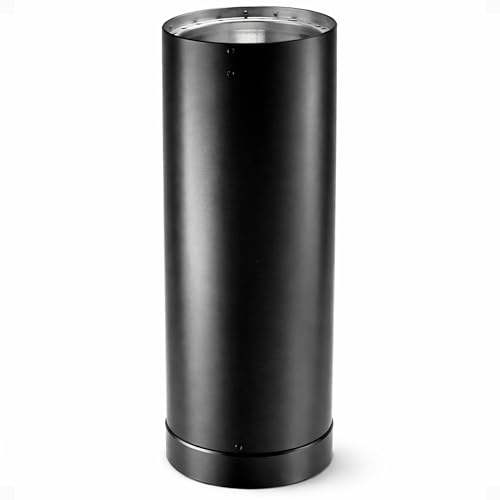
Features: Double-wall pipe designed to vent wood-burning stoves; steel chimney pipe aims to minimize creosote contamination; DVL design emphasizes high flue gas temperatures for a steady draft; suitable for small stoves and tent stoves, quick installation.
Best for: Homeowners seeking a straightforward, quick-install solution for wood-burning configurations with a focus on draft stability.
Limitation: May require compatible fittings within the DVL line for certain layouts.
Selkirk 6″ SureTemp 48” Long Chimney Pipe

Features: SureTemp double-wall chimney pipe with stainless inner liner and durable outer shell; UL-listed and tested to withstand up to 2,100°F surges; designed for venting wood, coal, oil, or gas heating appliances.
Best for: Buyers needing a long, durable, high-heat-rated pipe with proven performance for varied fuel types.
Caution: Ensure proper clearance and compatibility with existing hardware before selection.
AllFuel HST 6″ x 48″ 304 Stainless Steel
Features: Compatible with AllFuel HST Class-A double wall chimney pipe; 304 stainless steel inner and outer walls with laser welded seams for corrosion resistance; insulated with ceramic fiber blanket providing a 2″ clearance to combustibles while maintaining high flue temperatures.
Best for: Projects requiring extended length runs with consistent draft in AllFuel HST systems.
Limitation: Not compatible with other brands’ class-A piping for direct connections.
Selkirk Metalbestos 266036 6-Inch X 36-Inch

Features: Double-wall smoke pipe, durable construction; manufactured in China; designed for easy handling and long-term durability.
Best for: Budget-conscious installs needing a compact, sturdy option for mid-range venting needs.
Caution: Availability and compatibility may vary by region and kit requirements.
DuraVent DVL 6×12 in Double-Wall Steel Chimney Stove Pipe
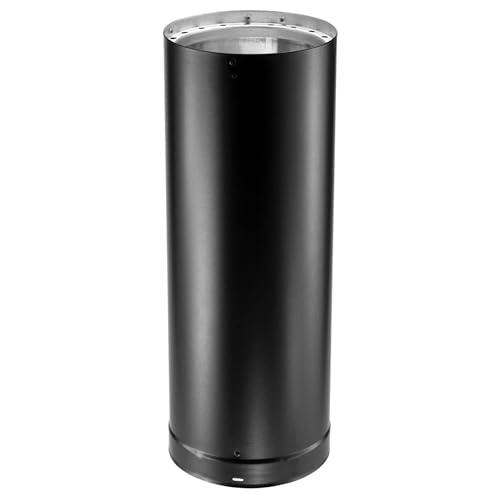
Features: Double-wall pipe for wood-burning stoves; dimensions 7.25 x 7.25 x 12 inches; vents smoke and exhaust from multiple fuels; maintains high flue temperatures for a strong draft.
Best for: Small-appliance wood stoves needing a compact, efficient venting solution with reliable draft.
Limitation: Shorter length may require additional sections for longer runs.
DuraVent 6 Inch Adjustable Lightweight Stainless Steel Double Wall

Features: Adjustable length double-wall pipe with 2-piece assembly; DVL line includes die-formed fittings; supports emissions from wood, oil, coal, and gas fuels.
Best for: Installers needing adjustable, easy-to-fit connections without cutting or crimping ends.
Caution: Verify overall system compatibility when mixing brands or non-DVL components.
DuraVent DVL 6DVL-E90 6” Elbow
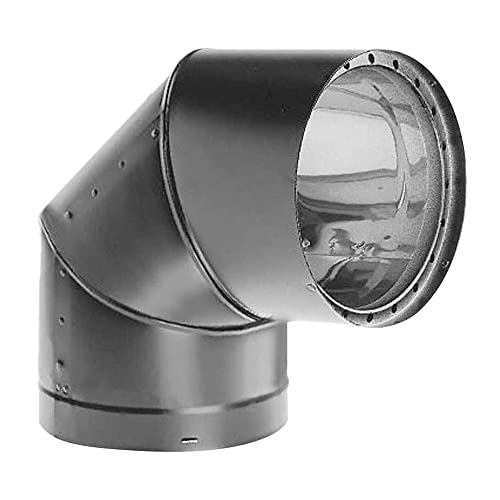
Features: 90-degree elbow in galvanized steel/stainless steel double-wall construction; reduces clearance to combustible walls from 18 inches to 6 inches; air-insulated design keeps flue gases hotter longer.
Best for: Spaces requiring tight turns and limited clearance while maintaining safe venting performance.
Limitation: Elbow fittings require careful alignment to preserve draft and prevent leaks.
Buying Guide: Key Considerations For 6 Inch Double Wall Stove Pipe
- Material and corrosion resistance: Stainless steel inner and outer walls resist corrosion and heat better than galvanized options; look for laser-welded seams.
- Temperature tolerance: High-heat rated pipes (UL-listed up to 2,100°F in some models) offer safety during surges and creosote formation control.
- Class-A compatibility: If you already use a specific brand, sticking with that brand within the same Class-A line simplifies connections and performance.
- Insulation and clearance: Ceramic fiber blankets provide 2″ clearance to combustibles in many models, enabling safer installations in restricted spaces.
- Length, fittings, and adjustability: Adjustable or pre-formed fittings (elbows, DVL sections) reduce cutting and crimping, lowering installation errors.
- Ventilation compatibility: Ensure the system supports the intended fuel types (wood, oil, coal, gas) and the stove’s draft requirements.
- Installation environment: Consider indoor vs. exterior runs, accessibility for cleanup, and whether a tent or portable stove is involved.
- Clearance and codes: Verify local building codes for clearance to combustibles and required clearances, especially in retrofit projects.
Frequently Asked Questions
- What is a double-wall stove pipe, and why choose it?
Double-wall pipes provide improved insulation, higher surface temps for better draft, and reduced clearance to combustibles, improving safety in many installations. - Can I mix brands in a Class-A stove pipe system?
It is generally recommended to stay within the same brand and Class-A line to ensure compatible fittings and sealing; mixing brands can lead to gaps or misfits. - What should I consider when choosing 6-inch pipe length?
Longer runs require more insulation, temperature stability, and possibly additional supports; shorter sections may simplify installation but need careful planning for turns. - Are stainless steel pipes always better than galvanized?
Stainless steel offers superior corrosion resistance and heat tolerance, but may be more expensive; galvanized pipes are more affordable but may corrode over time in high-heat environments. - Do I need a high-heat rated pipe for a wood stove?
Yes, to handle high flue temperatures and reduce creosote formation, especially in longer runs or stoves with high exhaust temperatures. - What maintenance is needed for double-wall pipes?
Regular inspection for corrosion, insulation integrity, and creosote buildup; ensure joints are sealed and connections remain tight.