Answering the search for reliable 8-inch insulated stove pipe, this guide highlights five top options designed to maximize heat retention, ensure safe clearances, and fit typical American wood stove setups. Each pick is best for different needs—durability, compatibility with class-A systems, or simple retrofits. Use the quick reference table to compare core specs at a glance.
| Product | Best For | Key Benefit |
|---|---|---|
| AllFuel HST 8″ x 36″ | Class-A systems needing ceramic fiber insulation | 2″ clearance to combustibles with high draft |
| Selkirk SureTemp 48” | General wood stove venting | UL-listed, handles surges to 2100°F |
| AllFuel HST 8″ x 48″ | Longer runs in class-A installs | Same ceramic fiber insulation, robust construction |
| Selkirk 208024 8″ x 24″ | Shorter runs or retrofit updates | Tested to 2100°F, sturdy steel construction |
| AllFuel HST 8″ x 18″ | Compact additions or limited space | Lightweight, durable 304 stainless |
AllFuel HST 8″ x 36″ Class-A Insulated Pipe
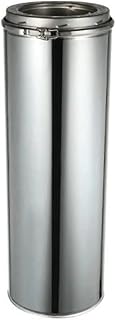
Reference: 304 stainless steel inner and outer walls with laser welded seams provide corrosion resistance beyond galvanized steel or 430 stainless. Ceramic fiber blanket insulation allows a 2″ clearance to combustibles while maintaining high internal flue temperatures for proper draft. This model is specifically compatible with AllFuel HST Class-A double wall systems and cannot connect to other brands’ class-A pipes. Best for buyers already using AllFuel HST components who need a long, reliable run without sacrificing performance.
Who it’s best for: Homeowners with AllFuel HST class-A systems seeking a durable, high-draft option for longer vertical runs.
Why selected: It uses laser-welded stainless steel, ceramic insulation, and a 2″ clearance rating to maximize safety and efficiency.
Caution: Not compatible with non-AllFuel class-A pipes. Ensure exact brand pairing to avoid fitment issues.
Selkirk SureTemp 48” 8″ Double-Wall Pipe

Reference: Double-wall stainless steel outer and inner walls provide durable strength and efficient venting. UL-listed and tested to withstand up to 2,100°F during temperature surges, offering dependable protection for wood, coal, oil, or gas heating appliances.
Who it’s best for: Buyers needing a versatile, high-heat-rated pipe for various fuel types.
Why selected: Strong performance under brief extreme temperatures and robust construction.
Caution: As with any venting system, verify the exact compatibility with your stove model and chimney adaptor.
AllFuel HST 8″ x 48″ Class-A Pipe
Reference: 304 stainless steel inner and outer walls with laser welded seams and ceramic fiber insulation enabling a 2″ clearance to combustibles. This longer length suits taller, straight-line venting needs while maintaining a strong draft.
Who it’s best for: Builders or homeowners planning longer class-A runs.
Why selected: Consistent A-grade materials and insulation for stable vent performance.
Caution: Compatibility is limited to AllFuel HST class-A components; ensure correct system match.
AllFuel HST 8″ x 18″ Class-A Pipe
Reference: 304 stainless steel inner and outer walls with laser welded seams, ceramic fiber insulation, and a 2″ clearance to combustibles. Optimized for shorter spans or retrofit projects within AllFuel HST class-A systems.
Who it’s best for: Those upgrading an existing AllFuel system with a compact segment.
Why selected: Light, durable, and easy to integrate into tight spaces.
Caution: May not be ideal for longer runs without additional sections or supports.
Buying Guide
- Material and durability: Look for 304 stainless steel inner and outer walls with laser welded seams for corrosion resistance and longevity in high-heat venting.
- Insulation: Ceramic fiber insulation provides a 2″ clearance to combustibles while preserving draft. Confirm the rated clearance with your local code.
- Compatibility: Some pipes are brand-specific within class-A systems. Ensure you are purchasing modules that are compatible with your existing stove and chimney components.
- Length and configuration: Decide between short, medium, or long runs. Longer sections reduce joints but require precise alignment and support.
- Heat tolerance: UL-listed or tested ratings up to 2100°F indicate robust performance during surges; ideal for varied fuel types.
- Safety considerations: Maintain proper clearances and follow manufacturer installation guidelines to prevent heat transfer to combustibles.
Frequently Asked Questions
- What is the advantage of insulated stove pipe? It maintains higher flue temperatures, improving draft and reducing creosote buildup in the chimney.
- Can I mix brands of class-A chimney pipe? Most class-A pipes require brand-specific connections; mixing brands can compromise safety and performance.
- How do I choose the right length? Measure your vent path height and room constraints; longer runs reduce joints but require precise installation.
- Is 2″ clearance to combustibles universally required? Clearance ratings vary; ceramic insulation aims to achieve safe clearances, but always verify local code.
- What happens if my stove is not class-A? If your stove uses single-wall venting, use compatible components designed for that system and avoid class-A pipes unless specified.
- Do these pipes require special installation? Yes; professional installation is recommended to ensure airtight joints and correct support.