For attic frost protection, first identify whether the problem is heat loss, a vulnerable water line, or a cold space that genuinely needs controlled heat. The two attic-door covers below help limit air exchange but are not heaters; the pump-house heater is the most directly described freeze-protection heater, though its listed uses do not specifically include attics. The wall-mounted and portable room heaters are less clearly suited to unattended attic use. Match the solution to the location and follow the product instructions and local safety requirements.
| Product | Best suited for | Type |
|---|---|---|
| LEMOONE Attic Door Cover | Reducing air exchange at a compatible attic opening | Insulation cover, not a heater |
| DGSL Attic Door Cover | Insulating attic stair openings up to its stated size | Insulation cover, not a heater |
| 600W Pump House Heater | Freeze protection in suitable utility spaces | Thermostat-controlled heater |
| Heat Storm HS-1500-PHX-WIFI | Buyers considering a wall-mounted infrared room heater | Heater; attic suitability not specified |
| DREO Portable Space Heater | Buyers considering a portable indoor heater | Heater; attic suitability not specified |
LEMOONE Attic Door Insulation Cover

Best for: Homeowners looking to reduce air exchange through an attic opening rather than add heat to the attic. This is an insulation cover, not an attic heater, so it is best considered when drafts or heat loss around pull-down stairs are part of the frost problem.
The listed size is 25 by 54 by 11 inches. Its features describe a double-layer aluminum foil construction with a high-density bubble core and a stated R-value of 15.5. The product information says the cover is intended to create an airtight seal, block dust and moisture, and reflect radiant heat.
Installation is described as unfolding the cover, placing it over the attic opening, and stapling it to the door frame. Measure the opening and available clearance before choosing it. Limitation: it does not warm an attic or directly protect a pipe from freezing if the pipe remains exposed to low temperatures.
DGSL Attic Door Insulation Cover
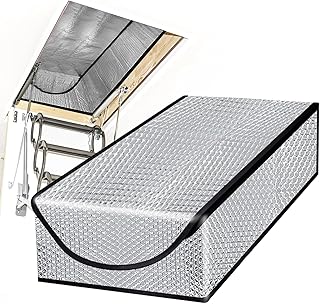
Best for: Buyers with an attic stair opening that measures no more than the stated 25 by 54 by 11 inches and who want a barrier at the access point. It is a cover rather than a heater, making it more appropriate for limiting air movement through the opening than for heating a cold attic.
The listed construction uses two aluminum layers with an air-bubble layer. The product description states an R-value of 14.5 and says the cover reflects radiant heat and helps limit dust, pollutants, moisture, and humidity transfer. Its year-round purpose is to seal the attic door area.
Compare its stated dimensions and R-value with the LEMOONE cover before choosing; the listed R-values differ, but the right fit and installation matter as well. Limitation: the description does not say that this cover protects plumbing or maintains a minimum attic temperature. It cannot replace targeted freeze protection where needed.
600W Pump House Heater With Thermostat

Best for: Buyers seeking a heater specifically described for freeze protection in pump houses and similar utility spaces. Among these selections, this is the clearest match for equipment or a small enclosed space that needs temperature-controlled protection. The listing also names utility rooms, relay stations, and construction sheds as possible uses.
The heater is listed as 600 watts and 120 volts. It has a built-in thermostat and digital display, with a stated setting range of 40°F to 105°F. The product description says it uses X-shaped aluminum fins to transfer heat by convection and has no moving parts.
Before using it in an attic, verify that the location, mounting, electrical supply, and intended operation are permitted by the product manual and applicable safety rules. The listed application examples do not specifically name attics. Limitation: its freeze-protection design does not by itself establish that it is suitable for every attic environment or exposed pipe arrangement.
Heat Storm HS-1500-PHX-WIFI Infrared Heater
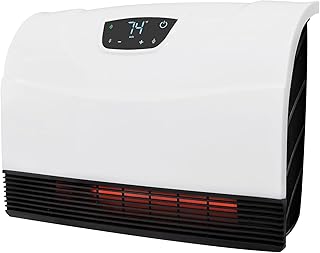
Best for: Shoppers specifically comparing a wall-mounted infrared heater for indoor use. The product name identifies it as a Wi-Fi wall-mounted infrared heater, but the supplied product information does not provide operating details or state that it is intended for attic frost protection.
It is included as a relevant heating-category comparison, not as a confirmed attic freeze-protection solution. Before considering it for an attic, check the current product instructions for approved locations, installation requirements, temperature controls, and whether unattended operation is allowed. Also consider whether the attic’s electrical setup is appropriate.
Limitation: the provided features do not establish its capacity, thermostat range, or suitability for protecting pipes in an unconditioned attic. Choose a product with explicit guidance for the intended location rather than assuming that an indoor heater is appropriate for attic use.
DREO Portable Indoor Space Heater

Best for: Buyers comparing a portable indoor heater with a thermostat, rather than a heater clearly specified for an attic. The supplied name describes it as an electric indoor space heater with a thermostat; the linked product name also references oscillation, but detailed specifications were not supplied here.
This option may be relevant when researching supplemental indoor heat, but the provided information does not confirm that it is suitable for unattended use, attic installation, or freeze protection. Check its full instructions for placement, clearance, controls, and approved operating conditions before considering any use beyond the stated indoor purpose.
Limitation: no wattage, temperature range, or attic-use guidance is included in the supplied features. Do not treat a portable room heater as a purpose-built freeze-protection device without confirming the manufacturer’s directions.
Buying Guide: Choosing Attic Frost Protection
Do you need insulation or a heater?
Start by identifying the source of the risk. If cold air is passing through a pull-down stair opening, an attic cover may help seal that opening. If a water line or other equipment is exposed to freezing temperatures, a cover at the access hatch may not solve the problem. A heater adds warmth to its immediate area, while an insulation cover limits heat and air movement through a specific opening; they serve different purposes.
For plumbing, locate the vulnerable section and assess whether it is in the attic, an exterior wall, or another unheated space. Consider whether insulation, air sealing, pipe protection, or a purpose-designed heater is appropriate. A qualified professional can help when the location or electrical requirements are uncertain.
How should you compare attic-door covers?
Measure the opening and surrounding frame before selecting a cover. The two covers here list the same nominal dimensions, 25 by 54 by 11 inches, but their stated R-values differ: 15.5 for LEMOONE and 14.5 for DGSL. Check the actual product instructions and fit rather than relying on a number alone. Also confirm that there is sufficient clearance for the cover and that the installation method suits the attic opening.
- Choose a cover when your goal is to reduce air exchange at a compatible attic hatch.
- Compare stated dimensions, construction, attachment method, and product instructions.
- Do not assume a hatch cover will keep distant pipes above freezing.
What matters in a freeze-protection heater?
Look for clear manufacturer guidance for the intended location and purpose. The 600W pump-house heater listing explicitly describes freeze protection and gives a thermostat range of 40°F to 105°F. Its listed use cases include pump houses and utility spaces, but not specifically attics. The supplied information for the Heat Storm and DREO models does not establish attic suitability or a freeze-protection function.
Before installation, confirm the heater’s voltage and electrical requirements, the space it is approved for, required clearances, thermostat operation, and whether it can be used unattended. Never infer that a heater is safe for attic use simply because it is marketed for indoor spaces. Follow the product manual and relevant local electrical and fire-safety requirements.
Should you heat the whole attic or protect one vulnerable area?
Heating an entire attic may be unnecessary if the main concern is a small exposed section of plumbing or equipment. On the other hand, a heater aimed at one area may not protect other vulnerable sections. Identify every at-risk location and consider how air movement, insulation, and the attic’s construction affect temperatures. For persistent freezing, seek a solution designed for the actual space instead of relying on an unspecified portable heater.
How can you balance frost protection and energy use?
Air sealing and insulation can reduce unwanted heat transfer through openings, while a thermostat-controlled heater can add heat when its control calls for it. The most suitable approach depends on the cause of the cold and the equipment being protected. Avoid sealing ventilation openings that are required by the home’s design; an attic access cover is not a substitute for maintaining proper attic ventilation. If the source of drafts or moisture is unclear, have the attic assessed.
Frequently Asked Questions
Are attic stair covers attic heaters?
No. The LEMOONE and DGSL products are insulation covers for attic openings. Their descriptions focus on sealing and limiting heat transfer, not generating heat.
Which product here is specifically described for freeze protection?
The 600W pump-house heater is explicitly described for freeze protection. Its listed applications include pump houses and utility spaces, but do not specifically mention attics.
Can an attic-door cover prevent pipes from freezing?
Not necessarily. A cover can limit air exchange through the attic opening, but it does not directly warm a pipe or ensure that a separate attic area stays above freezing.
Is a portable indoor space heater suitable for an attic?
The supplied DREO product information does not confirm attic suitability or unattended operation. Check the manufacturer’s instructions and use the heater only in approved conditions.
What should I measure before buying an attic insulation cover?
Measure the opening and check available clearance around the attic access. Compare those measurements with the product’s stated dimensions and installation instructions.
What temperature should I set for attic frost protection?
There is no universal setting for every attic or pipe. The pump-house heater lists a 40°F to 105°F setting range, but the appropriate setpoint depends on the location, equipment, and manufacturer’s guidance.