People looking to convert a wood-burning fireplace to gas want safer operation, consistent ignition, and less maintenance. This guide highlights practical gas conversion options and select products that support a cleaner, more reliable gas fire. The focus is on converting with minimal remodeling, choosing gas-compatible components, and understanding how each option serves different homes and budgets. The top picks include gas log lighters, burner systems, safety pilot upgrades, and alternative electric options for context. This article is best for homeowners seeking a straightforward transition and for professionals outlining a scope of work.
Below is a quick summary of five relevant products to consider for a gas conversion project. The table shows each product’s primary purpose, ideal user, and what makes it stand out. Use this as a quick reference when planning a conversion.
| Product | Best For | Why It Stands Out |
|---|---|---|
| Midwest Hearth Gas Log Lighter/Starter | Homeowners needing flexible log lighter with NG/LP options | Adjustable air/fuel mixer and universal fit for straight or angled installs |
| Skyflame 18-inch Fireplace Log Grate with Dual Burner Pan | Gas log kits with dual burner capability | Includes complete kit with burner pan, damper clamp, and non-whistle flex line |
| Gas Fireplace Valve Manual Safety Pilot Control System | Upgrading ignition and safety in vented gas fireplaces | Stable ignition and universal thread compatibility |
| Country Living Infrared Freestanding Electric Fireplace | Alternative for non-gas setups or supplemental heat | Multiple flame colors and remote control for ambiance |
| Liquid Propane Conversion Safety Pilot Kit | Converting vented gas log sets to LP or enabling LP use | Pilot ignition support and simple remote operation |
Midwest Hearth Gas Log Lighter/Starter
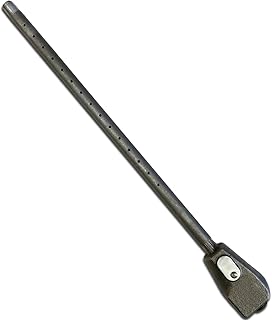
The Midwest Hearth Gas Log Lighter is designed to convert a wood-burning fireplace to gas with versatility. It features an adjustable air/fuel mixer for a clean blue flame and supports natural gas or propane. Its universal straight or angled fit helps accommodate most fireplace orientations, and the solid iron pipe construction promises durability inside a fireplace compartment. This option is best for homeowners who want precise flame control and a straightforward fit to a wide range of existing chimneys.
Who it’s best for: Homeowners seeking a flexible gas log lighter that can be configured for different fireplace layouts and fuel types. Why selected: The adjustable mixer provides reliable ignition and flame quality, while the universal fit makes it easier to install without major remodeling. Caution: Ensure proper gas line size and clearance for safety; verify that the mixer plug is used for the correct orientation and fuel type.
Skyflame 18-inch Fireplace Log Grate with Dual Burner Pan

The Skyflame kit provides an 18-inch fireplace grate with a dual burner pan, designed for natural gas connections. It comes with a 12-inch flex line, connection fittings, and a damper clamp, creating an integrated gas log system that minimizes loose components. The stainless steel construction helps resist corrosion and keeps logs in place. This option is best for homeowners who want a complete, ready-to-install kit that delivers a balanced flame from two separate burners.
Who it’s best for: Those who value a complete installation kit with a durable frame and dual-burner performance. Why selected: It simplifies setup by including essential connection hardware and a non-whistle gas line. Caution: This kit is designed for vented gas fireplaces; confirm compatibility with your specific chimney and damper configurations.
Gas Fireplace Valve Manual Safety Pilot Control System

This manual safety pilot control system is designed to provide stable ignition and enhanced safety for vented gas fireplaces. It features a universal NPT1/2 thread and compatibility with natural gas or propane systems (subject to proper orifice). The built-in pilot kit promotes reliable ignition and reduces the risk of flame-out under varying airflow conditions. This option is best for homeowners upgrading an existing gas log set to improve reliability.
Who it’s best for: Homeowners who want a safer, more consistent ignition system for a vented gas setup. Why selected: The pilot kit helps maintain steady flame under temperature and airflow changes. Caution: Verify orifice requirements for your gas type and ensure proper installation by a qualified technician.
Country Living Infrared Freestanding Electric Fireplace

While not a gas-fired option, the Country Living infrared electric fireplace provides an alternative for homes not ready to convert to gas. It offers multiple flame colors and a faux log appearance with a metal and faux-wood design. Control is achieved via remote and smart features, making it suitable for ambient heat without gas line work. This product helps compare non-gas alternatives for scenarios where gas conversion isn’t feasible.
Who it’s best for: Homeowners seeking ambiance and supplemental heat without installing gas line components. Why selected: It demonstrates a practical alternative when a full gas conversion isn’t possible. Caution: This is an electric unit and does not replace a gas-operated fireplace in terms of heat source or venting requirements.
Liquid Propane Conversion Safety Pilot Kit
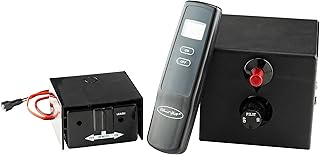
The Liquid Propane Conversion Safety Pilot Kit is designed to convert vented gas log sets to propane or enable LP use with a compatible system. It emphasizes a reliable pilot ignition and the safety benefits of a conversion kit. This option is best for homeowners who want flexibility to use propane and optimize ignition reliability in vented gas setups.
Who it’s best for: Buyers who plan to run LP propane gas with their existing gas log configuration. Why selected: It adds a secure pilot ignition and simplifies LP conversion workflows. Caution: Ensure the kit is compatible with your existing hardware and fuel type, and follow local codes for LP work.
Buying Guide: Key Considerations For Converting A Wood Fireplace To Gas
When converting a wood-burning fireplace to gas, focus on safety, compatibility, and flame quality. Consider the following questions to guide your decision:
- What fuel type will you use most—Natural Gas or Propane? Some components are explicit to one fuel or the other.
- Does your fireplace support a straight or an angled installation? Universal fit options reduce remodeling work.
- Is a complete kit available? A full kit simplifies installation and reduces the need for multiple purchases.
- What about ignition stability? A reliable pilot or ignition system helps prevent flame-out in cold starts or drafts.
- Are there safety features required by local codes? Ensure safe clearances, venting, and professional installation when needed.
Common Scenarios And Recommendations
- For flexible installation and dual-fuel readiness, the Midwest Hearth Gas Log Lighter is a strong pick.
- For a complete burner system with dual flames, the Skyflame kit offers a robust, ready-to-install option.
- To upgrade ignition reliability, the manual safety pilot control system is a practical choice.
- If gas conversion isn’t feasible, consider an electric fireplace for ambiance and supplemental heat while planning installation.
- For propane-focused households, the LP conversion pilot kit provides essential ignition support.
Frequently Asked Questions
- Can I convert a wood-burning fireplace to gas without professional help? Some components are simple to install, but many conversions involve gas lines, venting, and safety considerations that require a licensed professional.
- Is natural gas or propane better for a home conversion? Natural gas is common if a supply line exists; propane offers flexibility for homes without a natural gas line but requires a tank and proper regulator.
- Will a pilot light system improve ignition reliability? Yes, a stable pilot can reduce flame-out and provide consistent ignition under varying conditions.
- Do I need a complete kit or can I mix parts from different products? A complete kit is typically easier to install and ensures compatibility, but parts compatibility and local codes must guide any mixing.
- What safety considerations should be addressed? Venting, clearance from combustibles, gas line sizing, and proper shut-off mechanisms are essential for safe operation.
- Can an electric fireplace substitute a gas conversion? An electric unit can provide ambiance and heat, but it does not replace a gas-fired heating system and requires different installation considerations.