Chimney fans for fireplaces improve draft, reduce smoke backflow, and help heat spread more evenly. This guide highlights five top options for American homes, focusing on electric and heat-powered models. It identifies who each product is best for, and notes practical limitations where relevant. This overview targets homeowners seeking reliable draft induction without extensive retrofit work.
| Product | Best For | Key Benefit |
|---|---|---|
| Chimney Fan Fireplace Fan Chimney Extractor (Basic Model, 110 V) – Elettronica | Traditional wood or coal fireplaces needing steady electric assist | Low-profile 30 cm design with steady electric operation |
| Chimney Fan Fireplace Exhaust/Inducer – Professional Model (30 cm, 110 V) – Elettronica | Homes requiring higher airflow and robust performance | High capacity with multi-speed control |
| Chimney Fan For Fireplace Exhaust/Inducer – Elettronica (110 V) | Heavy-use fireplaces with high heat output | Strong heat tolerance and powerful exhaust |
| 4-Blades Heat Powered Wood Stove Fan – GALAFIRE | Off-grid or energy-conscious setups needing no power | Self-starts at 50°C; silent, no batteries |
| Chimney Fan Fireplace Exhaust/Flue Fan – 110 V Steel Model – Gemi Elettronica | Professional-grade installations requiring durability | High airflow (up to 3800 m³/h) and 6-speed control |
Chimney Fan Fireplace Fan – Basic 110 V (Elettronica)

The Basic Model from Elettronica provides an economical option for standard fireplaces. Best for: homeowners who want a straightforward electric draft inducer without extra features. This unit is suitable for regular operation and simple installation. Caution: verify clearance and mounting to avoid obstruction near the flue outlet.
Chimney Exhaust Inducer – Professional Model
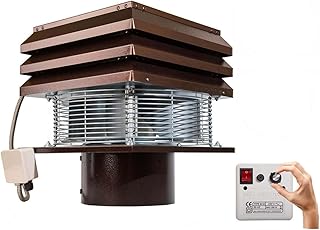
This Professional Model delivers stronger airflow and more settings. Best for: larger or busy fireplaces where higher draft helps minimize smoke backflow. It offers multi-speed control to adapt to varying burn conditions. Caution: ensure electrical wiring matches the 110 V supply and that mounting does not obstruct the flue.
Chimney Exhaust Fan For Fireplace – Elettronica
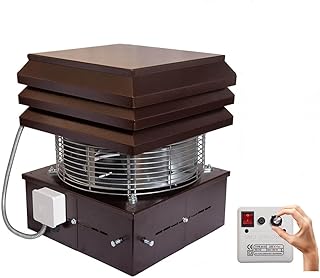
Designed for high heat environments, this Elettronica model emphasizes durability. Best for: frequent use in wood-burning or high-heat setups. It tolerates substantial temperature exposure and offers a robust airflow. Limitation: precise temperature ratings aren’t listed; verify compatibility with your flue dimensions and mounting space.
4-Blades Heat Powered Wood Stove Fan – GALAFIRE

The GALAFIRE unit is a heat-powered fan that requires no electricity. Best for: small to mid-sized stoves, where extra warmth helps spread heat without power access. It starts around 50°C (122°F) and runs silently. Caution: if the stove top temperature never reaches the operational range (around 250°C/482°F), this model may not start reliably.
Gemi Elettronica Chimney Fan – 110 V Steel

This steel model from Gemi Elettronica emphasizes durability and high airflow, with a 6-speed regulator. Best for: professional-grade setups that require strong, adjustable exhaust flow. Limitation: higher power requirements mean it’s best suited for fireplaces with compatible electrical wiring and mounting space.
Buying Guide
- What size chimney fan do I need? Measure the flue diameter and ensure the model’s 30 cm (about 12 inches) footprint fits without obstructing the flue. Consider airflow needs based on room size and fireplace heat output.
- Electric versus heat-powered: Electric models provide consistent performance, while heat-powered fans have no power draw but require a sufficient burn temperature to start.
- Power supply and installation: Check that your electrical circuit matches 110 V where applicable. Confirm mounting space and ensure clearances around the chimney outlet to avoid interference with damper or grate.
- Airflow and control: Look for models with multiple speeds for flexible operation. Higher airflow benefits larger rooms but may introduce more draft, so balance with room layout.
- Durability and heat tolerance: For frequent use or high-temperature fires, choose units rated for high heat exposure. Steel housings and heat-resistant materials improve longevity.
- Noise and maintenance: Some fans operate quietly; others may produce audible fan noise at higher speeds. Routine cleaning around the intake and blades helps maintain performance.
FAQ
- What is a chimney draft inducer used for?
A chimney draft inducer improves airflow in the flue, reducing smoke backflow and helping fireplace heat circulate more evenly. - Are 110 V chimney fans compatible with most homes?
Most 110 V models are standard for residential outlets, but verify circuit capacity and plug type before installation. - Is a heat-powered stove fan suitable for all stoves?
Heat-powered models require the stove top to reach a sufficient temperature to start; they are ideal where electricity access is limited. - How do I know which model is best for my fireplace?
Choose based on usage level, room size, and whether you prefer electric regulation or a battery-free option. For busy fireplaces, a multi-speed electric inducer is often best. - What precautions should I take when installing a chimney fan?
Ensure proper clearances, avoid obstructing flue outlets, secure mounting, and verify power wiring matches the device’s requirements. - Do chimney fans require maintenance?
Yes, periodic cleaning of blades and intake areas helps maintain efficiency and reduces noise.