Copper fin tube radiators and heat exchangers use extended surface area to move heat, but the right choice depends on whether you need a room-heating radiator, a replacement condenser coil, or fin material for a tube assembly. The six-section hydronic radiator is the clearest match for hot-water room heating. The copper-and-aluminum coils are better suited to refrigeration or air-conditioning applications, while the two fin products are components rather than complete radiators.
| Product | Best suited for | Product type |
|---|---|---|
| Hydronic Copper Aluminum Radiator, 6 Section | Hot-water heating applications | Wall-mount radiator |
| Fin Tube Radiators Aluminum Condenser Coil | Condenser replacement or assembly research | Copper-and-aluminum coil |
| SAHUL Copper Fin Tube Radiators | Heat-exchange applications needing described installation features | Copper-and-aluminum coil |
| Stainless Steel Spiral Hollow Fin Heat Sink | Buyers seeking a measured fin component | Stainless-steel fin tube |
| T2 Copper Heat Dissipation Fins | Heating or cooling tube projects needing copper fins | Copper fin component |
Hydronic Copper Aluminum Six-Section Radiator

Best for: Buyers looking for a wall-mounted radiator described for hydronic, or hot-water, heating. Its product name identifies a six-section construction and copper-aluminum materials, making it the most directly heating-oriented option in this group.
Why it was selected: Unlike the condenser coils and loose fin components below, this product is presented as a radiator for hot water. That makes it the closest fit for someone searching for a complete copper fin tube radiator rather than a part used to build or repair a heat exchanger.
Limitation: The provided listing information does not specify dimensions, heat output, connection details, or installation requirements. Confirm those details and suitability for the intended hydronic system before choosing it.
Copper Aluminum Fin Tube Condenser Coil

Best for: Buyers exploring a condenser coil for air-conditioning or refrigeration equipment. The product name describes a copper coil with aluminum fins and identifies AC, refrigerator, and freezer condenser uses.
Why it was selected: Copper tubes paired with aluminum fins are directly relevant to searches for copper fin tube heat exchangers. This is a coil component, however, not a complete room radiator. Choose it if your project involves heat exchange in cooling equipment and the listed configuration matches your requirements.
Limitation: The supplied listing text does not give detailed measurements, connection specifications, or equipment compatibility. The title includes “1-4HP thin,” but buyers should verify the exact coil dimensions and application with the listing before ordering.
SAHUL Copper Fin Tube Condenser Coil

Best for: Buyers seeking a copper-and-aluminum coil described for air conditioners, refrigerators, or freezers. The supplied features say copper finned tubes and aluminum fins are designed for heat transfer across those types of equipment.
Why it was selected: This option offers more descriptive product information than the other condenser coil listing. Its features also state that the design is intended to allow straightforward installation and maintenance, which may matter when comparing coil components for a repair or equipment project.
Limitation: The product description does not provide specific dimensions, connection style, or confirmed equipment models. Treat “1-4HP thin” as a listing descriptor, not proof of fit; compare the actual coil specifications with the equipment requirements.
One-Meter Stainless Steel Spiral Fin Tube

Best for: Buyers who need a spiral fin component with stated dimensions and are not specifically limited to copper. The listing describes a stainless-steel spiral hollow fin heat sink measuring one meter in length, with a 25 mm inner diameter and a listed fin height of 6 mm.
Why it was selected: It is relevant to fin tube radiator projects because it is a finned component intended for tubular cooling, heating, and drying applications. Its material and measurements are clearly identified, which helps buyers compare a component against a tube or assembly they already have.
Limitation: This product is stainless steel, not copper, and the listing title includes other fin-height options. Confirm the selected size and whether the material suits the project before purchase. It is not described as a complete radiator.
T2 Copper Heat Dissipation Fins
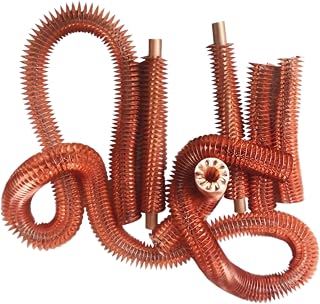
Best for: Buyers sourcing copper fin material for a heating or cooling tube project. The listing identifies T2 copper, a one-meter length, an inner-diameter range from 6 mm to 32 mm, and a fin height of 6 mm.
Why it was selected: This is the clearest match for someone who specifically needs copper fins rather than a finished radiator or an aluminum-finned condenser coil. The listing describes it for heating tubes, steam radiators, and cooling tubes, making the intended component role explicit.
Limitation: It is fin material, not a complete radiator or assembled heat exchanger. The listing gives a range of inner diameters, so verify the exact selected size against the tube you plan to use.
Buying Guide: How to Choose a Copper Fin Tube Radiator
Do you need a complete radiator or a component?
Start by deciding whether you are replacing a finished heating unit or sourcing a heat-exchanger part. The six-section hydronic product is identified as a wall-mount hot-water radiator. The condenser coils and the two fin products are components or coils; they should not be treated as interchangeable with a complete room radiator.
For room heating, verify the radiator’s dimensions, water connections, and heat output against the room and hydronic system. Those details are not included in the supplied information for the six-section listing. For repairs, identify the failed part and compare the replacement’s measurements and connections with the existing equipment.
Should you choose copper, aluminum, or stainless steel?
Material selection depends on the component and application. The listed condenser coils combine copper tubing with aluminum fins. The T2 product is described as copper fin material, while the spiral fin heat sink is stainless steel. The hydronic radiator’s name describes copper and aluminum construction.
Do not assume that a product with copper in its name is made entirely from copper. Check which parts use each material, and consider the equipment maker’s material and fluid requirements. The supplied listings do not provide enough information to determine compatibility with every system or fluid.
How important are dimensions and fit?
Dimensions can determine whether a coil or fin component fits, connects, and transfers heat as intended. Compare tube diameter, coil size, fin height, length, and connection details with the original part or project drawings. The T2 copper fins list a range of inner diameters, so the exact option matters. The stainless-steel product states a one-meter length and 25 mm inner diameter, while its title also mentions different fin heights.
For the condenser products, detailed measurements and connection specifications are not included in the supplied features. Contact the seller or consult the complete listing before relying on a broad equipment description such as “1-4HP.”
Which type suits heating, cooling, or refrigeration?
A hydronic radiator is intended for hot-water space heating according to its name. The condenser coils are described for air conditioners, refrigerators, and freezers. The copper fin component is listed for heating tubes, steam radiators, and cooling tubes, while the stainless-steel spiral fin product is presented for tubular cooling, heating, and drying.
These applications are not automatically interchangeable. Confirm operating conditions and system requirements rather than choosing only by the words “radiator,” “condenser,” or “heat sink.”
What information should you confirm before ordering?
- Whether the item is a complete radiator, a coil, or fin material.
- The exact dimensions, including tube diameter, fin height, and overall length.
- The material of the tube and fins, not just the general product name.
- Connection style and compatibility with the intended equipment.
- Whether the intended use is hydronic heating, air conditioning, refrigeration, or another application.
When key measurements are missing, do not infer fit from a product title alone. Compare the listing details with the equipment documentation and request clarification where necessary.
Frequently Asked Questions
What is a copper fin tube radiator?
It is a heat-transfer assembly that uses a tube and attached fins to increase surface area. The products in this selection vary: some are radiator or condenser products, while others are fin components.
Which listed product is intended for hot-water heating?
The hydronic copper aluminum six-section radiator is explicitly described as a wall-mount hot-water radiator. Its dimensions, connections, and heat output should be verified before purchase.
Are the condenser coils complete room radiators?
No. The two copper-and-aluminum coil listings describe condenser coils for air-conditioning or refrigeration equipment. They are not identified as complete hydronic room radiators.
Are all the products made with copper fins?
No. The listings include copper-and-aluminum coils, a T2 copper fin component, a stainless-steel fin tube, and a hydronic radiator described as copper aluminum. Check the material details for the specific part.
How do I choose the right fin size?
Match the listed inner diameter, length, and fin height to the tube or assembly. Verify the exact selected option because product titles may mention multiple sizes.