Direct vent heating systems provide focused warmth with venting that draws outdoor air for combustion, reducing indoor air loss. This guide highlights five dependable options for American homes: compact wall furnaces, vented gas fireplaces, ventless gas stoves, pellet stoves, and versatile vent registers. Each selection targets specific buyers—homeowners needing compact space heating, those seeking realistic flame aesthetics, or anyone expanding a wood- or gas-fired heat source. The table below compares key details to help buyers decide quickly.
| Product | Best For | Key Benefit |
|---|---|---|
| Empire Comfort Systems Direct-Vent Wall Furnace DV35SGLP | Small homes, tight spaces | High output with direct venting for propane setups |
| Empire Comfort Systems 36″ Direct-Vent NG Fireplace | Ambiance + heat in living rooms | Natural gas with realistic flame and logs |
| Duluth Forge Dual Fuel Ventless Gas Stove FDSR25 | Cold rooms without chimney | Dual-fuel capability and remote control |
| US Stove 3,000 Sq. Ft. Pellet Stove | Mid-to-large spaces, even heating | WiFi-enabled thermostat integration |
| Valterra Rotating/Dampered Heating and A/C Register | Airflow control for existing vents | Adjustable damper to direct airflow efficiently |
Empire Direct-Vent Wall Furnace DV35SGLP

The Empire DV35SGLP is a direct-vent wall furnace designed for propane use. Model DV35SGLP delivers 35,000 BTU input with an estimated 24,500 BTU output. This product is best for compact spaces requiring quick, self-contained heat without outdoor venting complications. It’s suitable for small homes, add-on rooms, or zones where ductwork isn’t practical. A key consideration is propane fuel availability and the need for proper clearances and venting alignment to ensure safe operation.
Who it’s best for: buyers seeking strong heat in a limited footprint, with straightforward propane installation. Why chosen: high output relative to size and direct venting reduce air leakage and maximize efficiency. Caution: ensure outdoor venting and clearance requirements are met, and confirm propane supply compatibility for your living area.
Empire Direct-Vent NG Millivolt Fireplaces

This 36″ direct-vent natural gas fireplace includes logs, burner, tempered glass, and herringbone ceramic fiber brick for a realistic flame effect. It’s designed for rooms where a fireplace enhances ambiance while delivering supplemental heat. The millivolt control variant provides operation without a constant electrical supply, which can be advantageous during power outages. Best for living spaces where aesthetics matter alongside steady, zone-specific heat.
Who it’s best for: homeowners wanting a realistic gas fireplace with a true flame look and a simple electrical footprint. Why chosen: it blends visual appeal with direct-vent heating capability. Caution: power outages can impact electronic components, so verify compatibility with backup options if needed.
3 In 1 Adjustable Air Conditioner Deflector Shield (A)

These universal wind deflector shields help direct airflow from wall units. They’re not heating units themselves but improve heating and cooling efficiency by preventing direct blasts of air from reaching or escaping into uncomfortable zones. Best for renters or homeowners who want to optimize airflow from existing vents to improve perceived warmth without adding new heaters.
Who it’s best for: buyers looking to control airflow from existing vents to boost comfort. Why chosen: simple, tool-free installation and flexible positioning. Caution: these shields don’t add heat; they only steer existing airflow more effectively.
3 In 1 Adjustable Air Conditioner Deflector Shield (B)
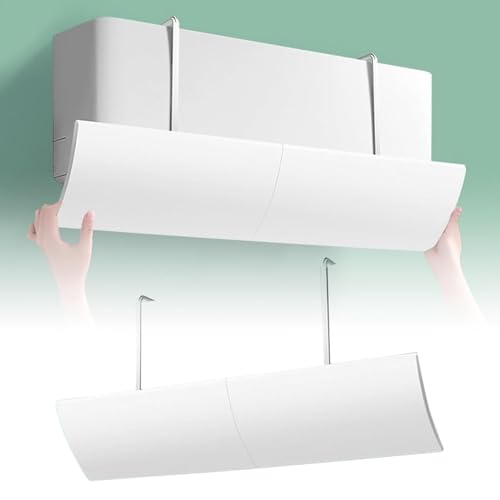
Another variant of the universal wind deflector, designed to fit different vent sizes and styles. It helps minimize drafts from air conditioning or heating vents by directing airflow away from occupants and toward warmer zones. Best for bedrooms or living areas where consistent warmth is desired without loud, direct air blasts.
Duluth Forge Dual Fuel Ventless Gas Stove FDSR25

The Duluth Forge FDSR25 uses dual-fuel technology to heat up to 1,200 sq. ft. using natural gas or propane and includes a thermostat remote control. This ventless option provides flexible installation where venting is a challenge and supports both gas types. Best for smaller homes or spaces lacking external venting, where control via remote and stable thermostat settings matter. Caution: ventless units may require higher fuel usage during peak cold spells and comply with local regulations for ventless heaters.
Who it’s best for: buyers needing vent-free heat with remote thermostat control and dual-fuel flexibility. Why chosen: broad heat coverage without a chimney and convenient remote operation. Limitation: local code restrictions on ventless gas heaters may apply in some areas.
US Stove 3,000 Sq. Ft. Pellet Stove

The US Stove pellet stove heats up to 3,000 sq. ft. and features a compact 170 lb hopper. It operates with up to 33,000 BTUs of clean heat and includes WiFi connectivity for newer thermostat integrations. Ideal for homes prioritizing renewable fuel sources and zoned heating with smart control. Best for larger living spaces requiring consistent, economical heat with modern convenience. Caution: pellet fuel availability and hopper refilling cadence affect performance and maintenance needs.
Who it’s best for: buyers wanting a wood-like heat with pellet fuel efficiency and smart control. Why chosen: strong area coverage with modern connectivity. Limitation: pellet supply logistics can influence continuous operation.
Buying Guide
How to choose the right direct vent heating solution?
- Vent type: Direct-vent units pull fresh outdoor air for combustion and expel exhaust outdoors. Ventless or vent-free options exist but may have local restrictions and different heat output characteristics.
- Fuel type: Propane, natural gas, or pellets offer distinct installation needs and ongoing costs. Verify fuel availability and compatibility with existing lines or storage space.
- Space and heat load: Match BTU output with room size and insulation. Avoid undersized units that struggle in cold climates or oversized units that waste energy.
- Vent routing and clearances: Ensure proper clearances around walls, ceilings, and combustibles. Confirm venting path and outdoor termination requirements for safety and efficiency.
- Power considerations: Some models rely on electricity for fans or controls. Consider backup options if outages are common in your area.
- Ease of installation and control: Remote thermostats, WiFi connectivity, and smart controls can improve comfort and energy management.
- Maintenance: Look for accessible panels, cleanable screens, and replacement parts availability to reduce downtime.
FAQ
- What is a direct-vent heating system? Answer: A system that uses outdoor air for combustion and vents exhaust outdoors, improving indoor air quality and efficiency.
- Which option is best for small rooms? Answer: A compact direct-vent wall furnace or a vented gas fireplace can provide focused heat without extensive ductwork.
- Are ventless heaters safe for homes with children or pets? Answer: They can be safe if installed according to local codes and manufacturer instructions, but ventless units may raise humidity or require better indoor ventilation.
- Can I mix fuels in my heating setup? Answer: Some units offer dual-fuel capability (gas and propane) or modular solutions, but each unit has specific fuel requirements. Check compatibility.
- Is WiFi or smart control worth it? Answer: Smart controls can optimize efficiency and remote management, especially for zoned heating or variable occupancy.
- Do these systems require professional installation? Answer: Many direct-vent options require professional installation to ensure venting safety and code compliance.