Infrared heaters can help cut energy costs by targeting occupied spaces rather than heating an entire home. This guide highlights five well-rounded options suited for different rooms and budgets, with a focus on efficiency, safety, and ease of use. Whether you’re warming a living room, a home office, or a patio, these picks are chosen for reliable heat, practical features, and clear value.
The following table summarizes the five highlighted models, noting who they’re best for and why they stand out. Use this at-a-glance guide to compare features quickly.
| Product | Best For | |
|---|---|---|
| Dr Infrared Heater DR-968 | Large rooms, homeowners needing strong heat | Dual heating system, long-lasting warmth, quiet operation |
| EdenPURE CopperPLUS Infrared Heaters | Energy-conscious zoning, portable use | Copper technology for efficient heat transfer, washable filter |
| Heat Storm HS-1500-PHX-WIFI | Bedrooms and offices with wall-mount need | Wi-Fi control, space-saving design |
| 3-in-1 Infrared Heat Lamp (D-10) | Versatile near/far infrared and heat plate combo | Three-in-one function for varied warmth needs |
| DR. Infrared Heater Portable Indoor/Outdoor | Patios, garages, mixed indoor-outdoor spaces | IP55 rated for outdoor use, multiple power settings |
Dr Infrared Heater DR-968 Portable Space Heater

This model combines infrared quartz tube heat with a PTC element, delivering robust warmth suitable for large rooms. It features Auto Energy Saving settings, high/low modes, and a 12-hour timer. With a quiet blower and an infrared remote, it offers convenient control for spaces that demand steady comfort. Best for: homeowners needing substantial heat in sizable living areas. Limitation: may be larger and heavier than compact personal heaters, making placement considerations important.
EdenPURE CopperPLUS Infrared Heaters

Designed with copper surface technology to improve heat transfer and efficiency, this heater emphasizes zone heating. A washable filter helps reduce ongoing costs while maintaining airflow. Best for: users prioritizing energy savings through localized heating and easy upkeep. Limitation: specific sizing may be more suited to mid-sized rooms rather than the largest spaces.
Heat Storm HS-1500-PHX-WIFI Infrared Heater
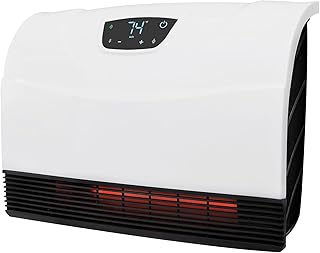
This wall-mounted, Wi-Fi-enabled heater saves floor space while offering convenient temperature control from a phone or remote. It’s ideal for bedrooms and offices where silent operation and precise climate control matter. Best for: tech-friendly setups seeking remote access and a compact footprint. Limitation: designed primarily as a wall unit, so it may not suit open-plan living spaces as effectively as portable models.
3-in-1 Infrared Instant Warm Heat Lamp (D-10)

This unit combines near infrared, far infrared, and an element plate for varied warmth. It aims to deliver a soothing heat experience similar to sun exposure. Best for: users seeking versatility in infrared warmth with a single device. Limitation: as a multifunction unit, it may be bulkier and require more setup than single-function heaters.
DR. Infrared Heater Portable Indoor/Outdoor Heater

This heater is IP55 rated for both indoor and outdoor use and provides clean, instant infrared heat. With multiple power settings (900W, 1200W, 1500W) and standard 120V operation, it supports flexible placement for patios, garages, or covered outdoor spaces. Best for: spaces that blend indoor and outdoor activities. Limitation: outdoor use can still depend on weather conditions and coverage area.
Buying Guide
Key considerations help match infrared heaters to real-world needs:
- Room size and heat distribution: Large rooms may benefit from dual heating elements or powerful wattage, while small spaces can use compact, energy-saving units.
- Heat type and comfort: Near infrared warms objects directly; far infrared offers broader warmth. Choose according to preferred warmth quality.
- Energy efficiency features: Zone heating, timers, and energy-saving modes reduce running costs over time.
- Safety features: Look for tip-over protection, overheat protection, and remote controls for safer operation.
- Placement and design: Wall-mounts save floor space; portable models are versatile for different rooms or outdoor areas.
- Maintenance: Washable filters or simple maintenance routines help keep ongoing costs predictable.
Practical buyer tips:
- For large, shared spaces, prioritize models with dual heating or strong BTU ratings to ensure even warmth.
- If you want to control warmth remotely, check for Wi-Fi or app-enabled options and ensure your home network is compatible.
- Consider a unit with a timer to avoid heating when rooms are unoccupied, further saving energy.
- Outdoor or indoor/outdoor use demands weather-rated units with appropriate IP ratings and safety features.
- Choose a model with easy maintenance, especially if you have pets or allergies that can affect filters and airflow.
Frequently Asked Questions
- Do infrared heaters save money on energy bills?
Yes, by providing targeted heat to occupied areas, reducing the need to heat the entire home.
- Which infrared heater is best for a large living room?
Models with dual heating systems or higher wattage are typically better for large spaces.
- Are wall-mounted infrared heaters better than portable ones?
Wall-mounted units save floor space and can offer consistent warmth in a fixed area, while portable units provide flexibility.
- What safety features should I look for?
Tip-over protection, overheat protection, and a reliable remote or thermostat control are important.
- Can infrared heaters be used outdoors?
Some models are rated for indoor and outdoor use; check IP rating and weather resistance before outdoor use.
- How do I choose between near and far infrared?
Near infrared warms objects directly, while far infrared offers broader ambient warmth; select based on your warmth preference and room layout.