Double-lined stove pipes are designed to improve safety and efficiency when venting a wood, oil, coal, or gas stove. This guide outlines top picks, explaining who each product is best for and why it was selected. Use this overview to compare installation ease, durability, and draft performance, so you can choose the right double-wall pipe for your stove setup.
| Product | Best For | Why It Stands Out |
|---|---|---|
| DuraVent DVL 6DVL-24 | Small-to-mid size stoves | Strong draft, easy installation, versatile fuel compatibility |
| Selkirk 6″ Telescopic Stove Pipe | Wood stoves with uncertain ceiling lengths | Adjustable length, minimizes cuts |
| DuraVent 6 Inch Adjustable | Custom-fit runs | Die-formed fittings, adjustable lengths |
| DuraVent 8DVL-48 | Longer runs or larger stoves | Durable double-wall, balanced high flue temps |
| Selkirk Metalbestos 266036 | Budget-friendly basic venting | Simple, durable, quick setup |
DuraVent DVL Double-Wall 6″ x 48″ Stove Pipe
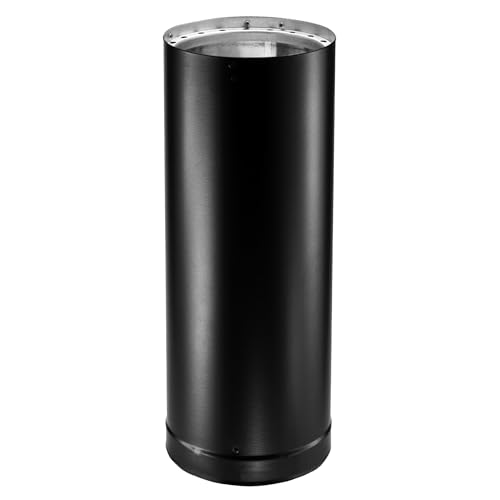
The DVL line provides a double-wall design that helps keep heat focused into the flue while reducing external surface temperatures. This model is compatible with wood, oil, coal, and gas stoves and is designed to improve draft through consistently high flue gas temperatures. It’s best for homeowners who want a straightforward, durable connection with robust heat management and a straightforward installation process.
Best for: Small-to-mid size wood and multi-fuel stoves seeking steady draft and reliable performance. Limitation: Requires precise fit to ensure optimal draft in unconventional ceilings.
Selkirk 6″ Telescopic Stove Pipe

This telescopic pipe adjusts between 38 and 68 inches, making it ideal when ceiling heights vary or when you’re fitting a wood-burning appliance to a chimney. Constructed with double-wall stainless steel and aluminized steel, it delivers durability and a cleaner vent path. Best for: Installers who want to minimize cutting and tailor length on the fly. Caution: Telescoping sections should be securely locked to prevent movement during operation.
DuraVent 6 Inch Adjustable Lightweight Double Wall Pipe

This 6-inch adjustable connector is designed to bridge the stove to the ceiling support box with a two-piece, die-formed system. Its adjustable length eliminates the need for cutting or crimping, reducing installation errors. Best for: Quick, reliable installations with variable ceiling configurations. Caution: Ensure the adjustable sections are fully extended and locked for proper seal and draft.
DuraVent 8DVL-48 Double-Wall Pipe Connector

Designed for longer runs or larger stoves, this 48-inch connector keeps high flue gas temperatures for a strong draft while venting smoke and exhaust from multiple fuels. It’s best for mid-to-large setups that require a longer, durable vent path. Limitation: Longer runs require precise alignment to avoid sagging and potential creosote buildup in bends.
DuraVent DVL 6DVL-E45 45-Degree Elbow

The 45-degree elbow from the DVL line maintains high flue gas temperatures while guiding exhaust safely out the side or upward. Best for: Installations needing a sharp but controlled redirect of venting air. Caution: Elbows add turns that can increase creosote residence time—keep them clean and inspect regularly.
Selkirk Metalbestos 266036 Double Wall Pipe

Selkirk’s double-wall smoke pipe is a straightforward option that emphasizes durability and ease of use. It’s a cost-conscious choice for simple venting needs. Best for: Consumers seeking a dependable, basic double-wall pipe without extra frills. Caution: Might lack some advanced adjustable features found in higher-end models.
Buying Guide
- Material and construction: Double-wall pipes typically use galvanized or stainless steel. Stainless variants resist corrosion and creosote buildup but may cost more.
- Diameter and compatibility: Match the pipe diameter to your stove outlet and chimney system. Common sizes are 6″ and 8″; verify clearances from walls and ceilings.
- Length and adjustability: Telescoping and adjustable segments simplify installation, especially in rooms with uneven ceilings or nonstandard heights.
- Installation ease: Look for die-formed fittings and easy-connect options to minimize cutting and crimping, which can impact performance if misaligned.
- Draft performance: Double-wall designs help maintain high flue gas temperatures, improving draft stability and reducing creosote buildup in the vent path.
- Fuel compatibility: Ensure the pipe supports wood, oil, coal, and/or gas exhaust as required by your stove setup.
FAQ
- What is double-wall stove pipe? A double-wall pipe uses an inner exhaust wall and an outer insulation wall to reduce heat transfer to surrounding areas and maintain better draft temperatures.
- Do I need insulated or uninsulated pipe? For wood stoves and long vent runs, insulated (double-wall) pipe helps prevent creosote formation and preserves heat in the flue.
- How do I choose the right diameter? Match the pipe diameter to your stove outlet and chimney size; common options are 6″ and 8″.
- Can I mix brands? Mixing pipe sections from different brands can work if sizes and connection types are compatible, but compatibility should be verified to avoid leaks and reduced performance.
- What installation mistakes should I avoid? Avoid sharp bends, misaligned joints, and loose fittings. Secure all connections and follow local codes for clearances and vent paths.
- Is a telescoping pipe beneficial? Yes, especially when ceiling heights vary or you want to minimize cutting; ensure locking mechanisms are engaged after adjustment.