Looking for efficient, affordable warmth with minimal fuss? Electric floor board heaters offer steady, silent heat suitable for bedrooms, offices, and living rooms. This guide highlights five solid options that balance power, safety, and ease of installation. Each product section explains who it’s best for, why it’s a good pick, and a practical caveat to consider. The top picks cater to different room sizes, budgets, and control preferences, making it easier to choose the right model for your space.
Buyer’s quick reference table
| Product | Best For | Key Benefit | Limitations |
|---|---|---|---|
| Cadet F Series 24″ Baseboard Heater | Small rooms, quick heat | Compact, simple install | Lower wattage limits heating capacity |
| Comfort Zone CZ600 | Medium rooms, safety-conscious users | Adjustable thermostat, safety features | Convection style may feel slower to heat large spaces |
| Cadet F Series 36″ Baseboard Heater | Medium to large rooms | Higher wattage, strong convection | Bulkier footprint |
| DREO Smart Wall Heater 1500W | Smart homes, tech enthusiasts | App control, voice assistants | Wall-mounted unit, installation required |
| COMFORT ZONE Convection Baseboard | Budget-conscious spaces | Two heat settings, simple knob control | Manual control lacks digital precision |
Cadet F Series 24″ Electric Baseboard Heater

The Cadet F Series 24″ baseboard heater is a compact electric option designed for smaller spaces. With 240/208-volt compatibility and a lower wattage range (350/262 Watts), it is best suited for bedrooms, offices, or compact living areas where space is at a premium. Best for users who need a discreet, easy-to-install heating solution without overpowering a small room.
Who it’s best for: renters or homeowners with limited wall space seeking straightforward, steady heat in a single room. Why selected: its slim profile and straightforward electrical hookup simplify installation in tight spots. Caution: lower wattage means it may take longer to raise temperatures in larger rooms.
Comfort Zone CZ600 Electric Baseboard Heater

The Comfort Zone CZ600 offers 1,500 watts of convection heating and includes an adjustable thermostat, two heat settings, and safety features like a tip-over switch and stay-cool body. It is well-suited for medium-sized rooms where occupants prioritize safety and quiet operation. The device’s overall design emphasizes dependable, consistent warmth with user-friendly controls.
Who it’s best for: households needing a reliable, safe heater with precise temperature control in bedrooms or living spaces. Why selected: robust safety features and adjustable settings provide peace of mind. Caution: convection-style warmth may distribute heat more gradually in very large or open-plan rooms.
Cadet F Series 36″ Electric Baseboard Heater

The Cadet F Series 36″ model delivers higher heating capacity with two wattage options (750/563 Watts) and 240/208 Volts. Its convection design helps distribute warm air across a larger space efficiently. This heater is a strong match for medium to larger rooms where a wall-mounted baseboard unit can provide balanced, steady heat.
Who it’s best for: homeowners needing stronger baseboard heat in living rooms or larger bedrooms. Why selected: higher wattage allows faster warm-up and more uniform room temperature. Caution: larger footprint means more wall space required for installation and alignment with furniture.
DREO Smart Wall Heater, 1500W
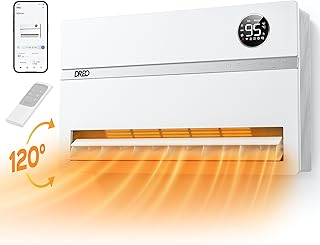
DREO’s 1500W smart wall heater emphasizes modern control, including app-based operation and voice assistant compatibility (Alexa/Google Home). It features 120° oscillation for broader heat coverage and a programmable schedule. It is ideal for tech-forward spaces requiring precise, remote-controlled heating and quick adjustments.
Who it’s best for: tech-savvy buyers or homes with smart hubs seeking convenient, programmable comfort. Why selected: broad heat distribution and seamless integration with smart home routines. Caution: wall installation requires wiring and may be less flexible in rooms with limited wall access.
COMFORT ZONE Convection Baseboard with Manual Thermostat
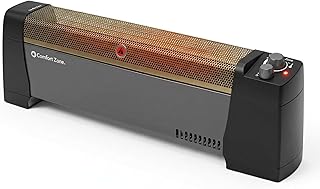
This model uses natural convection to evenly warm a room, with a low-profile baseboard design and two heat settings controlled by a manual thermostat knob. It is a straightforward option for spaces where users prefer simple, reliable heat without digital controls.
Who it’s best for: budget-focused buyers or rooms that don’t require rapid heat changes. Why selected: simple operation and a slim profile help it blend with most interiors. Caution: manual control lacks the precision of digital thermostats, potentially leading to less stable temperatures.
Buying Guide
- Room size and heating needs: Choose higher wattage for larger spaces and lower wattage for compact rooms. Consider whether you want rapid heat up or steady, prolonged warmth.
- Control style: Manual thermostats are simple and affordable; programmable or smart controls offer greater energy efficiency and automation. Ensure compatibility with your home setup if choosing smart options.
- Installation considerations: Baseboard heaters require wall space and proper clearance. Wall-mounted models need secure mounting and potentially electrical work. Check local codes for electrical connections and ensure proper ventilation.
- Safety features: Look for tip-over switches, overheat protection, and stay-cool surfaces to reduce burn risks, especially in homes with children or pets.
- Heat distribution: Convection-based baseboards circulate air to warm the room evenly; some models claim faster or broader coverage with oscillation or multiple wattage settings.
- Maintenance needs: Most electric baseboard heaters are low-maintenance, but ensure easy access for cleaning dust and debris to maintain efficiency.
Frequently Asked Questions
- What is the typical use case for electric floor/baseboard heaters? They are ideal for supplemental heat in individual rooms, zone heating, or replacing older radiators in small to mid-sized spaces.
- Do baseboard heaters consume a lot of electricity? Consumption depends on wattage and runtime. Running at higher wattage for extended periods increases energy use, so pairing with thermostats and scheduling can improve efficiency.
- Are baseboard heaters safe for bedrooms? Yes, when equipped with safety features like tip-over protection and stay-cool housings. Place away from flammable items and ensure proper clearance from furniture.
- Can I install these heaters myself? Some models are designed for DIY installation with basic electrical knowledge, while others require professional wiring. Always follow manufacturer instructions and local electrical codes.
- What’s the benefit of smart baseboard or wall heaters? Smart units offer remote control, scheduling, and integration with home ecosystems, enabling energy savings and easier automation compared to manual models.
- How do I choose between baseboard and wall-mounted electric heaters? Baseboards are discreet and distribute heat along a wall; wall-mounted units can offer targeted heat and faster response but require more permanent installation. Consider room layout and installation feasibility.