Choosing the right electric wall heat panel can cut energy costs while keeping rooms comfortable. This guide targets buyers seeking compact, wall-mounted heating solutions for living rooms, bedrooms, bathrooms, or offices. The top picks below are selected for reliability, ease of installation, and steady warmth. Whether you want a sleek panel, a quiet heater, or a unit with a thermostat, there’s a model that fits. The summary table highlights key features to compare at a glance.
| Product | Best For | Key Benefit |
|---|---|---|
| EconoHome Wall Heater Panel with Thermostat | Living rooms up to 120 sq ft | Thermostat control and energy efficiency |
| Envi Plug-in Electric Panel Wall Heaters | Small spaces, bedrooms, offices | Quiet, fan-less operation with safety sensor |
| EconoHome Convection Wall Heater 250W | Bathrooms or compact rooms | Water-safe design and compact profile |
| EconoHome Convection Wall Heater 400W | Living areas up to 120 sq ft | Higher heat output for faster warmth |
| 350W Infrared Space Heater with Thermostat | Small rooms, zones, or spaces needing quick warmth | Infrared efficiency with app/remote control |
EconoHome Wall Heater Panel with Thermostat

Best for: small- to mid-sized rooms that benefit from steady convection heat. This 400-watt panel is designed for spaces up to 120 sq ft and includes a thermostat to maintain steady comfort. The exterior stays relatively cool to the touch, with overheat protection for safety. It is cETL approved and RoHS compliant, which supports safer electrical use in homes. This model may require hard-wiring in some installations, so check installation needs before proceeding.
Why chosen: It balances energy efficiency with reliable room heating. It uses low wattage per hour relative to traditional space heaters, helping reduce energy bills while maintaining ambient warmth. The heat is primarily convection-based, circulating warmed air from behind the panel.
Caution: Hard-wiring is possible for some setups. Follow local electrical codes and consider professional installation if you’re unsure about wiring or mounting requirements.
Envi Plug-in Electric Panel Wall Heaters

Best for: targeted, 24/7 comfort in spaces where quiet operation matters. This wall-mounted heater is designed for continuous use with a safety wall-sense sensor that cuts power if removed from the wall. It operates at a cool 90°F, helping reduce dryness and promoting a more comfortable environment. Its fan-less design minimizes noise, making it suitable for bedrooms and study spaces.
Why chosen: The built-in safety features and low-wattage operation support energy-conscious use. The design helps reduce dust circulation and allergens, which can benefit allergy sufferers and households with pets or children.
Caution: Best used in rooms where central heat is supplemented rather than relied upon as the sole heat source. Some spaces may benefit from additional warming devices in extreme cold.
EconoHome Convection Wall Heater 250W
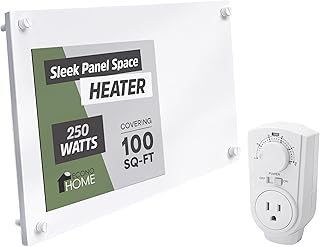
Best for: bathrooms or compact rooms needing steady, safe heat. This 250-watt model is IP44 splash-proof, designed to be mounted in areas where exposure to moisture is possible. It uses convection currents to warm air and includes a heat reflectors for efficient warmth distribution. A triple-insulated build improves electrical safety, and installation hardware is included for easier mounting.
Why chosen: The higher safety rating makes it suitable for damp environments, while the compact size supports flexible placement. It offers a reliable option without overwhelming a small space with heat.
Caution: It should be kept at least 12 inches away from any water source to maximize safety in damp areas.
EconoHome Convection Wall Heater 400W

Best for: living areas up to 120 sq ft where faster warmth is desired. This 400-watt panel heats more air per cycle than the 250W model and includes a heat reflector to improve distribution. It uses convection to move warm air and is designed for easy wall mounting with a flat, paintable finish that blends with many decors. It is cETL approved and RoHS compliant, with a 3-year warranty offered by the manufacturer.
Why chosen: It provides higher output for quicker comfort in common living spaces while maintaining a slim profile that stays unobtrusive. The reflective surface directs heat efficiently into the room, helping to reach comfort levels faster.
Caution: This unit is designed for wall mounting and may require hard-wiring in some installations. Verify your electrical setup before mounting.
350W Infrared Space Heater with Thermostat

Best for: small rooms or zones needing rapid warmth with precise control. This infrared panel uses graphene heating technology to deliver high thermal efficiency with relatively low power consumption. It includes a thermostat, remote, app control, and scheduling features for energy-aware use. It heats up quickly and is rated for spaces around 3–8㎡.
Why chosen: The infrared approach provides quick comfort with lower energy use in small areas. The remote control and app integration add convenience for on-demand adjustments and scheduling.
Caution: For optimal efficiency, install where infrared heat can reach occupants directly. Ceiling installation requires extra hardware not included.
Buying Guide
What to consider when choosing electric wall heat panels
- Room size and heat load: Match wattage to square footage. Larger rooms benefit from higher wattage panels, while smaller spaces can rely on 250–400W units.
- Mounting and installation: Determine if you’ll hard-wire or use plug-in models. Consider wall studs, clearance from moisture, and whether professional installation is advisable.
- Thermostat and controls: Decide between basic on/off thermostats and smarter controls (remote or app-based) for precise temperature management and energy savings.
- Safety features: Look for overheat protection, RoHS compliance, ETL or UL listings, splash resistance for bathrooms, and cool-to-touch surfaces for households with children.
- Energy efficiency: Compare wattage to room area and check whether the unit uses convection or infrared heating. Convection panels distribute warm air; infrared panels heat objects and people directly.
- Aesthetics and installation: Consider slim profiles, paintable finishes, and whether you prefer a modern, minimal look or a device that blends with existing decor.
Frequently Asked Questions
- Do these panels require professional installation? Some models are designed for easy wall mounting or plug-in use, while others may require hard-wiring. Check the product details and local electrical codes.
- Can electric wall panels replace central heating? They can supplement central heat in small spaces or provide zone heating, but may not replace a full-home system in very large areas.
- Are infrared panels more efficient than convection panels? Infrared heaters can feel warmer quickly and may be more efficient for small areas, whereas convection panels distribute heat more evenly across the room.
- Is it safe to leave these heaters on overnight? Many models include overheat protection and safe-touch casings, but always follow manufacturer guidance and consider a thermostat with automatic shutoff for overnight use.
- What maintenance do these panels require? Most panels have no routine maintenance beyond periodic cleaning. Avoid moisture exposure beyond specified IP ratings and ensure proper ventilation as needed.
- Do these panels work well in drafty rooms? Panels with higher wattage and appropriate insulation perform better in drafty spaces; consider higher BTU equivalents or supplementary insulation to maximize efficiency.