Electric heat tape for pipes is a practical solution for preventing frozen or burst water lines in winter. This guide highlights five top options that balance safety, reliability, and ease of use for different types of homes. The best picks are suited for homeowners who want straightforward installation, commercial-influenced durability, or budget-friendly coverage. The top products below help keep water flowing at subzero temperatures and are appropriate for both metal and plastic pipes, depending on the model.
Summary table of selected products
| Product | Best For | Key Benefit |
|---|---|---|
| Frost King HC6A Automatic Electric Heat Kit | Small to medium pipes | 6 ft of 7W/ft heating for reliable freeze protection |
| Frost King HC3A Automatic Electric Heat Kit | Tight spaces | 3 ft length with solid protection to -40°F |
| Long 50 ft Pipe Heating Cable (general) | Long runs and exposed installations | Industrial-grade construction and -40°F protection |
| 3 ft to 200 ft Heat Tape (50 ft) | Versatile coverage | Wide length options with robust moisture resistance |
| HEATIT 30 ft Self-Regulating Cable | Energy-conscious installs | Self-regulating, ETL and UL safety certified |
Frost King HC6A Automatic Heat Kit, 6 Feet

Best for: small to mid-length pipe runs in basements or crawl spaces where simple installation matters. This 6-foot kit provides steady heat at 7W per foot, keeping water flowing down to -40°F for both metal and plastic pipes. Its straightforward design makes it a strong choice for homeowners with short to moderate pipe lengths and a need for reliable, plug-in warmth. Limitations: shorter length may require multiple kits for longer runs.
Frost King HC3A Automatic Heat Kit, 3 Feet

Best for: tight spaces or short pipe runs where a compact solution is preferable. The 3-foot cable heats at 7W/ft and protects water flow down to -40°F for metal and plastic pipes. It’s ideal for closets, under-sink installations, or where a shorter heater is advantageous. Caution: ensure the heater length matches pipe exposure to avoid gaps in coverage.
Long 50-Foot Pipe Heating Cable (General)
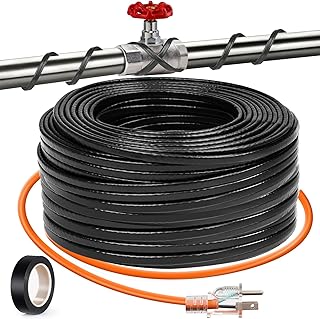
Best for: longer pipe runs or outdoor installations where extended coverage is needed. This 50-foot heating tape delivers -40°F protection with a 5W/ft output and a rugged build that includes an aluminum shield and TPE jacket. It’s suitable for metal and plastic pipes and is designed to withstand moisture and UV exposure. Limitation: longer length may require careful routing and secure mounting to prevent sagging.
3 Ft-200 Ft Heat Tape for Water Pipes (50 Ft)

Best for: versatile installations, from short to long runs. This 50-foot model facilitates broad adaptability across various pipe lengths and configurations, keeping water flowing in subzero conditions. It provides -45°F resilience with a thermostat-enabled design. Caution: verify compatibility with pipe material (metal vs. plastic) before mounting all the way along a long run.
HEATIT 30 ft Self-Regulating Cable

Best for: energy-conscious installations and larger projects that demand robust safety features. This HEATIT cable self-regulates to adjust heat output along the length, reducing energy consumption while maintaining protection down to -40°F. It carries ETL safety certification and UL-listed plug for added assurance. Selection note: ensure full cable certification rather than just the plug for complete safety compliance. Caution: overlapping or cross-wrapping is allowed but avoid excessive heat buildup in tight bends.
Buying Guide
Key considerations for choosing the right pipe heat tape include pipe material, length requirements, and climate expectations. If your pipes are metal, copper, PVC, or PEX, confirm the product supports both materials. Length matters: assess the total run to avoid gaps in protection. Self-regulating cables can save energy but may cost more upfront; consider total cost of ownership and exposure (indoor vs. outdoor) when selecting a jacket and shield. Look for certifications (ETL, UL) for safety and reliability. For outdoor or exposed installations, choose a model with UV and chemical resistance and a robust outer jacket. Finally, plan mounting strategy using metal retainers or clips to prevent slippage in windy or cold environments.
Common questions to help buyers decide quickly:
- What length do I need to cover all pipes that could freeze? Measure total exposed lengths to avoid undersizing.
- Is self-regulating heat tape worth it for my setup? Yes, for varied pipe lengths and safer energy use, especially in unpredictable conditions.
- Can I overlap sections? Yes, but follow manufacturer’s guidelines to avoid overheating at overlaps.
- Should I choose a cable with a thermostat? A thermostat offers automatic on/off control, reducing energy use in varying outdoor temperatures.
- What certifications matter? ETL and UL listings indicate compliance with safety standards across North America.
- Is it safe to install on plastic pipes? Most models support plastic, but always verify the product’s compatibility before installation.
Frequently Asked Questions
- What temperature do pipe heat tapes protect against? They typically protect water flow down to about -40°F (-40°C).
- Do I need an electrician for installation? Many systems are plug-in and DIY-friendly, but follow local codes and manufacturer instructions.
- Can heat tape be used on outdoor pipes? Yes, many models are designed for outdoor use, provided you choose weather-resistant jackets and appropriate mounting.
- How do I maintain safety with heat tape? Keep cables clear of sharp edges, ensure proper insulation, and avoid overlapping without guidance from the manual.
- Will heat tape prevent all pipe freezes? They significantly reduce risk, but extreme conditions may require additional preventive measures such as insulation.
- Are there energy-saving options? Self-regulating cables and those with built-in thermostats typically provide efficient operation.