Answering the need for efficient hot water, these top-rated options focus on energy savings, reliability, and suitability for different home sizes. Hybrid heat pumps excel in energy efficiency; traditional electric tanks offer quick hot water delivery with solid reliability; tankless and gas models provide on-demand options. This guide helps you pick the right model based on family size, installation space, and energy goals.
| Product | Type | Best For |
|---|---|---|
| Senville Hybrid Heat Pump Electric Water Heater, 50 Gallon | Hybrid Electric | Medium to large households seeking high efficiency |
| ACiQ 50 Gallon Electric Residential Hybrid Heat Pump Water Heater | Hybrid Electric | Bases in basements or garages; energy-conscious homes |
| Rheem PROE40 T2 RH95 40-Gallon | Electric Electric | Smaller families or apartments needing reliable hot water |
| MRCOOL Electric Tank Water Heater, 50 Gallon | Electric Tank | Everyday households valuing fast recovery |
| Rheem RTG Series 8.4 GPM Outdoor Gas Tankless | Gas Tankless | Large households wanting endless hot water |
Note: This table is a quick reference to help compare energy strategy, capacity, and typical space needs. Individual installation conditions can influence performance and efficiency.
Senville Hybrid Heat Pump Electric Water Heater, 50 Gallon
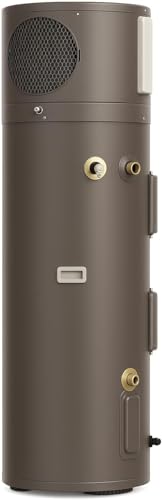
Features: Energy-Saving hybrid technology extracts heat from ambient air to warm water, reducing electricity use by up to 70% versus standard electric heaters. It delivers high efficiency with a 3.75 UEF rating and a 69-gallon First Hour Rating (FHR). The 50-gallon capacity covers medium to large households for showers, laundry, and dishes without running out.
Best for: Households prioritizing energy savings and steady hot water supply. Choose this if you want a proven hybrid system that maximizes efficiency in typical indoor spaces.
Caution: Requires adequate air space around the unit for heat exchange; ensure installation location supports venting and clearance guidelines.
ACiQ 50 Gallon Electric Residential Hybrid Heat Pump Water Heater Tank

Features: Certified ACiQ sellers provide reliable HVAC solutions. Designed for indoor installation, best in stable indoor temperatures and not recommended for unheated spaces below 37°F. The unit is suited for basements or garages, needing 700–1,000 cubic feet of air circulation and proper drainage.
Best for: Homes with stable indoor temperatures where a basement or garage installation is feasible. Choose this if you prefer a dedicated hybrid system from a recognized seller and have space for adequate airflow.
Caution: Not ideal for unheated or extremely cold spaces; ensure your area maintains above-freezing temperatures during operation.
Rheem PROE40 T2 RH95 40-Gallon Electric Water Heater

Features: 40-gallon tank suited for households with 2 to 4 people. Electric design is easy to maintain and provides 55 gallons of hot water in the first hour, supporting moderate to high daily demand.
Best for: Families needing reliable, straightforward electric hot water with solid recovery. Choose this if you want a dependable standard electric tank with easy serviceability.
Caution: A 40-gallon size may feel limited during peak simultaneous usage; consider capacity needs for showers, laundry, and dishes.
MRCOOL Electric Tank Water Heater, 50 Gallon

Features: A 50-gallon electric tank designed for modern households, delivering consistent hot water for daily use. Dual 4500W elements enable fast recovery, reducing wait times and ensuring reliable hot water during high demand. Energy-efficient design aims to balance consumption with performance.
Best for: Homeowners who want a robust electric tank with faster reheating and strong, consistent performance. Choose this if recovery speed matters in your household.
Caution: As with many electric tanks, energy efficiency depends on proper insulation and correct thermostat settings; ensure correct installation for optimal results.
Rheem RTG Series 8.4 GPM Outdoor Gas Tankless Water Heater

Features: Outdoor gas tankless water heater delivering 8.4 GPM at a 35°F rise, with 180,000 BTU/hr output. Non-condensing design claims energy savings versus traditional 50-gallon electric tanks. Ideal for large households with multiple simultaneous hot water needs.
Best for: Homes needing endless hot water with on-demand performance, especially in climates where outdoor installation is feasible. Choose this if you want whole-home hot water with minimal standby losses.
Caution: Outdoor installation requires venting considerations and appropriate clearance; ensure weather protection and proper service access.
APCOM UT1 Hot Water Recirculation Pump
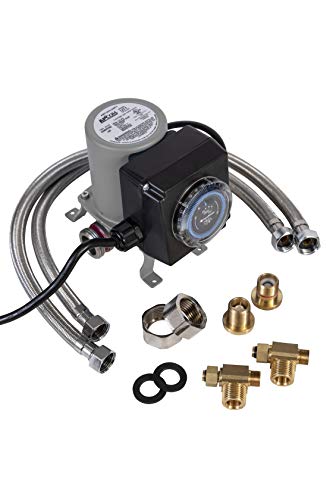
Features: Under-sink recirculation pump delivering instant hot water with a built-in thermostat and timer. Uses automatic operation to conserve water and energy by reducing wait times for hot water at taps.
Best for: Homes with longer wait times for hot water at distant fixtures. Choose this if you want quick access to hot water without heating the entire tank continuously.
Caution: Works best with compatible loop plumbing and may require professional installation to maximize efficiency.
AIRHOP 3L Instant Hot Water Dispenser

Features: Countertop 3L dispenser with five temperature presets and three volume options, delivering instant hot water with a compact design. LED display shows status, and the unit includes a detachable tank for easy cleaning and maintenance.
Best for: Small households or offices seeking instant hot water for beverages and light kitchen tasks without storing hot water in a large tank.
Caution: Not a replacement for a full home water heating system; consider alongside a primary heating setup if full-home hot water is required.
Buying Guide: Key Considerations For Energy Efficient Hot Water
- Household size and peak demand: Larger families benefit from higher capacity and hybrid heat pump options; smaller households can manage with 40–50 gallon electric tanks or tankless solutions.
- Energy source and efficiency: Heat pump hybrids offer major energy savings in suitable indoor environments. Gas tankless units reduce standby losses and provide on-demand hot water for large households.
- Installation space and climate: Indoor spaces with stable temperatures favor hybrid electric systems. Outdoor gas tankless units require venting and weather considerations, while indoor electric tanks need proper access for service.
- Recovery rate vs. first-hour rating: First-hour rating (FHR) indicates how much hot water is available in the first hour; recovery rate indicates how quickly the unit heats water after depletion. Pick based on typical daily patterns.
- Maintenance and installation costs: Hybrid systems may have higher upfront costs but lower operating costs. Tankless and electric tanks usually have simpler installation but may require more frequent maintenance for optimal efficiency.
- Space for air circulation: Hybrid heat pumps need adequate air volume around the unit to extract heat efficiently; ensure the installation area conforms to clearances and ventilation.
Frequently Asked Questions
- What is the most energy-efficient type of hot water heater?: Hybrid heat pump water heaters offer significant energy savings compared to standard electric tanks, especially in warm indoor environments.
- Do tankless water heaters save energy?: Tankless heaters heat water on demand, reducing standby energy losses, but overall savings depend on usage patterns and installation quality.
- Can I install a heat pump water heater in a basement?: Yes, if the space has adequate ventilation and ambient temperatures suitable for heat exchange.
- Is a larger gallon capacity always better for households?: Not necessarily. Consider daily hot water usage; a tank too large for your pattern can waste energy through standby losses.
- Do I need professional installation for gas tankless water heaters?: Yes. Gas tankless systems require venting and proper fuel connections; professional installation ensures safety and compliance.
- How important is the first hour rating?: The First Hour Rating reflects available hot water during peak demand; higher FHR helps households with multiple simultaneous uses.