Looking for an EPA-certified pellet stove that delivers reliable heat and cleaner burning? This guide highlights five top picks aimed at different homes and budgets. EPA certification matters for fuel efficiency and emissions, helping you save on heating costs while meeting environmental standards. The selections below are suited for: small-to-mid sized living spaces, larger homes with separate zones, and users who want smart-home features or high hopper capacities. Each entry explains who it’s best for and why it was chosen, plus practical considerations to help you decide.
Summary of selected products:
- Castle Serenity 41278: Easy maintenance and flexible operating modes for schedule-driven heating
- Comfortbilt HP22: Large heating area, traditional vented setup, strong blower
- PelPro PP150: High heat output and best fuel economy in its class
- US Stove GW1949 Wiseway: Non-electric, gravity-fed design for simple reliability
- Canyon Lodge / Cleveland Iron Works Bayfront family options: varied hopper sizes and integration options for mid-range budgets
Castle Serenity Pellet Stove
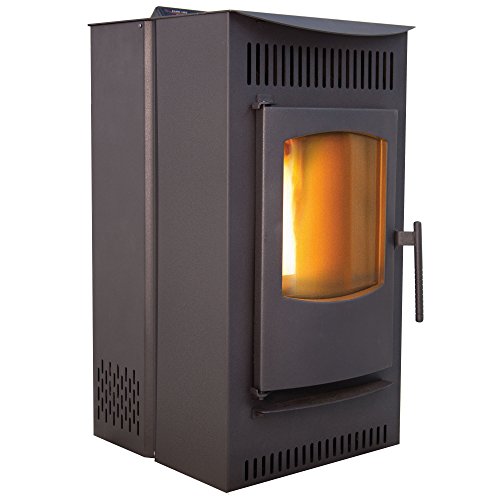
The Castle Serenity 41278 is designed for heating up to about 1,500 square feet. It features a manual control with options for weekly scheduling, thermostat-based operation, and Eco mode, which helps maintain a selected temperature with on/off cycling. The unit emphasizes easy cleaning with no tubes or hidden chambers, reducing maintenance tasks. Best for smaller homes or apartments where predictable heat and ease of use matter most. Cautions: Eco mode relies on cycling, which may feel less stable in very drafty rooms.
Comfortbilt HP22 Pellet Stove

The Comfortbilt HP22 can heat up to 2,800 square feet and carries EPA certification for efficient burn. It has a 55-pound hopper and a sizable viewing area (bay design) with a carbon black finish and a powerful 110-volt blower. Not vent-less, so installation requires venting. Best for larger homes or open-plan living areas where strong heat output and a wide view are desirable. Caution: Requires proper venting and professional installation in some setups.
PelPro PP150 Pellet Stove

The PelPro PP150 offers up to 49,200 BTU and heats up to 2,500 square feet, featuring an auto-ignition system and built-in thermostat. It emphasizes fuel economy with EPA-certified efficiency around 87.5%, and a large 150-pound hopper supporting several days of fuel. This makes it well-suited for larger homes or spaces with less frequent access to refueling. Caution: The unit has a large footprint and requires adequate clearance for safe operation.
US Stove GW1949 Wiseway Pellet Stove

The GW1949 Wiseway uses a non-electric, gravity feed system and offers 40,000 BTUs to heat up to 2,000 square feet. Its lack of electronics can be an advantage in simpler installations and for users who want fewer moving parts. Best for budget-conscious buyers who prefer a straightforward, low-maintenance heater with traditional pellet-stove operation. Limitation: Non-electric systems may lack some smart features and precise temperature control found in electric models.
Cleveland Iron Works Bayfront Pellet Stove
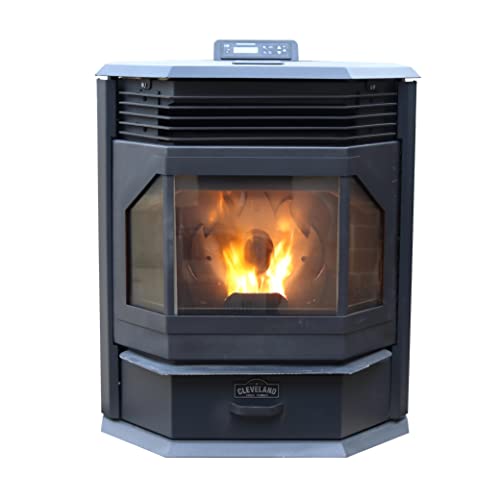
The Bayfront model from Cleveland Iron Works supports WiFi for smart-home integration and heats roughly 1,800 to 2,500 square feet with a 66-pound hopper. Best for tech-friendly homes that want remote monitoring and control. Choose this if you value app-based management and steady, mid-range heat. Caution: Verify WiFi compatibility with existing networks and consider installation requirements for smart features.
Canyon Lodge Small Pellet Stove

The Canyon Lodge model is a compact option heating 800–1,200 square feet with a 24-pound hopper and cast iron fire pot. Best for small spaces or as a supplementary heater in a larger home. Caution: Smaller hopper means more frequent refueling in high-use periods.
Cleveland Iron Works Medium Pellet Stove

This medium model heats 1,500 to 2,200 square feet with a 60-pound hopper, combining mid-range heating with WiFi-enabled smart features for convenient operation. Best for medium-to-large rooms where a balance of heat capacity and smart control matters. Caution: Ensure adequate clearance for venting and access to electrical supply for WiFi features.
Mr. Heater Cleveland Iron Works Small Pellet Stove

Compact and WiFi-enabled, this model heats 800–1,200 square feet with a 24-pound hopper. It suits small apartments or cabins where smart controls are desired without sacrificing space. Best for users who want modern features in a small footprint. Caution: Smaller hopper means more frequent refueling in cold seasons.
Buying Guide: Key Considerations for EPA Certified Pellet Stoves
What size space will you heat? Measure your room and determine the heated area to match stove capacity. Consider hopper size and fuel needs for how often you’ll refuel. Do you prefer a non-electric, simple system or a model with smart features and remote control?
- EPA Certification: Look for models with EPA certification for efficiency and cleaner burning. This typically translates to lower fuel use and emissions.
- Heat Output and Room Size: BTU requirements should align with your space. Larger living areas require higher BTU stoves and, often, bigger hopper capacities.
- Ventilation Requirements: Most stoves require proper venting. Some units are vented, others may be ventless or non-ventless only with limits; check local codes.
- Fuel Storage: Hopper capacity affects how often you refuel. 24–66 pounds covers a range of usage patterns; larger hoppers are convenient for long intervals between fills.
- Smart Features: WiFi control and thermostat integration add convenience but require reliable power and network access.。
- Installation Space and Clearance: Ensure adequate clearance around the unit and proper clearance to walls and flooring.
Quick Buying Checklist
- Space size and heating goals
- EPA certification status
- Hopper capacity versus refueling frequency
- Ventilation requirements and installation feasibility
- Preference for manual vs. automated controls
FAQ
- What does EPA-certified mean for pellet stoves? The EPA certification indicates the stove meets emissions and efficiency standards set by the Environmental Protection Agency, helping reduce pollutants and improve fuel efficiency.
- Do I need professional installation for pellet stoves? Many models require professional installation due to venting and clearances, but some non-vented or simpler setups may be feasible with guidance from the manufacturer and local codes.
- Which hopper size is best for me? Larger hoppers reduce refueling frequency, ideal for large spaces or busy households. Smaller hoppers suit compact rooms or occasional use.
- Are non-electric stoves reliable? Non-electric models, like gravity-feed designs, offer simplicity and lower maintenance but lack modern smart controls and automatic temperature adjustments.
- How important is blower power? A strong blower improves heat distribution and quick warmth in a room, particularly in larger spaces or open floor plans.
- Can I use these stoves in apartments? With proper venting and local regulations, some models can be suitable for apartments, especially compact or direct-vent designs. Always check building codes and HOA rules.