When choosing heat resistant paint for fireplaces, stoves, and grills, look for high-temperature formulas that can endure 1200°F or more. This guide highlights five reliable options, each best for different needs—from restoring vintage stoves to upgrading outdoor grills. Ideal buyers include DIY homeowners updating metal surfaces, wood stove enthusiasts, and professionals sealing joints or chases. The table below compares each product at a glance to help you decide quickly.
| Product | Best For | Key Benefit |
|---|---|---|
| Rutland 1200°F Brush-On Flat Stove Paint | Stoves, grills, and chimney components | Adheres to steel, cast iron, aluminum, brick; restores beauty |
| Rust-Oleum High Heat Flat BBQ Black | Outdoor grills and radiators | Oil-based, protective enamel up to 1200°F |
| Stove Bright Fireplace Satin Black Spray | High-heat surfaces needing quick spray | Fast-drying satin black finish; durable up to 1200°F |
| 4 Pack 2732°F High Temp Fireplace Sealant | Sealing joints and gaps in high-temp areas | Rigid bond; fire-retardant up to 2700°F |
| Stove Bright Bark Brown High Temp Spray | Fireplaces, stoves, and grills needing color | Durable brown satin finish; withstands 1200°F |
Rutland 1200-Degree Stove Paint — Flat Black

Best for restoring the look of aging stoves, grills, or chimney caps, this brush-on formula adheres to steel, cast iron, aluminum, brick, and most metals. It’s a flat black finish designed to endure up to 1200°F, making it suitable for stoves, smokers, stoves pipes, or chimney caps. This option is ideal for DIYers who prefer brush-on application and a enduring matte look. Caution: brush-on application can require more prep and drying time compared to sprays.
Rust-Oleum High Heat Flat BBQ Black

Choose this if you need an oil-based enamel that renews and protects metal surfaces exposed to heat up to 1200°F. It’s suited for exterior barbecue grills, wood-burning stoves, radiators, engines, or other metal items. It covers a generous area and dries to the touch within a few hours, facilitating faster project completion. Limitation: as an oil-based formula, proper ventilation is advised during application and curing.
Stove Bright Fireplace Satin Black Spray

This spray paint is designed for high temperatures up to 1200°F and offers a satin black finish that dries quickly. It’s best for fast coverage on fireplaces, stoves, or boilers and works well on metal and cast iron surfaces. Choose this if you want a convenient, spray-on solution with good color retention. Limitation: spraying in well-ventilated areas is essential due to fumes, and spray distance should be maintained as directed for an even coat.
Threlaco 4 Pack High Temp Fireplace Sealant
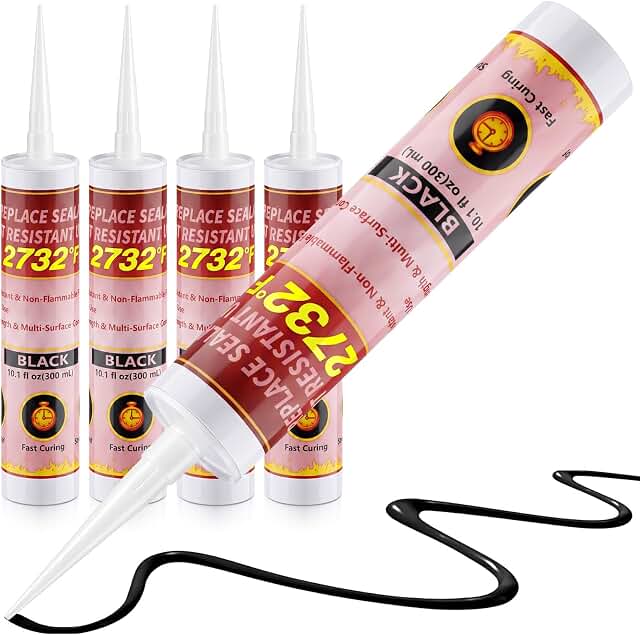
This inorganic high-temperature sealant is engineered for rigid bonding rather than elasticity. It can withstand up to 2700°F, making it suitable for fireplaces, stoves, ovens, grills, and furnaces where a high-temperature seal is crucial. Best for permanent, non-flexing joints. A caution: it cures hard, so it’s not ideal where flexible movement is needed.
Stove Bright Bark Brown High Temp Spray

Best for those who want a color option without sacrificing heat resistance, this spray paint endows stoves, fire pits, and grills with a bark brown finish up to 1200°F. It is particularly appealing for outdoor equipment or decorative metalwork that benefits from a natural, earthy look. Limitation: color consistency can vary with multiple coats, and outdoor exposure may require additional sealant in extreme weather.
Buying Guide: Key Purchase Considerations
What temperature range do you need? Most high-heat paints and sealants are rated up to 1200°F, with some sealants designed for much higher temperatures. Choose a product that matches the expected maximum surface temperature to ensure longevity.
Choose the right form factor. Brush-on paints are ideal for precision on flat or irregular surfaces, while spray paints offer quick, uniform coverage on large or intricate areas. Consider your preferred application method and cleanup requirements.
Consider the surface and substrate. Metal surfaces like steel, cast iron, aluminum, and brick accept most high-heat coatings, but prep work can influence adhesion. If you’re sealing gaps, inert or rigid sealants may be preferable to flexible paints.
Indoor vs. outdoor use. Indoor applications may require lower odor formulas and faster curing, while outdoor environments may benefit from more robust UV and weather resistance. Always follow ventilation guidelines for fumes.
Color and finish. Satin, flat, and glossy finishes affect appearance and maintenance. Satin finishes tend to hide minor surface imperfections, while flat finishes can show wear more readily but provide a classic look for stoves and chimneys.
Frequently Asked Questions
- What temperature rating should I look for in fireplace paint? Look for coatings rated to at least 1200°F for stoves and fireplaces; some sealants handle much higher temperatures for joints and flues.
- Can I use spray paint for interior fireplace surfaces? Yes, but ensure proper ventilation and use products labeled for high heat and indoor use where appropriate.
- Is it necessary to prep surfaces before painting? Yes. Thorough cleaning, rust removal, and light sanding improve adhesion and durability.
- Do high-temperature coatings require a primer? Some products include primers or advise using a compatible base coat for the best result on metal surfaces.
- How should I cure or dry these products? Follow the manufacturer’s curing times; avoid touching the surface until fully dry, and maintain adequate airflow during curing.
- Are high-heat sealants better than paints for gaps? For joints and gaps, a rigid high-temperature sealant can provide superior structural stability and fire resistance.