Answering the need for reliable warmth, this guide highlights top fuel-burning space heaters and practical electric options. The featured fuel-burning models are ideal for larger rooms, outdoor-adjacent spaces, or areas where electricity isn’t the primary heat source. Electric options provide compact, safe indoor warmth for bedrooms, offices, and small living areas. This mix helps buyers compare performance, safety features, and suitability for different spaces.
Buyer types at a glance:
- Big-room or workshop users who need powerful heat: look at dual-fuel and high BTU models.
- Portable warmth on the go: choose compact propane or small electric heaters with safety features.
- Pet-friendly and safety-conscious households: prioritize tip-over and overheat protections.
Overview Table: Selected Products
| Product | Type | BTU / Heat Output | Best For | Limitations |
|---|---|---|---|---|
| Mr. Heater MH9BX | Propane Radiant | 4,000–9,000 BTU | Medium rooms up to ~225 sq ft; outdoor use with good ventilation | Outdoor use; altitude considerations may trigger shutoff |
| Mr. Heater Buddy Radiant | Propane Radiant | 4,000–9,000 BTU | Portable warmth for small-to-medium spaces | Indoor use in ventilated areas only |
| Mr. Heater 30,000 BTU Vent Free Blue Flame | Dual Fuel (Gas) | 30,000 BTU/HR | Large spaces up to 1,000 sq ft | Vent-free design may require room ventilation |
| Mr. Heater 20,000 BTU Dual Fuel | Dual Fuel (Gas) | 20,000 BTU/HR | Medium-to-large areas where dual-fuel helps fuel flexibility | Gas fuel availability and ventilation considerations |
| WINHL 1500W Electric Space Heater | Electric Ceramic | 1500W | Bedrooms, offices, small living rooms | Electric-only; best for low-power, safe indoor use |
Fuel-Burning Space Heaters: Top Choices
Mr. Heater MH9BX

The MH9BX is a compact, portable propane radiant heater designed for spaces up to about 225 square feet. Best for outdoor or well-ventilated indoor spaces, it offers automatic shut-off in tip-over or low-oxygen conditions. This model is ideal for campers, garages, or temporary heating in workshops where electricity isn’t available. A limitation is the need for proper ventilation and fuel supply at the site.
Mr. Heater Buddy Radiant
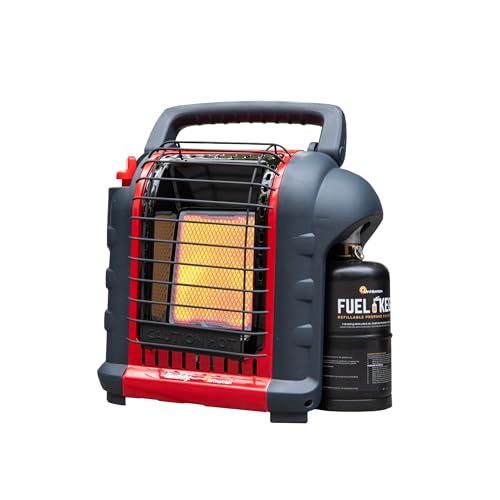
The Buddy provides portable radiant warmth for small-to-medium spaces and is well-suited for quick heat in cabins, tents, or small workshops. It shares safety features like auto shut-off and tip-over protection. Best for users who need mobility and straightforward operation, but ensure adequate ventilation for enclosed areas.
Mr. Heater 30,000 BTU Vent Free Blue Flame

Ideal for larger, well-ventilated spaces, this blue-flame dual-fuel unit delivers significant warmth with vent-free operation. Best for open-plan rooms or detached spaces. A potential limitation is the need to monitor air quality and ensure the space remains adequately ventilated to maintain safe operation.
Mr. Heater 20,000 BTU Dual Fuel

This dual-fuel option balances size and output for mid-to-large rooms, offering flexibility with gas or alternative fuel sources. Best for households seeking fuel versatility and broader heating coverage. A consideration is that proper fuel availability and safe indoor use should be ensured with adequate ventilation.
Electric Space Heaters: Safe Indoor Alternatives
WINHL 1500W Ceramic Space Heater

High-efficiency ceramic heating with rapid warm-up, wide-angle oscillation, and a remote for easy control. Best for small offices or bedrooms where quiet operation and convenient programming matter. Limitations include electric power requirements and dependence on local electrical capacity.
DREO Space Heater 2026 Model

Electric space heater with digital display, 12-hour timer, and 5 modes. It emphasizes safety features like overheat protection and a tilt sensor in a compact design. Best for desks, small home offices, or bedside setups where programmable timing adds convenience. Limitation includes ceiling or wall clearance requirements for safe usage.
Buying Guide: Key Considerations And Comparisons
What heat source best fits your space?
Fuel-burning heaters are powerful for open rooms or spaces without reliable electrical access. They require ventilation, fuel management, and awareness of carbon monoxide risks. Electric heaters are safer for enclosed spaces and allow precise temperature control.
How much heat do you need?
Calculate room size in square feet and select BTU ranges accordingly. Large rooms (roughly 400–1,000 sq ft) typically benefit from higher BTU dual-fuel units or vent-free options, while small rooms can be effectively heated with compact electric heaters or low-output gas heaters outdoors or in well-ventilated areas.
Safety features worth prioritizing
Look for automatic shut-off, tip-over protection, oxygen depletion sensors, and temperature regulation. For electric models, ensure a certified ETL listing and proper cord management. For fuel-burning units, ventilation and CO precautions are essential.
Portability versus capacity
Portable models support flexible warmth across rooms but may have lower sustained output. Larger units deliver steady heat for big spaces but are less mobile. Decide whether you need mobility or maximum heat in a fixed space.
Maintenance and operational considerations
Fuel-burning heaters require fuel supply planning and routine checks for safe operation. Electric heaters have fewer ongoing consumables but require electrical compatibility with home circuits and safe placement away from flammable materials.
FAQ: Quick Answers For Buyers
- Are fuel-burning heaters safe for indoor use? Yes, when used in well-ventilated areas and with proper carbon monoxide precautions, but ensure the unit is designed for indoor use and install any required detectors.
- What should I consider when buying a dual-fuel heater? Fuel availability, room size coverage, venting requirements, and safety shut-off features. Dual-fuel models offer flexibility with gas or alternative heat sources.
- Do electric space heaters provide enough warmth for large rooms? Electric heaters are typically best for small to medium spaces; large rooms may require higher wattage or supplemental heating strategies.
- Is there a risk of fire with space heaters? All heaters carry some risk if placed near flammable items or left unattended. Look for tip-over and overheat protections, certified components, and proper placement guidelines.
- How do I choose between a heater with a thermostat or manual controls? A thermostat maintains a chosen temperature automatically, saving energy and reducing manual adjustments, especially in rooms with fluctuating conditions.
- What maintenance is needed for a propane heater? Regular fuel supply checks, venting cleanliness, and ensuring CO detectors are active and properly placed in living spaces.