When power outages strike, a gas heater that runs without electricity can keep spaces warm and comfortable. This guide highlights top no-electricity gas heaters and explains who each is best for. The top picks are ideal for homes, cabins, workshops, and emergency prep kits where a steady heat source is essential even without power. Below, a quick summary table helps you compare key features at a glance.
| Product | BTU | Heat Area | Ignition | Best For |
|---|---|---|---|---|
| Mr. Heater 30,000 BTU Vent Free Blue Flame Natural Gas Heater | 30,000 | Up to 1,000 sq ft | Battery operated electronic ignition | Larger rooms; backup heat |
| Mr. Heater 20,000 BTU Vent Free Blue Flame Natural Gas Heater | 20,000 | Up to 700 sq ft | Battery operated electronic ignition | Small-to-mid spaces; budget pick |
| Mr. Heater 30,000 BTU Vent Free Radiant Natural Gas Heater | 30,000 | Up to 1,000 sq ft | Battery operated electronic ignition | Quiet radiant heat; medium-large areas |
| ProCom MN200HBA-B 20,000 BTU Natural Gas Ventless | 20,000 | Up to 950 sq ft | Manual control; no electricity | No-electric operation; safety features |
| Mr. Heater 10,000 BTU Vent Free Radiant Natural Gas Heater | 10,000 | Up to 300 sq ft | Piezo ignition | Small rooms; quick warmth |
Mr. Heater 30,000 BTU Vent Free Blue Flame Natural Gas Heater
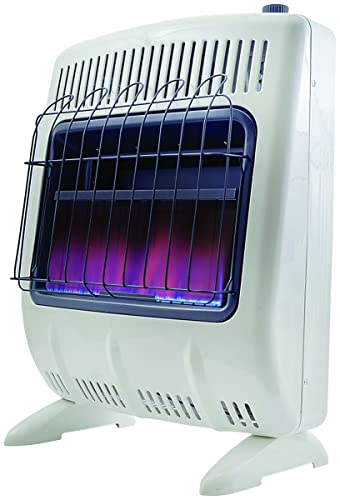
Emits 30,000 BTU/hr and heats up to 1,000 square feet. Battery operated electronic ignition (battery included) enables quick startup during power outages. Best for larger living rooms or basements where uninterrupted heat is needed, provided there is a natural gas supply. A caution: ensure proper venting in ventilated spaces to avoid indoor buildup in tightly sealed rooms.
Mr. Heater 20,000 BTU Vent Free Blue Flame Natural Gas Heater
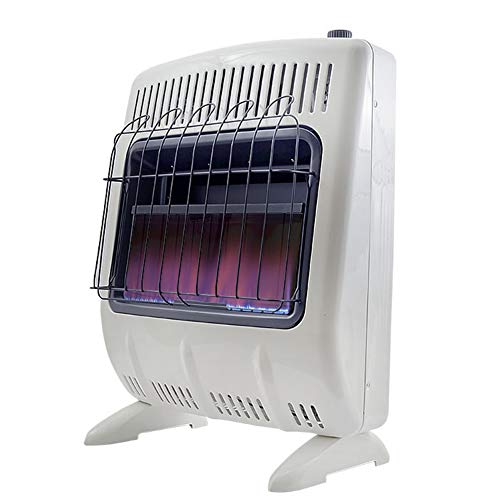
This model delivers 20,000 BTU/hr and heats up to 700 square feet. It uses battery operated electronic ignition (one AA battery included). It’s well suited for medium-sized rooms or spaces where electric outages must not interrupt warmth. Better for efficient, zone-specific heating compared to larger units, but check room sizing to avoid overheating.
Mr. Heater 30,000 BTU Vent Free Radiant Natural Gas Heater

Also at 30,000 BTU but with radiant heat distribution, this unit heats up to 1,000 square feet and uses a battery operated ignition. It’s a strong choice for open-plan areas where radiant warmth creates a comfortable balance. Caution: radiant models can heat surfaces nearby more quickly; maintain safe clearance from combustibles.
ProCom MN200HBA-B 20,000 BTU Natural Gas Ventless

ProCom’s model provides 20,000 BTU and heats up to 950 square feet. It operates on natural gas only and requires no electricity, making it reliable during outages. It features a manual control with three heat settings and an Oxygen Depletion Sensor with automatic shut-off. Best for off-grid reliability and safety-conscious buyers, though it lacks electronic ignition.
Mr. Heater 10,000 BTU Vent Free Radiant Natural Gas Heater
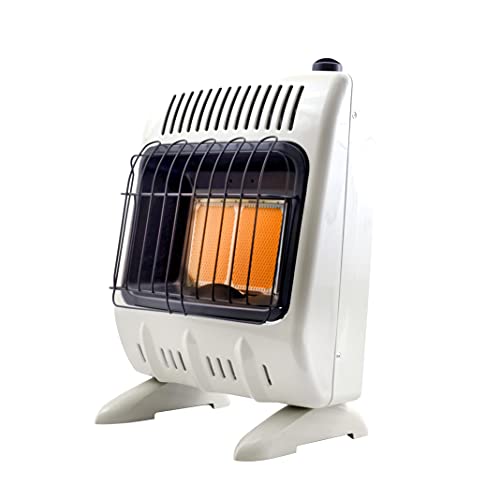
Delivering 10,000 BTU/hr, it heats up to 300 square feet. Piezo ignition provides a simple start without electricity. Choose this for small rooms or as a compact backup heat source in cabins or offices. Limitation: smaller heating area means rooms may require longer operation to stay warm during extended outages.
Mr. Heater 30,000 BTU Vent Free Blue Flame Propane Heater

Note: This model is propane-based with similar 30,000 BTU output to the natural gas variants. It heats up to 1,000 square feet and uses a battery operated ignition. Best for propane-powered setups or where natural gas isn’t available, but ensure proper fuel storage and ventilation. For power outages, the propane connection remains usable if lines are intact.
2 in 1 Portable Kerosene Heater & Stove, 9000 BTU

This kerosene-based unit combines heating and cooking capability with 9,000 BTU radiant output and a 4.5-liter fuel tank for up to 21 hours. It operates without electricity and provides a flat cooking surface. Best for off-grid emergencies, camping, or workshop warmth, but kerosene fuel management and ventilation are essential considerations.
Buying Guide: No-Electricity Gas Heaters
- Power source and ignition: No-electricity models either rely on battery or piezo ignition or are completely manual. Consider your outage duration and ease of starting in cold weather.
- Heating area and BTU: Match BTU to room size. Larger spaces need higher BTU, but avoid overheating small rooms. For open floor plans, radiant or blue flame variants offer different heat distribution.
- Ventilation and safety: Vent-free units still require good room ventilation to maintain indoor air quality. Check oxygen depletion sensors and automatic shut-off features where available.
- Fuel type: Natural gas units require a gas line; propane units provide flexibility but require proper storage and leak precautions. Kerosene heaters offer off-grid operation but require fuel management and ventilation.
- Portability vs. fixed installation: Compact models fit small spaces or cabins, while larger units suit living rooms or workshops. Portability is a key advantage for emergency use.
- Usage scenarios: Use in weatherproof spaces, basements, garages, or off-grid cabins where electricity is unreliable or unavailable. Always follow manufacturer guidelines for installation and use.
Frequently Asked Questions
- Can these heaters operate during a power outage? Yes, most models with battery ignition or no electricity can operate without power, provided a fuel source is available.
- Are vent-free gas heaters safe indoors? When used as directed, with proper ventilation and safety features like oxygen depletion sensors, they are designed for indoor use. Always follow local codes and manufacturer instructions.
- Do I need professional installation? It depends on the model and fuel type. Some require gas line hookup or venting; consult a licensed professional for permanent installations and comply with local regulations.
- Which heater is best for a small room? A 10,000 BTU radiant model or a compact 20,000 BTU unit is typically suitable for small to medium rooms. Choose radiant heat for quicker, localized warmth.
- What maintenance is required? Regularly inspect ignition components, gas connections, and ventilation. Clean any dust from grills and ensure safety shut-offs function properly.
- Is kerosene a good backup fuel? For off-grid use, kerosene heaters provide heat without electricity, but fuel storage, air quality, and spill safety require careful handling.
This guide presents no-electricity gas heaters suitable for emergency warmth, cabins, and spaces where power reliability is a concern. Use the buying considerations to compare models and choose the option that best fits your space and fuel availability.