If you want a fast, reliable way to start a wood-burning fire, a gas log lighter or starter is the answer. This guide highlights five top options that work with natural gas or propane, fit both straight and angled installations, and offer adjustable air/fuel control for a clean blue flame. It’s ideal for homeowners who want quick ignition, minimal mess, and easy DIY installation. The products below are chosen for versatility, durability, and practical buyer benefits. The quick-reference table summarizes the featured options for easy comparison.
| Product | Best For | Fuel Type | Installation | Note |
|---|---|---|---|---|
| Midwest Hearth Gas Log Lighter/Starter (NG) | Average-size wood fireplaces | Natural Gas | Straight or Angled | Solid iron pipe |
| Midwest Hearth Gas Log Lighter/Starter (LP) | Gas fireplaces using propane | Propane | Straight or Angled | Similar design to NG version |
| 14In Cast Iron Gas Log Lighter | DIY replacements | Natural Gas/Propane | Universal adaptable | Heavy-duty cast iron |
| Universal Gas Log Lighter Starter | Versatile retrofit | Natural Gas | Straight or Angled | Includes mixer and wrench |
| Midwest Hearth Universal Log Lighter Kit | Complete kit for quick setup | Propane | Straight or Angled | Chrome components |
Midwest Hearth Gas Log Lighter/Starter — Natural Gas

This gas log lighter provides a universal straight or angled installation using an included mixer plug. It is best for homeowners with natural gas lines who want a stable, adjustable flame for quick ignition of a wood fire. The built-in adjustable air/fuel mixer helps tune a blue flame for efficient lighting.
- Best for: Wood-burning fireplaces with natural gas supply
- Why selected: Flexible configuration and adjustable flame for fast ignition
- Limitation: Requires compatible gas line and firebox space for straight or 90-degree setup
Midwest Hearth Gas Log Lighter/Starter — Propane
This propane version mirrors the natural gas model with an adjustable air/fuel mixer and a universal straight or angled installation. It’s best for homes that use propane as a primary fuel source and want consistent ignition with a controllable blue flame.
- Best for: Propane-powered fireplaces
- Why selected: Identical construction and flexibility as the NG variant
- Limitation: Requires propane supply and compatible gas fittings
14-Inch Cast Iron Gas Log Lighter

This heavy-duty cast iron gas log lighter is designed for universal installation with quick ignition features. It includes a burner pipe with multiple gas inlets and is ideal for replacing old parts or upgrading a DIY fireplace setup. It supports dual-fire conversions and standard log lighter configurations.
- Best for: DIY replacements and durable builds
- Why selected: Cast iron for long-term durability and quick setup
- Limitation: May require compatible burner pipe and gas inlet fittings
Universal Gas Log Lighter Starter

The universal starter emphasizes easy adaptability for straight or angled installs, with a complete package that includes a burner pipe, air/fuel mixer, mixer plug, wrench, and gas-rated tape. Best for builders or homeowners seeking a versatile, all-in-one solution for natural gas fireplaces.
- Best for: Flexible installations and quick startups
- Why selected: Includes essential components in one package
- Limitation: Ensure compatibility with your gas line and fireplace dimensions
Midwest Hearth Universal Log Lighter Kit — Propane
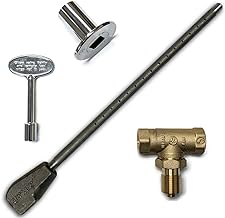
This universal kit pairs a log lighter with a straight ball valve, chrome key, and a floor plate. It’s best for those who want a straightforward, dependable setup with a simple control scheme and compatibility with propane systems. It is especially suitable for converting existing fireplaces to gas-start ignition.
- Best for: Simple, ready-to-install propane setups
- Why selected: Complete small kit with essential fittings
- Limitation: Might require additional piping for non-standard configurations
Buying Guide: Gas Starters For Wood Fireplaces
What should you consider when choosing a gas log lighter starter? Here are practical questions and answers to help you pick the right option for your fireplace and fuel type.
What fuel type will you use?
Gas log lighters are designed for natural gas or propane. Confirm your household fuel before buying. Some units support both NG and LP variants, while others are built specifically for one fuel type.
What installation configuration do you need?
Most models offer straight or 90-degree angled installation, with an included mixer plug or adjustable mixer. If your fireplace has a tight or irregular space, choose a universal or angle-ready design.
How important is adjustability?
An adjustable air/fuel mixer helps create a clean blue flame and ensures reliable ignition. This is especially helpful in changing fireplace sizes or when fuel pressure varies.
Durability and materials matter
Look for solid iron or cast iron construction for longevity in high-heat environments. Durable connections and standard NPT fittings reduce the risk of leaks and misalignment over time.
Compatibility and installation effort
Consider whether you need a full kit with burner pipe, mixer, valve, and mounting hardware, or if a lighter with basic components suffices. DIYers often prefer complete kits for quicker, cleaner installs.
Safety and maintenance
Always follow local codes and shut off gas supply when installing. Regular inspection of gas lines and hardware helps prevent leaks and ensures stable operation over time.
Maintenance tips
- Keep burner ports clear of debris to maintain flame quality.
- Check for gas leaks after install using standard safe methods.
- Inspect fittings and connections periodically for corrosion or wear.
FAQ
- Can I use a gas log lighter with any fireplace? Most lighters are designed for standard wood-burning fireplaces with compatible gas lines. Always verify fit and fuel type before purchasing.
- Which is better for quick ignition: natural gas or propane? Both can provide fast ignition; the choice depends on your home’s gas supply. Some units optimize flame consistency for either fuel.
- Do these kits require professional installation? Many are designed for DIY installation if you are comfortable handling gas lines and fire safety. Always follow manufacturer instructions and local codes.
- What is the advantage of an adjustable air/fuel mixer? It lets you tune flame color and heat output, improving ignition reliability and reducing fuel waste.
- Are universal kits more expensive? Universal kits often include more components and offer flexibility, which can justify a higher upfront cost for versatile use.
- What maintenance is needed? Regularly inspect for leaks, clean burner ports, and ensure fittings remain tight to maintain safe, efficient operation.