Finding the right heat bulb for chickens is essential for healthy chicks and comfortable coops. This guide highlights five reliable options suited for brooders, coops, and small farms. Each option is described with who it’s best for, why it stands out, and any practical limitations. Use this overview to compare heat output, longevity, and ease of use, so you can maintain a stable, warm environment for your poultry.
Overview of selected products at a glance:
- DaToo Infrared Heat Lamp Bulb — Best for immediate warmth in small, multi-use spaces.
- Jugbuy 250W Red Heat Lamp Bulbs — Best for larger brooders needing strong, consistent heat.
- LUCKY HERP 150W Ceramic Heat Emitter — Best for night-time heating without light distraction.
- LUCKY HERP Infrared Heat Lamp 250W — Best for versatile use with soft lighting for pets and reptiles.
- REPTI HOME 250W Infrared Heat Lamp — Best all-around for mixed animals and greenhouse applications.
DaToo Infrared Heat Lamp Bulb For Chickens

Product: DaToo 150W Infrared Heat Lamp. This bulb uses a tungsten filament with an aluminum-coated shell to concentrate heat efficiently. It is designed for brooder coops, pets, and reptiles, delivering quick warmth with energy efficiency. The red light is evenly spread and soft, helping minimize disruption to poultry’s circadian rhythms.
Who it’s best for: Small brooders or home setups needing rapid warming without heavy light exposure at night. It suits operators who value fast heat-up and energy savings.
Why selected: Combines strong heat output with a reflective coating for efficient warming and quick response in cold weather. The light is designed to be gentle on animal vision while maintaining warmth.
Limitations: May require careful placement to avoid overheating sensitive perches or feed areas. Check heat distribution in larger coops to ensure even coverage.
Jugbuy 250W Red Heat Lamp Bulbs—2 Pack

Product: Jugbuy 250W Red Heat Lamp Bulbs in a 2-pack. Noted for higher heat output with a vacuum aluminized process that extends lifespan. These R40 bulbs provide substantial ambient heat for larger brooders and communal spaces, with a standard E26 base for easy installation.
Who it’s best for: Medium to large brooders or coops that require consistent heat over a wider area. Ideal for operators who want extra longevity between replacements.
Why selected: The 250W rating, improved heat output, and longer service life help stabilize temperatures in colder months. The twin-pack offers value for ongoing warmth needs.
Limitations: Higher wattage requires mindful placement to prevent overheating in confined spaces. Ensure ventilation and avoid direct perching areas where heat is excessive.
LUCKY HERP 150W Ceramic Heat Emitter
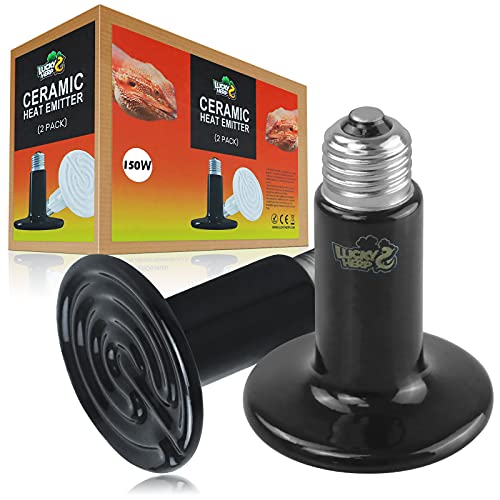
Product: LUCKY HERP 150W Ceramic Heat Emitter in a 2-pack. Ceramic emitters produce heat without light, ideal for night-time warmth. Built with durable ceramic and designed for standard E26 sockets, they heat quickly and offer up to 10,000 hours of operation.
Who it’s best for: Nighttime warmth without light disturbance, particularly for chicks or pets that sleep better with darkness. Great for sensitive coops where light can disrupt rest.
Why selected: No light emission helps maintain natural sleep cycles while still delivering reliable warmth. Quick temperature rise supports rapid heating when temperatures drop at night.
Limitations: No visible light means you won’t be able to monitor heat visually; use a thermometer to confirm target temperature.
LUCKY HERP Infrared Heat Lamp For Chickens — 250W

Product: LUCKY HERP 250W infrared heat lamp. This bulb provides powerful heating with a softer red light to minimize visual stimulation. Suitable for chicken coops, pets, and even reptiles, it supports rapid warming in cold environments.
Who it’s best for: Operators needing strong, focused heating with gentle lighting. Useful in mixed-animal setups where light color should remain unobtrusive.
Why selected: Strong heat output paired with a warm, non-distracting glow helps maintain comfortable warmth for longer periods. Good for standard brooder sizes.
Limitations: The red glow, while soft, still emits light. In extreme heat demand, ensure proper positioning to prevent overheating.
LUCKY HERP Infrared Heat Lamp 2 Pack

Product: LUCKY HERP 250W infrared heat lamp, 2-pack. Delivers powerful heating with soft red lighting, suited for chicks, reptiles, and small animals. Helps maintain warmth and a calm environment for rest.
Who it’s best for: Farms or homes with multiple hatchery zones needing reliable, uniform heat across several areas. The two-pack ensures backup coverage as bulbs age.
Why selected: The combination of robust heat output and gentle lighting supports stable temperatures in larger brooders and mixed habitats.
Limitations: Ensure even distribution of heat in larger spaces; use reflective placement to maximize coverage.
BULBMASTER 250W Red Heat Lamp 2 Pack
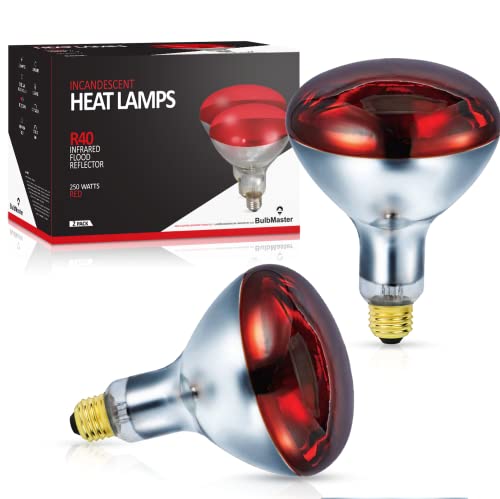
Product: BULBMASTER 250W Red Heat Lamps in a 2-pack. This R40 infrared bulb uses a medium E26 base and is designed for heating in pet spaces, brooders, and food service settings. It provides radiant heat to keep chicks and small animals warm.
Who it’s best for: Operators needing reliable, high-heat coverage across two zones or backup lighting options in poultry settings.
Why selected: The 250W rating and dual-pack format offer dependable warmth and value for ongoing broodery needs. The R40 reflector design helps direct heat where it’s most needed.
Limitations: Placement matters to avoid direct heat on perches or feed; ensure adequate ventilation in enclosed spaces.
Buying Guide: Key Considerations For Heat Lamps
- Heat needs by space: Smaller brooders benefit from 150W to 250W bulbs, while larger coops may require higher output or multiple units.
- Light vs. no-light options: If you want to avoid disrupting sleep, ceramic emitters offer heat without light, while infrared bulbs provide warmth with a red glow.
- Base type and compatibility: Most lamps use E26 bases; confirm fit with your fixture or ceramic socket to avoid compatibility issues.
- Longevity and maintenance: Look for longer-lived bulbs and materials that resist heat buildup. Pack options can reduce replacements.
- Heat distribution: Reflective coatings and parabolic reflectors improve heat efficiency. Place lamps to avoid hotspots and ensure even warmth.
- Safety and placement: Keep bulbs away from feed and bedding; ensure secure mounting to prevent falls or breakage. Use guards if needed.
- Energy efficiency: Higher efficiency bulbs can save energy over time, especially in brooders that run continuously.
FAQ
- Q: Which bulb is best for night-time warmth without light? A: Ceramic heat emitters generally do not emit light, making them ideal for night-time warmth.
- Q: How many watts should I choose for a 4×4 feet brooder? A: A 150W to 250W bulb is often suitable, depending on temperature needs and insulation; consider a second unit for even coverage.
- Q: Can I use these bulbs for reptiles as well as chickens? A: Yes, many models are designed for mixed use in pets, be sure to follow placement and safety guidelines for reptiles.
- Q: Do infrared bulbs affect chick vision? A: Red infrared light is less disruptive than bright white light, but ensure the lighting level is appropriate for your chicks.
- Q: How should I position bulbs for even heating? A: Mount bulbs above the center of the coop or brooder and angle reflectors to distribute heat to all perches and floor space.
- Q: How long can I run these bulbs continuously? A: Most bulbs support long operations, but follow manufacturer recommendations and monitor heat to prevent overheating.