When choosing a heat cable with a thermostat, look for reliable freeze protection, automatic on/off control, and compatibility with your pipe or surface. This guide highlights five top options and clarifies who benefits most from each. Ideal buyers include homeowners protecting water pipes, outdoor installations, greenhouse projects, and agricultural setups. Below is a quick summary table to compare the picks at a glance.
| Product | Brand | Best For |
|---|---|---|
| Cupohus Heat Tape for Water Pipes with Thermostat | Cupohus | Home pipes and roof/RV protection in freezing climates |
| 120V 15A Industrial Grade Heat Cable Controller | KIBOVAMO | Outdoor winter warmers and heater devices with auto on/off |
| BN-LINK Reptile Thermostat Temperature Controller | BN-LINK | Seed starting, incubators, nurseries, and multi-use heating mats |
| HEATIT 30ft Self-Regulating Pipe Heating Cable | HEATIT | Long-run pipe freeze protection for metal and plastic pipes |
| Frost King HC3A Automatic Heat Kit | Frost King | Compact, reliable freeze protection for small runs |
Cupohus Heat Tape for Water Pipes with Thermostat

The Cupohus heat tape provides automatic warmth along the entire hose length, keeping water above 59℉ (15°C) even when temperatures drop to -40℉ (-40°C). It uses self-regulating wire that activates when water falls below 41℉ (5°C) and stops at 59℉ (15°C). This setup is best for homeowners protecting outdoor hoses, metal or plastic pipes inside garages, and RV connections. A built-in safety feature includes use with a 120V supply and external GFCI to minimize overheating risk. The design ensures wires are wrapped to prevent water seepage and malfunctions in wet environments. Caution: ensure proper installation to maximize coverage and avoid exposed wiring in areas with heavy moisture or physical wear.
Who it’s best for: Homeowners seeking a straightforward, self-regulating solution for pipe and hose freeze protection, particularly where a complete coverage along a line is needed.
120V 15A Industrial Grade Heat Cable Controller
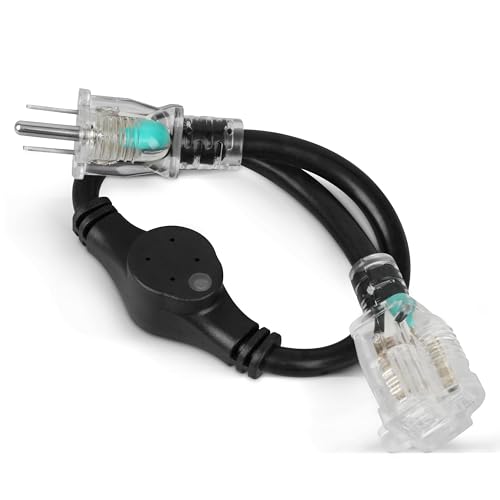
This outdoor-rated thermostat controller uses an intelligent auto-on at 37ºF and off at 50ºF, designed for winter warmers and heater devices. With 120V and 15A capacity, it supports standard 14 AWG wiring and is compatible with a wide range of heat cables. It’s best for users who need a robust control unit to pair with long cable runs or multiple devices. A limitation is that the device’s performance depends on the connected heater’s compatibility; verify that your heat cable matches the controller’s requirements.
Who it’s best for: Users who want a durable, industrial-grade controller to pair with existing heat cables and multiple outdoor devices for reliable freeze protection.
BN-LINK Reptile Thermostat Temperature Controller

BN-LINK offers an easy-to-program digital thermostat with Fahrenheit/Celsius switching and clear LED indicators. Designed for heating mats, seedling mats, and heat lamps, it provides precise control via a sensor probe and a 3.94 ft cord plus a 4.92 ft probe. This model is best for greenhouses, seed starting, incubators, or any setup needing accurate, user-friendly temperature management. Limitation: it’s intended for heating devices rather than broad appliance use, so pairing with a dedicated heat cable is essential.
Who it’s best for: Gardeners and hobbyists seeking a straightforward digital controller for plant or small animal heating projects.
HEATIT 30ft Self-Regulating Pipe Heating Cable

HEATIT’s 30-foot heat cable delivers self-regulating warmth with a 3 W/ft rating and ETL certification, ensuring safe operation from end to end. It protects both metal and plastic pipes, maintaining flow down to -40°F (-40°C). A two-foot power cord is included, with long-length options available up to 160 ft. This option is best for longer pipe runs in exposed or outdoor areas. Caveat: ensure complete certification for all lengths you intend to install; partial certification could raise compliance concerns.
Who it’s best for: Homeowners and small businesses that need a long, certified solution for pipe freeze protection across extended runs.
ThermaCord 120v Heat Cable Controller
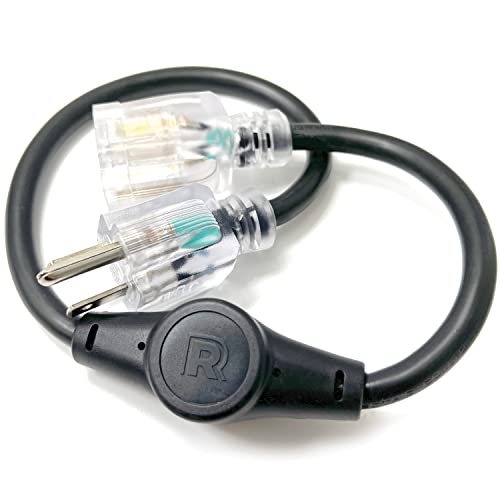
The ThermaCord controller offers weatherproof, UL-certified operation and a universal fit with all brands of heat cables. It turns heating on at 37ºF and off at 50ºF, using heavy-duty 14 AWG wiring and a 16” long profile. This model suits outdoor outlets and exposed installations where a compact, reliable thermostat is needed. One limitation is that the controller’s performance depends on the connected heat cable; verify compatibility to avoid mismatches.
Who it’s best for: Users needing a rugged, UL-listed outdoor thermostat that works with multiple heat cable brands.
Buying Guide: How to Choose the Right Heat Cable With Thermostat
Key considerations help you select a model that fits your setup and climate. First, verify the length and wattage match your pipe or hose run; longer cables require higher wattage or multiple controllers. Next, assess certification and safety; ETL/UL listings and proper GFCI use are essential for electrical safety in outdoor or damp environments. Consider installation complexity: some models are plug-in, others require hardwiring. Finally, weigh programmability against energy savings: auto on/off features save electricity but may need manual tweaks for extreme weather.
Frequently Asked Questions
- What is a heat cable with a thermostat? It is a self-regulating or controlled heating element along a pipe or surface that turns on at low temperatures and off at higher temperatures to prevent freezing.
- Is self-regulating cable safer than standard heat tapes? Yes, self-regulating cables adjust heat output based on temperature, reducing the risk of overheating.
- Do I need a GFCI outlet? For outdoor or damp locations, using a GFCI outlet improves safety by reducing shock risk in case of moisture.
- Can I install these myself? Most installations are DIY-friendly, but follow manufacturer instructions and ensure proper electrical connections and weatherproofing.
- How do I choose the right length? Measure the run that needs protection and select a cable that covers the entire distance with some overlap for uniform heating.
- Are there temperature limits I should know? Typical systems protect down to -40°F (-40°C); check the product’s specifications for exact operating ranges.