Answering the need for precise, remote-controlled heating in electric-only systems, these heat‑only WiFi thermostats are designed to manage baseboard and similar electric heating setups. They’re best for homeowners seeking energy savings, simple installation, and voice or app control. This guide highlights five models that fit common electric heating scenarios, focusing on ease of use, scheduling, and compatibility with smart home ecosystems. Each option targets different needs—from budget-friendly DIY installs to more advanced, multi‑room control. Below is a quick snapshot of how these picks compare.
| Product | Best For | Key Benefit | Limitations |
|---|---|---|---|
| Mysa Smart Thermostat LITE for Electric Baseboard Heaters | Budget-friendly, smart home lovers | Up to 26% heating savings with 7‑day scheduling | Requires 120V–240V supply; may need app familiarity |
| Aoresac Thermostat Smart Tuya WiFi Thermostat | Full weekly programming, flexible control | 6+1 daily programming, wide temperature range | Reliant on Tuya app ecosystem |
| Sensi Lite Smart Thermostat | Do‑it‑yourself installers, energy savings | ENERGY STAR certified with remote access | Common wire required for some setups |
| Heagstat WiFi Thermostat | Precise 24VAC baseboard or furnace control | Clear wiring guidance for 1H/1C systems | Not compatible with heat pumps or multi‑stage systems |
| tekmar Invita 564 Wi‑Fi Thermostat | Moderate‑to‑advanced setups, ERV/HRV integration | Two‑wire Wi‑Fi control with up to 2 stages | May be overbuilt for simple single‑stage needs |
Note: Each product is aimed at electric heating environments. Check your HVAC wiring and voltage requirements before purchasing to ensure compatibility with your existing baseboards or electric heaters.
Mysa Smart Thermostat LITE for Electric Baseboard Heaters

Mysa LITE targets electric baseboard setups with WiFi control and 7‑day scheduling. Best for: budget‑conscious homes seeking remote access via the Mysa app and voice assistants. Why selected: it connects directly to WiFi with no hub and supports popular ecosystems. Caution: some users may prefer advanced energy reports or more complex zoning features found in pricier models.
Aoresac Thermostat Smart Tuya WiFi Thermostat

Designed for broad weekly control, this model offers 6+1 programming and a wide 5–90°C range. Best for: homes needing flexible daily schedules with accurate temperature readings. Why selected: robust scheduling supports weekday, weekend, and holiday patterns. Caution: relies on Tuya app ecosystem; users should confirm app compatibility with their devices.
Sensi Lite Smart Thermostat
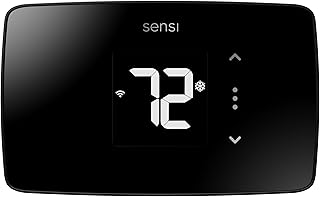
The Sensi Lite model emphasizes easy DIY installation and energy savings, with remote access. Best for: homeowners who want quick setup and useful energy reports. Why selected: ENERGY STAR certification signals efficiency, plus common features like geofencing and usage reports. Caution: a C‑wire may be required on some heat pump or heat/cool configurations.
Heagstat WiFi Thermostat

Geared toward 24VAC conventional single‑stage systems, with mandatory common wire and clear terminal guidance. Best for: homeowners with 1H/1C heat setups seeking compatibility with standard wiring. Why selected: explicit wiring notes help avoid miswiring. Caution: not compatible with heat pumps, multi‑stage, or 120–240V baseboard heaters.
tekmar Invita 564 Wi‑Fi Thermostat

Best for: advanced setups and homes with ERV/HRV systems needing integrated control. Why selected: strong compatibility with two‑wire Wi‑Fi control and two heating stages. Caution: more complex installation, potentially unnecessary for simple single‑stage electric heat scenarios.
Buying Guide
What to consider when choosing a heat‑only WiFi thermostat
- System type: Confirm you have an electric baseboard or similar electrical heat setup compatible with 120V–240V or 24VAC configurations.
- Wiring and power: Check for a C‑wire as needed; some models require it for reliable power and features.
- Scheduling needs: If you want detailed weekly programming, prioritize models with 6+1 or 7‑day scheduling capabilities.
- Smart home compatibility: Decide if you want voice control or app control via Apple HomeKit, Alexa, or Google Assistant.
- Ease of installation: DIY friendly models often include quick setup guides or built‑in levels for straightforward mounting.
- Data and control: Consider whether you need remote monitoring, usage reports, or geofencing features.
What is best for budget and energy savings?
Models with built‑in scheduling and remote access tend to offer the best balance of upfront cost and ongoing savings, especially when paired with energy‑saving features like automatic setback schedules.
What if my system is not a single stage heat?
Some thermostats support additional stages or are designed for heat/cool setups. If you do not have a simple 1H/1C system, verify compatibility before purchasing.
Frequently Asked Questions
- What is a heat‑only WiFi thermostat?
- Do these thermostats require a hub?
- Is a C‑wire always required?
- Can I install these myself?
- Will these work with voice assistants?
- What maintenance is needed?
A thermostat that controls electric heating elements without cooling or heat pump functions, typically wired to baseboard or convector heaters and can be controlled via WiFi or smart home assistants.
Most listed models connect directly to WiFi or use an app without a dedicated hub, but some ecosystems may require a compatible app or account setup.
Not always. Some models can operate with battery power, but many 24VAC setups need a common wire for reliable power and features.
Yes, many are designed for DIY installation with simple wiring. Follow the manufacturer’s wiring diagrams and safety guidelines.
Several models support Apple HomeKit, Amazon Alexa, or Google Home, enabling voice control for temperature adjustments and routines.
Regularly check for software updates via the respective apps, verify power connections, and ensure wiring remains secure after any home modifications.