When selecting a heater for a grow tent, aim for precise temperature and humidity control that supports plant growth. The ideal unit should offer stable warmth without frequent cycling, protect your plants from heat stress, and fit within your tent’s space. Below, five top options are analyzed for different grower needs—whether you want smart control, adjustable heat levels, or integration with ventilation systems. This guide helps identify who each heater suits best, from beginners to advanced setups.
| Product | Best For | Key Feature |
|---|---|---|
| VIVOSUN AeroFlux 700W PTC Grow Tent Heater | Pixel-perfect climates | VPD-aware smart thermostat |
| Spider Farmer Heater, 530W | Budget-friendly with fine control | 10-level control, dead zones |
| AC Infinity THERMOFORGE T3 | Precision with sensors | VPD/temperature control, 10 heat levels |
| AC Infinity THERMOFORGE T7 | Advanced climate management | 1000W, AI-driven adjustments |
| Space Heater WINHL 1500W | Small spaces with flexible heating | Remote, 5 modes, wide oscillation |
VIVOSUN AeroFlux 700W PTC Grow Tent Heater
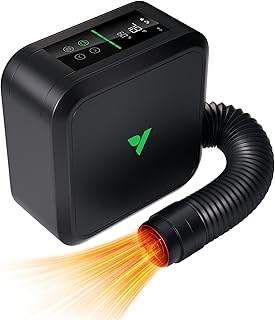
The VIVOSUN AeroFlux 700W PTC heater is designed for compact grow tents and rooms. It uses 700W of heating power, delivering 40% stronger output than standard models. This unit aims to warm tents quickly while maintaining even heat distribution. Best for growers who need responsive warmth without oversized equipment, especially in tighter spaces.
Best for: Space-constrained tents and growers who want faster temperature ramp-up. Why selected: The 700W PTC heating and five adjustable levels offer flexible climate control across growth stages. Caution: Rely on the built-in safety features (tip-over and overheating protection), but always place the unit to minimize direct contact with plant foliage.
Spider Farmer Heater, 530W
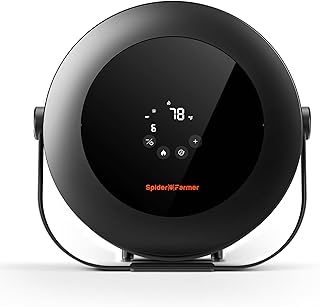
This 530W heater from Spider Farmer features 10 adjustable levels for both temperature and fan speed. It uses a temperature zone regulation design with built-in dead zones to prevent constant cycling, resulting in steadier conditions for plants. Best for: Growers wanting fine-tuned control without large power draws. Why selected: The extended range of settings helps dial in VPD and temperature; caution: the device relies on accurate space sensing for optimal results, so placement matters.
AC Infinity THERMOFORGE T3

The THERMOFORGE T3 is designed for precise climate control with onboard sensors that set VPD and temperature triggers. It offers 10 heat levels via PWM control and a corded sensor probe for accurate monitoring. Best for: Growers seeking reliable passive control with easy integration into tent setups. Why selected: The sensor-probe feedback helps maintain consistent environments; caution: keep the probe’s location away from direct heat sources for accurate readings.
AC Infinity THERMOFORGE T7

The THERMOFORGE T7 delivers 1000W of heating power with smart AI control and a multi-configuration design. It supports VPD temperature programming and 10 heat levels, plus options for fresh air intake. Best for: Larger tents or rooms that require stronger, adaptive climate control. Why selected: Higher wattage enables broader temperature stability, but caution: larger units may require more space and airflow management to avoid overheating in tight tents.
Space Heater WINHL 1500W

The WINHL portable space heater is a versatile option for indoor uses beyond grow tents, offering 1500W and several modes, including remote operation and a 12-hour timer. Best for: Growers who occasionally need supplemental heat in larger rooms or for seedling stages requiring longer warmth. Why selected: It provides strong warmth with flexible modes; caution: not specifically optimized for VPD-based plant climate control, so use it alongside tent-specific monitoring for best results.
Buying Guide
What to consider when choosing a tent heater:
- Power and space: Match wattage to tent size. Higher wattage heats larger areas but may risk overheating if not managed with ventilation.
- Control precision: Look for VPD-aware controls or sensor probes for stable humidity and temperature relationships critical to plant transpiration.
- Safety features: Tip-over protection, overheat protection, and auto shutoff are essential in small spaces with plant growth.
- Noise and footprint: Slim units with low noise are preferable in quiet grow rooms; ensure the heater fits your tent without obstructing airflow.
- Integration: Temperature sensors, extension hoses, and PWM control improve dimmable heating and better climate consistency.
Frequently Asked Questions
- What is VPD and why does it matter for grow tents? VPD (Vapor Pressure Deficit) reflects the relationship between temperature and humidity, affecting plant water uptake and growth. Heaters with VPD controls help maintain optimal plant transpiration.
- Can I use a regular space heater for a grow tent? A general space heater can be used with caution, but tent-specific models with VPD and sensor features provide more consistent results and protect plants from heat stress.
- How do I position a heater in a grow tent? Place the heater away from plant canopy and direct airflow toward open space to avoid uneven heating and leaf burn. Use sensors to monitor actual conditions.
- What safety features should I look for? Prioritize tip-over and overheat protection, automatic shutoff, and sturdy mounting options to prevent tipping or exposure to moisture.
- Is 1000W or 530W better for tent heating? It depends on tent size and climate. Use 1000W for larger tents or cooler climates and 530W for smaller tents with efficient airflow and steady control.
- Do these heaters require additional venting? In most cases, standard grow tents require proper airflow; heaters should be integrated with existing ventilation to prevent humidity buildup and maintain safe temperatures.