Looking for wall-mounted heating options that deliver steady warmth while saving energy? This guide highlights five top wall panel heaters that fit American homes. Each product is described with who it’s best for and practical tradeoffs, helping you choose the right panel for your space.
The following table offers a quick snapshot of the selected products and their key strengths. Use this as a quick-reference guide when comparing features like safety sensors, energy use, and installation options.
- Envi Plug-in Electric Panel Wall Heaters — ENVI: Safe, quiet, low-wattage with a 24/7 design.
- Wall Convection Space Heater Panel — SENMIY: Smart WiFi control, energy savings, multiple protections.
- EconoHome Convection Wall Heater with Thermostat — Updated model: 400W, easy mounting, triple insulation.
- Infrared Heater Panel 600W — ecoartheating: Graphene infrared for fast heating and air-stable warmth.
- EnviMAX 220V Hardwired Panel Heater — ENVI: Large-room comfort, 24/7 operation, fanless design.
| Product | Best For | |
|---|---|---|
| Envi Plug-in Panel | Smaller rooms or targeted heating | Quiet, energy-efficient, safe 24/7 operation |
| SENMIY Wall Panel | Smart homes with voice control | WiFi/app control, energy savings, multiple protections |
| EconoHome 400W | Medium rooms up to 120 sq ft | Triple-insulated, easy mounting, heat reflector |
| ecoartheating Infrared 600W | All-year comfort, allergy-friendly | Graphene infrared, minimal humidity loss |
| EnviMAX 1000W | Large rooms or open-plan spaces | High capacity, 24/7 safe operation, fanless |
Envi Plug-in Electric Panel Wall Heater

Best for: small-to-medium rooms and spaces where a compact, quiet heater is needed. This Envi unit uses a fan-less design and Stack Convection to deliver gentle warmth without blowing dust. It’s ideal for nurseries, bedrooms, or home offices where quiet operation matters. The 90°F cool-touch safety feature and wall-sense sensor protect kids and pets, while 24/7 operation supports continuous comfort. Caution: it remains best when installed at a safe height away from obstructions to maintain optimal airflow.
Why selected: The Envi model emphasizes low wattage and safety, making it suitable for targeted heating without central-heat reliance. Its US-made construction adds a level of assurance for domestic buyers seeking reliable insulation-friendly performance.
Wall Convection Space Heater Panel — SENMIY

Best for: tech-savvy homes that want remote control and smart scheduling. The SENMIY panel offers three control modes (remote, app, touch) and integrates with Alexa/Google Home. Energy savings come from a precise thermostat with a 1°F accuracy, and added protections (overheat, frost, tip-over) support family safety. Caution: higher upfront cost may accompany the smart features; ensure your network supports the app ecosystem you plan to use.
Why selected: This model stands out for convenience and integration, enabling programmable schedules and voice control, which can reduce energy waste in daily use patterns.
EconoHome Convection Wall Heater with Thermostat
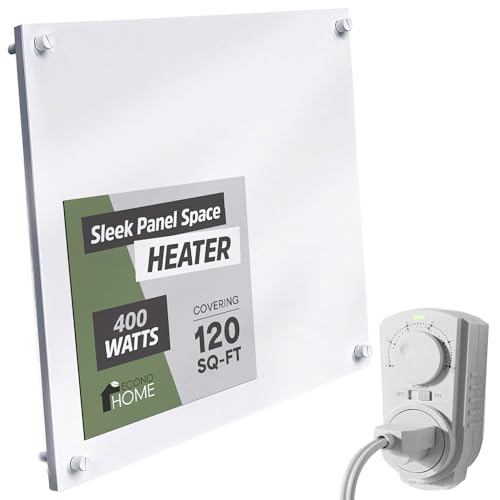
Best for: rooms up to about 120 sq ft that need steady convection warmth with a compact design. The updated triple-insulated model uses a heat reflector and simple mounting hardware for easy installation. It is 120V and includes overheat protection, making it a practical choice for homeowners seeking predictable, uniform warmth. Caution: may require professional hard-wiring in some setups; verify local electrical codes before installation.
Why selected: The triple-insulated construction and heat reflector help maximize efficiency, while the 3-year warranty signal suggests durable design for consistent use in colder months.
Infrared Heater Panel 600W — ecoartheating
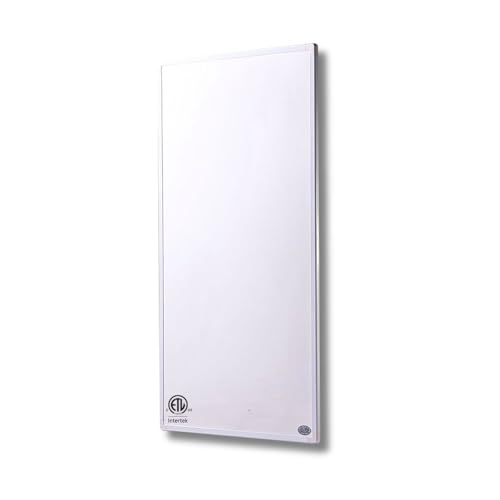
Best for: users seeking targeted infrared warmth without circulating air. The graphene heating tech enables fast heats with minimal humidity impact, making it appealing for allergy-prone households and those with respiratory concerns. It includes easy wall mounting and flame-retardant materials. Caution: infrared heating is most effective for direct line-of-sight zones; larger rooms may require multiple panels for uniform comfort.
Why selected: Infrared panels offer rapid heat delivery and improved comfort without dry air, which can be advantageous in dry winter climates and spaces where maintaining humidity is important.
EnviMAX 220V Hardwired Panel Heater

Best for: larger rooms or open layouts requiring more robust heating. The EnviMAX model emphasizes a 24/7 cooling-touch design with a safety sensor and a fanless operation for silent warmth. It is designed to supplement or replace central heating in a space-efficient, wall-mounted form. Caution: installation may require hard-wiring; verify electrical capacity and local code compliance before mounting.
Why selected: The high-capacity, fanless approach makes it suitable for spaces where quiet operation and steady heat are priorities over quick surges of warmth.
Buying Guide: Practical Considerations For Wall Panel Heaters
What room size and heating demand should guide your choice?
Calculate square footage and ceiling height to estimate wattage needs. A 400W panel typically suits small-to-mid rooms (roughly up to 120 sq ft), while higher-wattage panels (600W–1000W) are better for larger rooms or open spaces. Consider whether the space needs constant background warmth or quick bursts of heat during colder months.
Should you choose fanless versus convection or infrared panels?
Fanless and stack-convection designs (as seen in ENVI panels) provide silent warmth and reduced dust movement, which benefits bedrooms and allergy-prone spaces. Convection panels circulate air to spread heat, and infrared panels heat objects directly, delivering rapid warmth with less impact on ambient humidity. Your preference for noise, air quality, and comfort will influence the best type for your room.
What safety features matter most?
Look for cool-to-touch surfaces, wall-sensing safety switches, tip-over and overheat protections, and certifications from recognized safety bodies. Child locks and REMOTE or app controls can add convenience without compromising safety when used with households containing children or pets.
Is smart control worth the extra cost?
Smart-control panels offer scheduling, remote operation, and voice assistant compatibility, which help optimize energy usage. If you have a consistent daily routine or multiple rooms to heat, these features can lead to measurable energy savings over time.
Installation considerations
Some panels are plug-in and easy to install, while others require hard-wiring or professional assistance. Check local electrical codes and consider whether your wall structure and existing outlets support the chosen model. Hard-wired units can deliver more stable power delivery in larger rooms or in spaces where the wall outlet layout is limited.
Cost and energy efficiency
Energy savings come from lower wattage use and effective heat distribution. Compare the each-unit wattage, insulation compatibility, and whether the panel includes a heat reflector or temperature control features. Long-term savings should be weighed against upfront installation costs and potential electrical upgrades.
Maintenance and durability
Choose models with flame-retardant materials and solid mounting hardware. Fanless designs tend to require less maintenance and produce less dust circulation, which can be beneficial for allergy sufferers and households with pets.
FAQ
- Do wall heater panels require professional installation? Some models are plug-in and simple to install, while others are hard-wired and may require a licensed electrician depending on local codes.
- Can these panels heat a whole house? They are designed to supplement or replace central heating in specific zones or rooms, not to heat an entire multi-room home at once.
- Are infrared panels better for allergy sufferers? Infrared panels heat objects rather than circulating air, which can reduce dust disturbance for some users, but check room layout for effective coverage.
- Will these panels dry out the air? Most panel types aim to avoid significant air drying; however, ambient humidity can still vary with heating, so consider humidity management if needed.
- Is electrical safety a concern with wall panels? Look for UL/ETL certifications and safety sensors; ensure proper mounting away from water and moisture sources in bathrooms unless the product is specifically rated for such spaces.
- How do I choose between 400W and 1000W models? Base your decision on room size, insulation quality, and whether you need quick warm-up or steady, gradual heating over time.