Answering the search intent: choose a hot water heater anode based on compatibility, durability, and sulfur odor control. This guide highlights five reliable options to prevent tank corrosion, reduce sulfur odors, and extend tank life. Best for older tanks, homes with hard or softened water, and tight installation spaces. The quick reference table below helps compare key points at a glance.
| Product | Material | Length | Best For | Notes |
|---|---|---|---|---|
| Corro-Protec Powered Anode Rod | Powered anode (sulfur odor control) | Standard 40-89 gal compatibility | Odor elimination and hard water with corrosion issues | WQA-Certified; 20-year warranty |
| 44″ Flexible Magnesium Anode (GE/Rheem/etc.) | Magnesium | 44 inches | Most standard ¾” NPT tanks | Segmented for tight spaces |
| Ozek Anode Rod, 44 in Aluminum Zinc | Aluminum Zinc | 44 inches | Flexible design; tight spaces | Not compatible with some Bradford White models |
| Ozek Anode Rod for 44 in Magnesium | Magnesium | 44 inches | General replacement; wide compatibility | Requires standard ¾” NPT port |
| Tandefio Aluminum Anode Rod, 44 In | Aluminum | 44 inches | Corrosion protection with odor control | Zinc alloy option; wide compatibility |
Note: Each option below is presented with who it’s best for, why it was selected, and a practical caution when relevant. Use this as a quick decision aid to pick the right anode rod for your hot water system.
Corro-Protec Powered Anode Rod For Water Heaters

This powered anode rod aims to prevent corrosion and reduce sediment buildup. It claims to address rotten egg odors by actively managing sulfur-related issues in hot water. Best for households dealing with odor problems in hard or softened water. Selected for users seeking long-term corrosion protection and odor control, with a 20-year warranty and WQA certification. Caution: verify compatibility with your tank size (40-89 gallons) before purchase.
44″ Flexible Magnesium Anode Rod (24K Series)

Designed as a long, flexible replacement for many standard ¾” NPT tanks, this segmented magnesium rod simplifies installation in tight spaces. Best for homes with standard 44-inch rod compatibility and where ease of replacement matters. It supports compatibility with brands like GE, Rheem, Reliance, and more. Caution: ensure your heater supports a ¾” NPT connection and the extended length for your installation area.
Ozek Aluminum Zinc 44″ Anode Rod
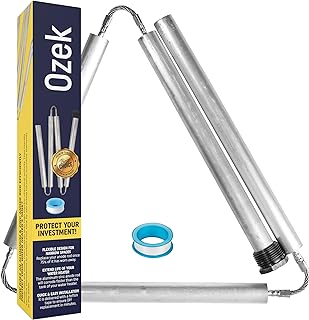
This aluminum zinc rod is designed to fit a wide range of tanks with a ¾” NPT port. Best for homeowners seeking a flexible, space-saving option that helps protect against tank corrosion. Practical limitation: confirm model compatibility, as some Bradford White heaters may not be compatible with this type of rod.
Tandefio Aluminum Anode Rod 44 In

Aluminum alloy rods provide corrosion protection with odor control while offering a 44-inch length for easier reach in larger tanks. Best for users needing extended reach and compatible with many standard ¾” NPT ports. Caution: verify odor-control expectations, as performance can vary with water chemistry.
Buying Guide
What matters most when choosing a hot water heater anode:
- Tank compatibility: Check your tank’s gallon size and the port type (usually ¾” NPT). Some products specify compatibility with 40-89 gallon tanks or require standard hex head connections.
- Material and odor control: Magnesium and aluminum/zinc alloys behave differently with water chemistry. If sulfur odors are a concern, consider a powered solution or aluminum-based rods designed to reduce odor.
- Tight spaces and installation: Segmented or flexible rods help when space is limited inside the tank. Ensure the rod length matches your heater height.
- Durability and warranty: Longer warranties and certifications (like WQA) indicate reliability. A powered rod may offer stronger ongoing protection in softened or highly corrosive water.
- Maintenance and replacement interval: Traditional magnesium rods require regular checks and replacement; powered rods claim longer life under certain conditions. Plan maintenance around water hardness and usage.
Comparison tips for buyers:
- Best for odor control: Corro-Protec Powered Anode Rod, especially in systems with rotten-egg smells.
- Best for tight spaces: 44″ flexible magnesium or aluminum zinc rods with segmented design.
- Best all-around compatibility: Magnesium rods from Ozek or tandem aluminum options that fit common ¾” NPT ports.
- Choose this if you want extended reach and simple installation in larger tanks: 44-inch rods from Tandefio or Ozek’s magnesium options.
Frequently Asked Questions
- What does an anode rod do? The anode rod protects the water heater tank by corroding preferentially to the tank metal, reducing corrosion and sediment buildup.
- Do I need a powered anode rod? Powered rods can help with odor problems and heavy sediment environments but may require more complex installation and compatibility checks.
- How long does an anode rod last? Traditional magnesium rods typically need periodic replacement; powered rods may last longer under certain water conditions, but installation specifics matter.
- Can I replace anode rods myself? Yes, with basic tools and proper shutoff procedures, though some models or spaces may benefit from professional installation.
- Will these rods reduce sulfur odors permanently? Some rods claim to manage sulfur-related odors, but effectiveness varies with water chemistry and tank design.
- How do I know which rod fits my heater? Check your tank’s gallon capacity, the port size (usually ¾” NPT), and whether your model requires a specific rod type or length.