If you’re shopping for a new hot water tank, you want options that fit your space, energy goals, and daily hot water needs. This guide highlights five practical, space-saving tanks and mini-tanks that balance fast heating, reliability, and value. Best for apartment dwellers, small families, and RV users, these picks emphasize compact design and efficient performance.
Product Snapshot
- VEVOR 12-Gallon Electric Tank Water Heater (120V) — Best for small apartments and studios.
- InSinkErator Instant Hot Water Tank (2/3-Gallon) — Best for instant near-boiling water under-sink use.
- VEVOR 30-Gallon Electric Tank (240V) — Best for small families and multi-point needs.
- VEVOR 6-Gallon Electric Tank (120V) — Best for RVs and compact spaces.
- BISELONG 2.5-Gallon Mini Tank (Under-Sink) — Best compact under-sink unit with smart features.
VEVOR 12-Gallon Point-of-Use Tank Heater

Best for: Singles or couples in small apartments who need modest hot water at multiple points. This unit uses 12 gallons, suitable for 1–2 outlets, and supports showering, handwashing, and dishwashing.
Why selected: It combines fast heating with strong insulation to reduce heat loss. A 20 mm foam layer helps maintain water temperature, and safety features include dry heating, overheat, and overpressure protections plus an IPX4 rating.
Limitations: Not ideal for high-demand usage or larger households where simultaneous use across multiple outlets is common.
InSinkErator Instant Hot Water Tank
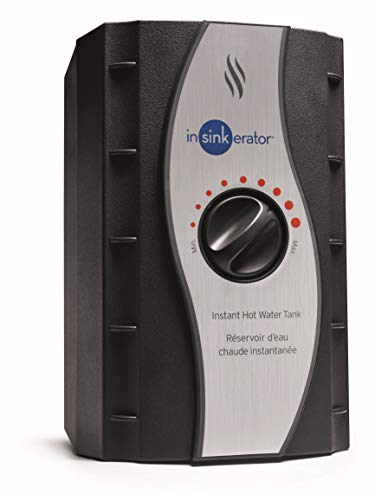
Best for: Under-sink setups needing near-boiling water quickly, such as a kitchen or coffee station.
Why selected: The 2/3-gallon stainless steel tank with a 750-W heater offers near-boiling water at the tap. It features adjustable temperature and simple DIY installation, with dry-start protection for safety.
Limitations: Capacity is limited; not suitable for simultaneous multi-point hot water needs.
VEVOR 30-Gallon Electric Tank Heater

Best for: Families of 3–5 or small commercial spaces needing multiple hot water outlets simultaneously.
Why selected: A larger 30-gallon capacity with 5000W heating offers robust performance and steady temperature, while insulation minimizes heat loss. Includes safety protections and IPX4 rating for reliability.
Limitations: Higher energy draw and larger footprint; may be overkill for single occupants.
VEVOR 6-Gallon Mini Tank for Small Spaces

Best for: Studio apartments, RVs, or as a supplementary hot water source for guest bathrooms or kitchens.
Why selected: A compact 6-gallon model with 1600W heating offers quick hot water while occupying minimal space. Proper insulation helps maintain temperature between uses.
Limitations: Not designed for heavy or simultaneous multi-point usage; capacity is limited for larger households.
BISELONG 2.5-Gallon Under-Sink Tank
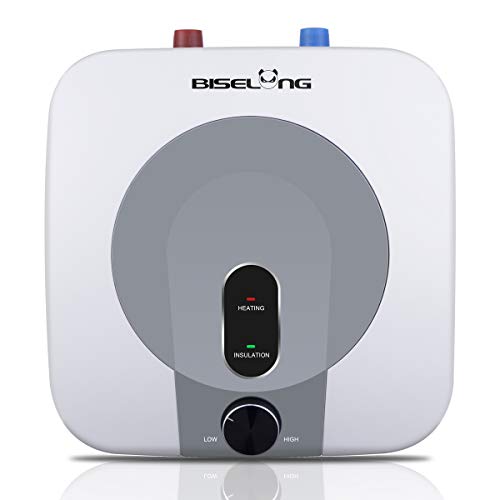
Best for: Tight spaces like under-sink installations in kitchens or bathrooms, or as a dedicated hot water supply for one outlet.
Why selected: This compact unit uses 1500W heating with an efficient 304 stainless steel tank and an L-shaped heating element for rapid recovery. It comes with a temperature/pressure relief valve and mounting kit.
Limitations: Small capacity means it’s best for light-duty use or supplementary hot water only.
Buying Guide
What size should you choose?
Consider the number of outlets and daily hot water usage. 6–12 gallons cover basics in apartments; 20–30 gallons fit small families with multiple outlets. Under-sink mini-tanks are ideal for point-of-use needs.
How to compare heating power?
Heater wattage affects recovery speed. Higher wattage (1500–5000W) heats water faster but draws more electrical current. Match the unit’s power to your circuit capacity and plan for dedicated circuits if needed.
What about insulation and efficiency?
A thicker foam insulation layer reduces heat loss and lowers energy costs. Look for at least 20 mm insulation and an enamel interior for durability and corrodion resistance.
Safety and installation considerations
Check for built-in protections like dry heating, overheating, overpressure, and IPX4 waterproof ratings. Under-sink units should fit standard plumbing sizes (1/2″ NPT is common) and be easy to install with included hardware.
Multi-point versus single-point use
Single-point units support one or two outlets effectively, while larger tanks support multiple outlets for simultaneous use. Plan for where the hot water is consumed most in your home or vehicle.
Frequently Asked Questions
- What size hot water tank do I need for an apartment? A 6–12 gallon model often covers basic needs, while a 12–30 gallon tank suits small families or multi-point use.
- Can these tanks be installed under a sink? Yes, several models are designed for under-sink or point-of-use installation with standard plumbing connections.
- Do mini tanks heat water quickly? Many models use high-wattage elements to recover rapidly, often delivering hot water within minutes after demand.
- Is energy efficiency important for small spaces? Yes. Well-insulated tanks reduce standby heat loss and lower ongoing energy costs, especially in apartments.
- What safety features should I expect? Look for dry-start protection, overheat protection, overpressure protection, and splash-resistant ratings for added safety.
- What is the difference between point-of-use and whole-tank setups? Point-of-use units serve a single faucet or small area, while whole-tank systems provide hot water to multiple outlets simultaneously.