Answering your search for efficient hot water wall heaters, this guide highlights five solid options. These products are best for homes needing space-saving, wall-mounted warmth or point-of-use hot water with minimal downtime. Ideal buyers include small apartments, kitchens needing quick hot water, and retrofit projects where silent operation matters. The following quick-reference table compares who each heater is best for, plus a concise snapshot of key strengths.
| Product | Best For | Key Benefit |
|---|---|---|
| AB Wall-Mounted Radiator Heater (8 Panels) | Compact rooms; quick warming | Quiet operation; durable aluminum |
| AB Wall-Mounted Radiator Heater (10 Panels) | Larger spaces; consistent warmth | Higher BTU output |
| BOSCH Tronic Mini-Tank ES2.5 | Under-sink hot water; point-of-use | Fast, efficient; easy installation |
| ThermoMate ES250 Mini Tank | Small kitchens; compact spaces | High efficiency; durable elements |
| Q-Hillstar 6-Panel Aluminum Radiator | Quiet, energy-conscious homes | Low-noise operation; good heat distribution |
AB Wall-Mounted Radiator Heater With 8 Panels
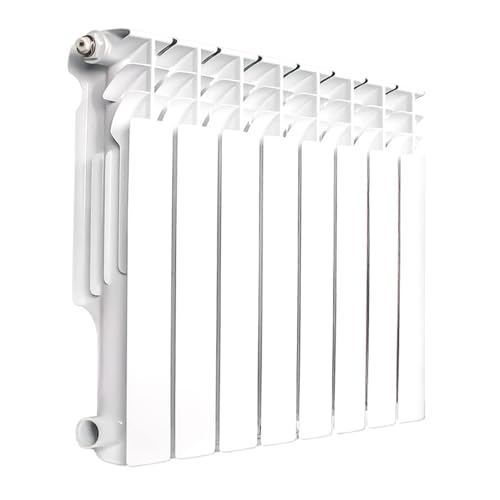
The 8-panel AB heater delivers up to 4,616 BTUs. Side air vents improve air circulation and radiation efficiency, helping the unit reach set temperatures quickly. Best for small-to-medium rooms where space is at a premium. The aluminum body is scratch-free and highly conductive, with baking paint to resist peeling and corrosion. It operates quietly, making it suitable for bedrooms and offices. A limitation is that it is not compatible with steam systems, so rely on hot water heating only. This model is ideal for users who value compact design and easy maintenance.
AB Wall-Mounted Radiator Heater With 10 Panels

This larger 10-panel model can produce up to 5,768 BTUs, making it well-suited for bigger rooms or spaces that require quicker, steadier warmth. It features side air vents to boost circulation and heat transfer. The aluminum construction provides durability and rapid heating, with a baked-paint finish that resists peeling and makes cleaning straightforward. It’s designed to operate quietly and maintain comfortable indoor warmth without drying skin or eyes. Choose this if you need stronger heat delivery in a wall-mounted form factor and a robust build.
BOSCH Electric Mini-Tank ES2.5
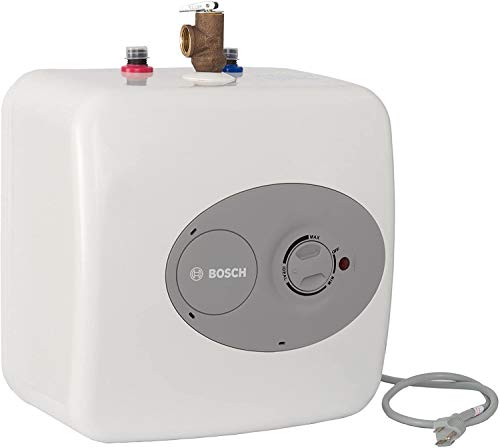
This 2.5-gallon point-of-use mini-tank sits under a sink to provide hot water where needed. It offers high thermal efficiency at 98% and has a compact footprint (13.75 W x 13.75 H x 10.75 D inches). It’s designed for independent installation via a 36-37 inch cord into a 120V outlet, making it a flexible option for localized hot water needs. Best for small sinks, kitchens, or bathrooms where space is limited. Limitation: 2.5 gallons may require more frequent refills in high-demand scenarios.
Electric Mini Tank ES250 By ThermoMate

The ES250 delivers 2.5 gallons with instant hot water on demand and a 1440W heating element. Temperature is adjustable from 50°F to 149°F, with improved insulation (30mm thick, odor-free polyurethane) to maintain warmth longer. The tank features a fused porcelain enamel glass lining and a robust anode rod for durability. It also uses an Incoloy 800 stainless steel heating element for corrosion resistance. Best for kitchens or small spaces where reliable hot water is needed quickly. Caution: ensure proper venting and electrical setup in tight installations.
2.5 Gallon Electric Mini Tank With Digital Display

This 2.5-gallon under-sink heater offers a digital display and a 1/2″ NPT connection for straightforward plumbing. It includes a pressure relief valve and a temperature range from 86°F to 149°F with a 1500W element for fast recovery. Best for upgrades to existing under-sink setups, hair salons, or RVs where quick hot water is needed without a full-size tank. Limitation: under-sink mounting may require careful space planning in compact cabinets.
Feelrogast Electric Tank Water Heater – 8 Gallon

The Feelrogast 8-gallon unit is designed for instant hot water in RVs, campers, or small kitchens. It features a 316 stainless steel heating element with adjustable temperature, and a dual-insulation approach to minimize heat loss. The design emphasizes safety with multiple protective features. Best for mobile or compact setups that require a larger hot water reservoir than a mini-tank but still prioritize space efficiency. Caution: ensure proper installation for high-traffic locations to avoid rapid wear.
Buying Guide
- What is your hot water need? Choose a small tank for point-of-use tasks, or a multi-panel radiator for whole-room comfort.
- Where will you install? Wall-mounted units save space but require secure mounting and appropriate clearances.
- Water capacity vs. heating speed: larger BTU output heats faster but may consume more energy; balance with room size and climate.
- Electrical or plumbing considerations: mini-tanks require outlets, while wall radiators rely on your central system; confirm compatibility and water pressure ratings.
- Durability and maintenance: look for corrosion-resistant materials, easy-to-clean surfaces, and testable pressure ratings.
- Safety features: temperature controls, pressure relief, and insulation quality help prevent accidents and energy waste.
Frequently Asked Questions
- What is a hot water wall heater best for?
Best for space-saving heating in living areas, kitchens, or bathrooms where wall mounting and quick warmth are priorities.
- Do mini-tank heaters work for entire homes?
No, they’re typically point-of-use solutions designed to deliver hot water quickly at a specific location.
- Is aluminum a good material for wall radiators?
Yes, aluminum offers light weight, good thermal conductivity, and resistance to corrosion, aiding efficient heat transfer.
- What maintenance is required?
Regular inspection for leaks, checking connections, and ensuring vents or surfaces are clean helps maintain efficiency.
- Which unit should I pick for a small apartment?
Choose compact, under-sink or small-wall radiators with 2.5–4 gallon capacity for reliable, localized hot water or room heating.
- Are there safety considerations for high-pressure systems?
Yes, ensure proper pressure ratings and a professionally installed relief valve to prevent over-pressurization.