Looking for a hydronic wall heater with a built-in blower? This guide highlights five top options that blend hot-water heating with forced-air distribution, targeting spaces from garages to living rooms. Each choice suits different needs: compact cabinet heaters for tight nooks, high-capacity units for workshops, and standard wall heaters for everyday warmth. Use the quick comparison table below to narrow down options, then read detailed sections to understand who benefits most from each model.
| Product | |||
|---|---|---|---|
| Beacon Morris W42 Cabinet | Cabinet (heating unit not included) | Small spaces, retrofits where furnace is separate | Requires compatible hydronic heater |
| ALORAIR H50A Hydronic Hanging Heater | Hanging hydronic heater with blower | Garages, workshops needing steady temp control | Multiple installation options |
| ALORAIR H100A Hydronic Hanging Heater | Hanging hydronic heater with blower | Medium-to-large spaces, faster heat delivery | Higher capacity, energy-efficient |
| Broan-NuTone Wall Heater | Built-in thermostat, 750/1500W | Residential rooms needing supplemental heat | Simple wiring and thermostat control |
| Vikua 198 High Capacity Wall Heater | High-capacity wall heater, 4000W/240V | Larger rooms, quick warm-up | Versatile voltage options |
Beacon Morris W42 Hydronic Kickspace Cabinet
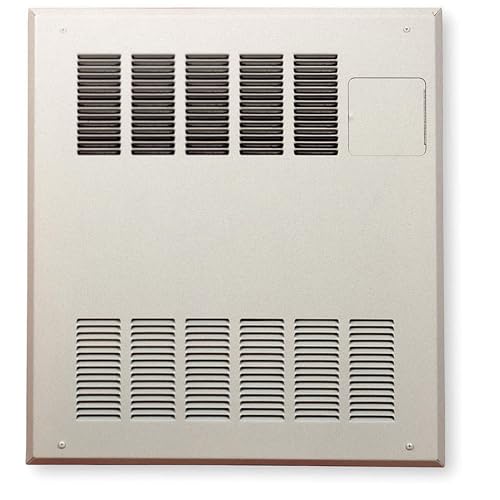
The Beacon Morris W42 is a cabinet-style enclosure designed to house a hydronic heater. This model is best for owners who want a discreet retrofit option where a separate heater is already selected. Best for compact spaces or basement nooks where the heater can be placed out of sight while still delivering warm air via integrated ductwork. Caution: the cabinet is listed as cabinet only, so the actual heating unit must be sourced separately to complete installation.
ALORAIR H50A Hydronic Hanging Heater

Best For garages, workshops, and light industrial spaces where a mid-range heat output is sufficient. The H50A features galvanized steel housing and aluminum tubing, delivering efficient heating with up to 30% lower energy consumption than traditional electric heaters. It supports four connection types—Copper Welding, Push-to-Connect, Male Thread, and Female Thread—allowing flexible integration with hot water or steam systems. A smart auto temperature control starts the fan when the preset temperature is reached and stops when cooling, reducing energy use. Caution: installation complexity increases if your plumbing layout is non-standard.
ALORAIR H100A Hydronic Hanging Heater

Choose this if you need higher heat output for larger garages or warehouse-like spaces. The H100A matches the H50A’s versatile installation options and adds a higher capacity blower (1000 CFM). Its heavy-duty construction and hot-water energy heating provide faster warming and better heat distribution. Caution: higher upfront size and electrical considerations may apply for installation in tighter spaces.
Broan-NuTone Wall Heater

This Wall Heater with built-in adjustable thermostat is a practical option for living spaces needing supplemental warmth. It operates at 2000W on 240V or can be set to 1000W on 240V, giving flexibility for different room sizes. It uses a downflow design to direct heat toward the floor. Best For: smaller to mid-sized rooms where a simple, reliable heat boost is desired. Limitation: it may not be ideal for very large spaces without additional heating sources.
Vikua 198 High Capacity Wall Heater

Best For larger rooms or spaces requiring rapid warm-up, the Vikua 198 operates at 4000W/240V and can switch to 2000W in 120V mode. It includes a front-mounted rotary thermostat for straightforward control and a heavy-duty design with a permanently lubricated motor and high-efficiency blower. It’s compatible with Broan 198 models and can provide substantial heat quickly. Caution: higher power draw means ensuring electrical circuit capacity is adequate.
Buying Guide
What should you consider when choosing a hydronic wall heater with a blower?
- Heat output vs space size: Larger rooms need higher BTU output or wattage. Match the unit’s capacity to the room size for even comfort.
- Installation type: Hanging units offer flexible placement; wall-mounted units save space. Ensure your plumbing can support hot-water or steam flow as required.
- Controls and automation: Look for automatic temperature control and a reliable thermostat. Remote or wall controls add convenience for frequent adjustments.
- Energy efficiency: Hydronic systems typically save energy by using hot water to deliver heat with a blower. Compare energy-use features and installation costs.
- Maintenance: Consider accessibility for service and the availability of replacement parts, especially for older or specialty models.
- Electrical requirements: Confirm electrical capacity and voltage compatibility for any integrated blower or heater you plan to use.
Common buyer questions
- What is a hydronic wall heater with a blower?
It uses hot water circulated through tubing to generate heat and a blower to distribute warm air in the room. - Who should consider a hanging hydronic heater?
Ideal for spaces with exposed ceilings or where vertical installation is preferred, such as garages and workshops. - Can these units heat large rooms?
Yes, high-capacity models like the H100A or Vikua 198 offer stronger output suitable for larger spaces. - Are there safety considerations?
Ensure proper ventilation, correct electrical wiring, and regular maintenance to prevent overheating or leaks. - Do they require a compatible boiler or hydronic system?
Most models assume an existing hot-water or steam system; cabinet options require compatible heaters to be installed separately. - What installation flexibility exists?
Four connection types in some ALORAIR models allow flexible integration with various plumbing layouts.