If you’re trying to prevent frozen water pipes, in-pipe heat tape offers reliable freeze protection for hidden or exposed plumbing. This guide highlights five top options, tailored to different setups—from internal, in-wall installations to external, exposed applications. The best picks cover internal and external use, varying lengths, and smart self-regulating features. Suitable buyers include homeowners protecting outdoor taps, contractors handling buried pipes, and property managers overseeing multiple lines. The table below compares core specs to help decide quickly.
| Product | Length | Best For | Key Benefit |
|---|---|---|---|
| WABUPD 3FT-200FT Heat Tape | Multiple lengths up to 200 ft | Outdoor/Industrial setups | Thermostat and metal retainers for long-term adhesion |
| Cupohus 12FT Heat Tape | 12 ft | Residential hose lines | Automatic on/off with thermostat and GFCI safety |
| YeloDeer CSA 120V 10 Ft In Pipe Heating Cable | 10 ft | Internal pipe installations | CSA certified, self-regulating inside pipes |
| MAXKOSKO 6ft Self Regulating | 6 ft | Short runs and tight spaces | Self-regulating with 5W/ft, included 3 ft cord |
| JDZKOMKE 50FT Pipe Heating Cable | 50 ft | Buried or outdoor pipes | Industrial-grade construction, IP67, full insulation |
WABUPD 3FT-200FT Heat Tape For Water Pipes
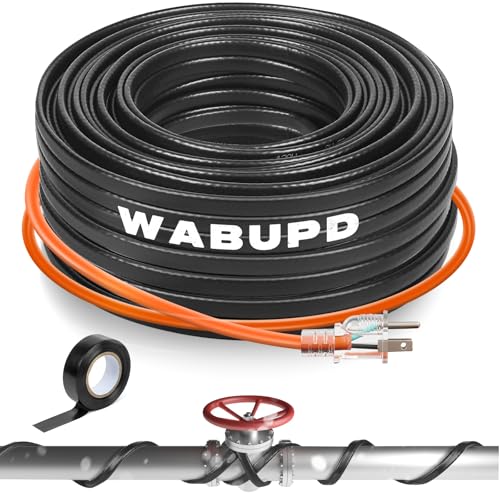
The WABUPD heat tape is designed for wide applications from roofs to water pipes, offering 120V operation, 8W per foot, and a thermostat for automatic on/off. It comes with metal retainers to minimize the risk of detachment in winter. Best for: outdoor pipes, roofs, or industrial lines needing durable attachment and visible control. Limitation: external use durability may vary with extreme UV exposure depending on installation site.
Cupohus 12FT Heat Tape With Thermostat

Cupohus Heat Tape provides 12 ft of heating with a thermostat and GFCI safety. It aims to keep hoses above 59°F (15°C) even when ambient temperatures plummet to -40°F, ensuring water flow. Best for: residential hoses and short runs where energy-saving and safety are priorities. Limitation: longer runs may require additional controllers or multiple units for full coverage.
YeloDeer CSA 120V 10 Ft In Pipe Heating Cable

YeloDeer offers an in-pipe heating solution with CSA certification under 2026 standards. Installed inside the pipe, it provides internal freeze protection with self-regulating technology that adjusts power output. Best for: buried or wall-encased pipes where external tapes fail. Limitation: internal installation may require professional routing through the pipe and may not suit all pipe materials.
MAXKOSKO 6ft Self Regulating Heat Tape

MAXKOSKO’s 6 ft self-regulating tape ships with a 3 ft power cord. Operating at about 5W per foot, it automatically grows warmer as needed and reduces power when not required. Best for: short-length pipes or tight installations where a compact solution is needed. Limitation: shorter length requires careful planning for full coverage of longer pipes.
JDZKOMKE 50FT Pipe Heating Cable

JDZKOMKE’s 50 ft cable offers broad coverage with a heavy-duty build. It features aluminum shield and TPE jacket with IP67 rating, designed for moisture-rich environments. Best for: longer runs or exterior applications where durability and environmental protection are crucial. Limitation: longer installation may require careful routing and additional protection against physical wear.
Buying Guide
What should I consider when choosing pipe heat tape?
- Length and coverage: Match the pipe length to the heating tape length, ensuring continuous coverage with overlap if needed.
- Installation environment: External exposure vs internal pipe installation changes material choices and safety requirements.
- Temperature range and thermostat: Look for built-in thermostats and self-regulating technology to save energy and prevent overheating.
- Safety certifications: CSA or UL listings indicate electrical and water safety; internal systems may require compliance with plumbing codes.
- Power source and cord length: Ensure the included power cord reaches the outlet without creating tripping hazards or exposure to elements.
- Durability features: Weatherproof jackets, UV resistance, and armor help with outdoor or exposed installations.
Practical Buying Questions
- Is self-regulating heat tape better than non-regulating for freeze protection? Yes, it reduces energy use and lowers the risk of overheating by adjusting heat as needed.
- Should I choose internal in-pipe heating versus external heat tape? Internal systems protect buried or wall-encased pipes where external tapes may be less effective.
- Can a heat tape be used on PVC or copper pipes? Most tapes are compatible with common pipe materials, but confirm the product’s listed compatibility.
- Do these tapes require professional installation? Internal installations often benefit from professional routing, while external tapes can be DIY with careful adherence to instructions.
Frequently Asked Questions
- Q: Will heat tape keep water flowing in extremely cold weather? A: It provides freeze protection by warming pipes, but extreme conditions may require combined approaches (insulation, heat tracing, and drainage).
- Q: How do I prevent electrical hazards with pipe heat tape? A: Choose UL/CSA certified products, follow cooling and gap guidelines, and use GFCI outlets where applicable for outdoor or damp locations.
- Q: Can heat tape be used on gas lines or fuel pipes? A: No, most products specify not to use on fuel lines due to safety concerns.
- Q: What maintenance is needed for heat tape installations? A: Periodic inspection for wear, moisture intrusion, and ensuring connectors remain intact helps maintain safety and effectiveness.
- Q: How long can heat tape run continuously? A: Self-regulating tapes are designed to minimize continuous high-output heat, but always follow manufacturer guidelines for duty cycles and weather exposure.