Indoor rated propane heaters provide portable, low-noise warmth when electricity is unreliable or you need extra heat in a workshop, garage, or living space. This guide highlights five top options, each suited to different spaces and user needs. Use the quick comparison table to spot strengths at a glance, then read detailed product insights to choose confidently.
Product Comparison at a Glance
| Product | Room Size Approx. | Best For | Notes |
|---|---|---|---|
| Mr. Heater 18,000 BTU Big Buddy PRO Series Heater | 600–900 sq ft | Medium to large rooms, workshops | High output; portable; needs ventilation |
| Gasland MHA18BN Propane Radiant Heater | Up to 450 sq ft | Smaller spaces, garages | Low electricity use; includes safety shutoffs |
| ProCom ML100TBAHR 10,000 BTU | 300–600 sq ft | Smaller rooms, ice house use | Thermostat control; ventless |
| Mr. Heater 9,000 BTU Portable Buddy Radiant Heater | Up to 225 sq ft | Compact spaces, tents, small workshops | Portable; dual BTU options |
| Duluth Forge QSL250T Ventless 25,000 BTU | 1,100 sq ft | Larger living areas, open floor plans | High BTU; ventless with thermostat |
Mr. Heater 18,000 BTU Big Buddy PRO Series Heater

Best for: medium to large rooms, garages, or workshops where reliable, high-output heat is needed. This unit provides substantial warmth with portability, but requires adequate ventilation per indoor use guidelines.
Why selected: High BTU output covers larger areas efficiently, making it a go-to option for owners seeking robust space heating without electrical dependence. The PRO series emphasizes durability and consistent radiant heat.
Limitations: Use in well-ventilated spaces to avoid buildup of combustion byproducts. Heavier and larger than compact models, so placement matters for clearance and safety.
Gasland MHA18BN Propane Radiant Heater
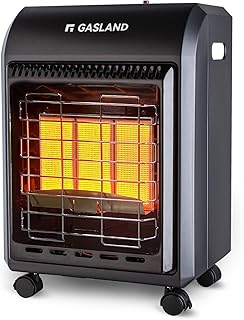
Best for: smaller, ventilated spaces like compact garages or workshops where electricity is limited or unavailable. Ideal for quick, spot heating without cords.
Why selected: This model emphasizes safety with tip-over and low-oxygen shut-off features, reducing risk in semi-enclosed areas. It runs off a standard LP cylinder and requires no electrical power.
Limitations: Best for smaller rooms; not ideal for large spaces. The heater’s radiant design means heat is focused near the unit and may not uniformily warm distant corners.
ProCom ML100TBAHR Ventless Ice House Heater

Best for: smaller rooms or ice houses where a compact, thermostat-controlled unit is preferred. It operates without electricity, which is advantageous during power outages.
Why selected: Thermostat control enables steady warmth with adjustable settings. Its ventless design simplifies installation in tight spaces.
Limitations: Lower BTU output means it’s less suited for larger or heavily insulated spaces. Requires proper ventilation per use guidelines.
Mr. Heater Portable Buddy Radiant Heater

Best for: compact spaces, camping, or temporary warmth in small rooms. The dual BTU options offer flexibility for different needs.
Why selected: This model provides portable radiant heat in a small footprint with easy setup, making it a versatile option for travel or quick-room heating.
Limitations: Heating coverage is limited to roughly 225 square feet, so it’s not ideal for larger living areas.
Duluth Forge Ventless 25,000 BTU Gas Stove

Best for: larger living areas or open-plan spaces where substantial warmth is desired. This unit mimics a traditional fireplace with modern ventless efficiency.
Why selected: High BTU output heats up to about 1,100 square feet, providing substantial warmth without a chimney. Thermostat control allows adjustable comfort levels.
Limitations: Ventless operation requires proper room ventilation and adherence to manufacturer guidelines for safe use in living spaces.
Buying Guide: Key Considerations for Indoor Propane Heaters
What space size should guide your choice?
Calculate the heated area in square feet and compare to the heater’s recommended room size. Larger spaces require higher BTU capacities to maintain comfort efficiently. For smaller rooms, a compact model with thermostat control is often the best pick.
Ventilation and safety: what matters?
Indoor rated propane heaters should be used only in ventilated spaces. Look for features such as low-oxygen shut-off and tip-over protection. Ventless designs are convenient but require space with adequate air exchange to maintain air quality.
Electrical dependence and portability
Some models rely on electricity for fans or controls, while others run purely on propane. If power outages are common, a non-electric option may be advantageous. Portability matters for garages, workshops, and tents; consider weight and handle design.
Thermostat control and comfort features
A thermostat helps maintain a consistent temperature and can reduce fuel consumption. Units with adjustable heat settings provide flexibility for different room temperatures and insulation levels.
Installation and clearance
Follow clearance requirements from the manufacturer. Keep combustibles away, ensure proper ventilation, and place units on stable, level surfaces. Some units include integrated cabinets or housings; others require freestanding placement.
Cost of operation and maintenance
Propane cost varies by region. Compare BTU efficiency and runtime estimates when available. Routine checks for gas lines, hoses, and regulators help prevent leaks and ensure safe operation.
FAQ
- Are indoor propane heaters safe for living spaces? Yes, when used in ventilated areas and with safety features like tip-over and low-oxygen shut-off. Always follow the manufacturer’s guidelines for safe operation.
- Do these heaters require electricity? Some models operate without electricity, while others use it for fans or controls. Choose based on reliability needs during outages.
- What size room can these heaters heat? It depends on BTU rating and space insulation. Larger units (e.g., 18,000–25,000 BTU) heat bigger rooms, while smaller units suit compact spaces.
- Can I use a propane heater in an insulated garage? Yes, if the space is ventilated and compliant with safety guidelines. Avoid sealing the area too tightly to ensure adequate air exchange.
- What maintenance is required? Regular inspections of hoses/regulators, ensuring proper venting, and storing propane cylinders safely when not in use are recommended.
- Which heater is best for a cold workshop? A higher BTU model like the 18,000–25,000 BTU range typically provides better coverage for open-workshop spaces.