Find the right inline thermostat for your electric heater with precise temperature control and simple installation. This guide highlights five top options suited to different setups—from rugged mechanical dials for quick adjustments to smart Wi‑Fi models that save energy. Ideal buyers include homeowners replacing a broken unit, renters seeking plug‑in solutions, and small business operators needing reliable baseboard temperature management.
| Product | Voltage Range | Best For | Key Benefit |
|---|---|---|---|
| YeloDeer 240V 4-Wire | 240V | Homes with 240V baseboard systems | High accuracy with 40°F–80°F range |
| Stelpro SWT1F | 240V | Commercial or mixed-use spaces | Mechanical dial for simple control |
| YeloDeer 110V-265V 4-Wire | 110–265V | Variable voltage installations | Wide voltage range, accurate control |
| Dr. Infrared DR-001 | 120–277V | Wall-mounted, versatile power | High wattage support with C and F dials |
| Mysa Smart Thermostat Lite | 120–240V | Smart homes | Wi‑Fi, scheduling, and voice assistant support |
YeloDeer 240V Manual Baseboard Thermostat

The YeloDeer 240V four‑wire model is designed for baseboard heaters with a flush, minimal footprint. It emphasizes precise electronic control and a wide 40°F to 80°F (4.4°C to 26.7°C) range, suitable for spaces that require steady comfort. Best for: homes with 240V baseboard systems that need accurate adjustments and a clean wall presence. Caution: ensure your wiring matches a 4‑wire setup to avoid compatibility issues. The large knob makes temperature adjustments straightforward for daily use.
Stelpro SWT1F Mechanical 240V Thermostat

The Stelpro SWT1F is a single‑pole, mechanical thermostat compatible with a broad range of heating products, including electric baseboards and wall heaters. Best for: spaces needing a straightforward, no‑power-consumption control with reliable dial adjustments. Why chosen: its wide compatibility and simple two‑wire installation suit both residential and light commercial applications. Limitation: lacks electronic precision, so temperature consistency may vary with room conditions compared to digital models.
YeloDeer 110V–265V 4‑Wire Thermostat

This YeloDeer model supports a broad voltage range (110V–265V) with 4 wires and a 40°F–80°F control span. Best for: installations where voltage may vary or adapters are used, providing precise electronic control across 120V and 240V systems. Choose this if you require cross‑voltage compatibility in a retrofit. Caution: verify your heater’s terminal requirements and mounting compatibility before purchase.
Dr. Infrared Heater DR-001 Wall Thermostat
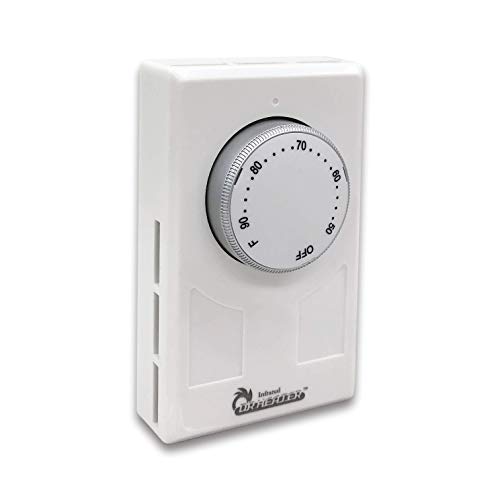
The DR-001 thermostat supports 120–277V with a high wattage range, designed for wall‑mounted setups. Best for: spaces needing a robust, wired control for electric heaters with 3360W at 120V up to 7756W at 277V. Important: this model includes both C and F control dials, aiding precise setpoint selection. Caution: wall mounting is required—not ideal for renter installations where mounting isn’t permitted.
Mysa Smart Thermostat Lite
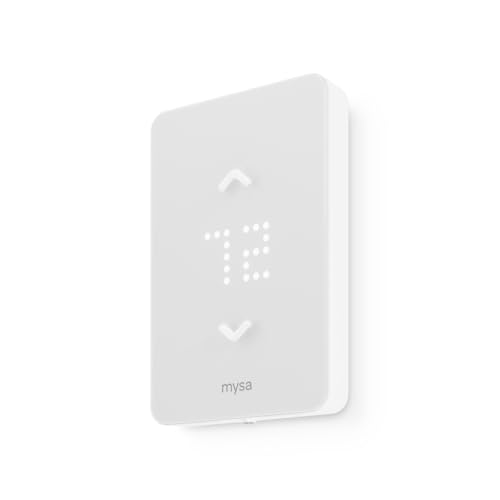
The Mysa Smart Thermostat Lite brings Wi‑Fi connectivity, app control, and voice assistant compatibility for 120–240V baseboard heating. Best for: smart‑home enthusiasts who want scheduling, remote control, and energy insights. Why chosen: it supports HomeKit, Alexa, and Google—enabling seamless integration into existing ecosystems. Caution: advanced features require a stable Wi‑Fi connection and a supported mobile device or voice assistant setup.
Gulfmew Plug‑in Thermostat Outlet

Gulfmew offers a plug‑in thermostat outlet with 41–86°F control, rated for 125VAC and up to 1500W. Best for: portable heaters or space heaters in small rooms where a fast, plug‑in solution is required. Pros: simple plug‑and‑play operation and a clear LED indicator. Limitation: not designed for high‑wattage baseboards or continuous heavy loads beyond its rating.
Buying Guide: Inline Thermostats For Electric Heaters
- What type is best for my setup? Mechanical dials (no power) are simple and reliable; digital/programmable models offer precision and automation; smart thermostats provide remote control and energy insights.
- What voltage range do I need? Match the thermostat to your heater’s voltage: common options include 120V, 240V, or broad ranges like 110–265V for versatility.
- Do I need a plug‑in or hardwired solution? Plug‑in models are renter‑friendly and easy to install; hardwired units are typically more permanent and may require electrical work.
- How important is energy saving? Smart and programmable thermostats can cut energy use through scheduling and adaptive control, especially in rooms you don’t use constantly.
- What about installation notes? Check mounting type (flush wall mount vs. plug‑in outlet), wire compatibility (2‑wire vs. 4‑wire), and maximum wattage, especially for high‑output heaters.
FAQ
- What is an inline thermostat? A device installed in series with an electric heater to regulate temperature by switching power at setpoints.
- Are digital thermostats more accurate than mechanical? Generally yes; digital models often offer tighter temperature control and features like scheduling.
- Can I install these myself? Many plug‑in models are DIY friendly; hardwired units may require a licensed electrician depending on local codes.
- Will a smart thermostat work with my existing system? Most Wi‑Fi thermostats support standard baseboard and panel heaters, but confirm voltage and wiring compatibility.
- Do these work with old or radiant electric heaters? Some are designed for baseboards and wall heaters; verify the product’s compatibility with your heater type.
- Is there a risk of overloading circuits? Always check the maximum wattage rating and ensure your circuit can handle the load safely.