Looking for a kerosene heater that can reliably warm a garage without relying on electricity? This guide highlights five top options that balance heating power, safety features, and practical use in garages or for emergency back-up heat. Each option is suitable for different garage sizes and usage needs, from compact spaces to larger workshops. Read on to compare suitability, fuel needs, and key considerations to help you choose.
Buyer snapshot table (selected products):
| Product | Best For | Approx. BTU / Heat Area | Key Benefit |
|---|---|---|---|
| Dyna-Glo WK24BK | Medium garages up to 1,000 sq ft | 23,000 BTU/hr | No electricity needed; compact design |
| Sengoku HeatMate HMC-23K | Emergency or versatile indoor/outdoor use | 23,500 BTU | Safety features and long runtime per fill |
| CRAFTSMAN 80,000 BTU | Large garages or workshops | 80,000 BTU/hr | High heat output for big spaces |
| Mr. Heater 220,000 BTU | Very large spaces or extreme cold | 220,000 BTU | Extended coverage and robust heating |
| VEVOR 45,000 BTU | Dense, diffused heat in mid-size spaces | 45,000 BTU | Fast warmth with efficient fuel use |
Dyna-Glo WK24BK 23,800 BTU Indoor Kerosene Convection Heater
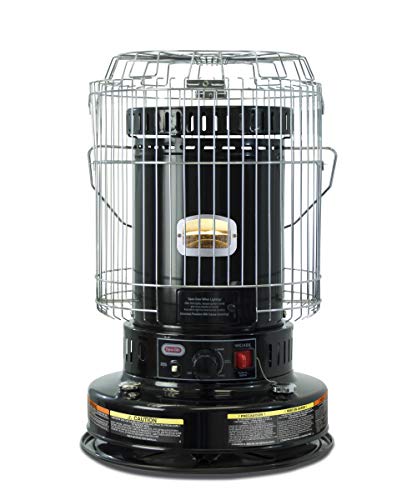
Best for: Medium garages or spaces up to 1,000 sq ft where electricity is limited. This model delivers 23,000 BTU per hour without needing electrical power, making it a straightforward option for backup heat or temporary heating during cold spells.
Why selected: It offers solid warmth with a simple, convection-based design. Its no-electricity feature is advantageous in situations where power is unreliable. Potential limitation: heating efficiency can depend on fuel quality and room airtightness.
Caution: Ensure proper ventilation and use only in well-ventilated spaces to avoid buildup of combustion byproducts. Follow all safety guidelines for kerosene heaters.
Sengoku Indoor & Outdoor HeatMate HMC-23K
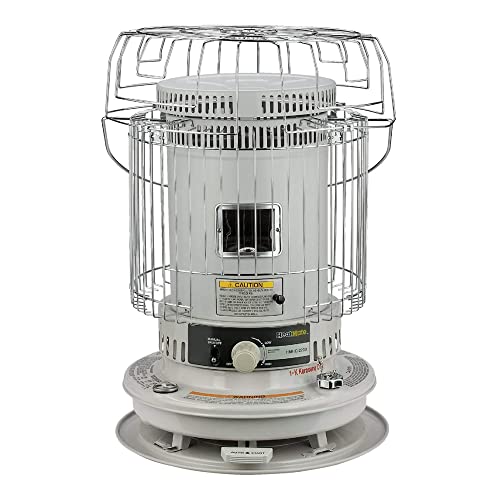
Best for: Versatile heating for both indoor rooms and outdoor spaces like garages, basements, or campsites. The 23,500 BTU output heats up to about 1,000 sq ft, with a long runtime per fill and multiple safety features.
Why selected: Notable for its all-around safety features including automatic shut-off and tip-over protection. Better for spaces where occupants include children or pets. Limitation: Heavier unit with extended heat source may require more setup space.
Caution: Operate only in well-ventilated areas to minimize exposure to combustion byproducts. Keep away from flammable materials.
CRAFTSMAN 80,000 BTU Forced Air Kerosene/Diesel Heater

Best for: Large garages or workshops that need rapid space heating. The 80,000 BTU output supports substantial square footage, with compatibility across multiple fuel types including kerosene and diesel blends.
Why selected: High heating capacity makes it suitable for open or poorly insulated spaces. Limitation: Higher fuel consumption and potentially greater upfront cost and noise compared with smaller units.
Caution: Use in well-ventilated environments and observe fuel type compatibility. Follow manufacturer guidelines for operation and maintenance.
Mr. Heater 220,000 BTU Forced Air Kerosene Heater

Best for: Very large garages or workshops needing rapid, extensive heating. With 220,000 BTU, this heater covers large areas efficiently and supports extended operation times.
Why selected: Strong capability for substantial space warmth, making it a top choice for extremely cold environments. Limitation: Higher fuel consumption and size may limit portability and setup options.
Caution: Ensure robust ventilation and follow all safety advisories for high-output kerosene heaters. Manage clearance and keep away from flammable objects.
VEVOR 45000 BTU Forced Air Kerosene Diesel Heater

Best for: Large or open garages where fast, room-wide heating is desired without extreme heat output. The 45,000 BTU rate balances power and energy efficiency.
Why selected: Quick whole-room warming with a relatively moderate fuel draw and a built-in handle for portability. Limitation: Not as powerful as the top-tier units for multi-room or sprawling workshops.
Caution: Use only in spaces with adequate ventilation and ensure safe placement away from combustibles and water sources.
Buying Guide: Key Considerations For Garage Kerosene Heaters
- Heated space: Measure your garage’s square footage. Choose a heater with BTU output suitable for that area; oversizing can waste fuel, while undersizing leaves spaces cold.
- Ventilation and safety: All kerosene heaters require good ventilation. Look for units with automatic shut-off, tip-over switches, and protective guards for pets and children.
- Fuel type and availability: Verify acceptable fuels (kerosene, diesel, or blends) for each model. Consider fuel storage safety and supply reliability in your area.
- Portability vs. permanency: If you need to move heat between spaces, prioritize models with handles and balanced weight. For fixed garages, consider mounting options or footprint.
- Power independence: If you frequently lose electricity, non-electric or low-electric heaters are advantageous, but ensure safe operation under such conditions.
- Maintenance: Look for heaters with simple wick replacement and robust fuel systems. Higher BTU models may require more frequent maintenance checks.
- Cost and efficiency: Compare fuel consumption per hour and burn rate. Higher BTUs deliver more heat but may consume more fuel; efficiency depends on room insulation and venting.
- Safety credentials: While product claims vary, verify the presence of proper safety features and follow recommended distance from walls, flammables, and ceilings.
FAQ
- Do kerosene heaters require electricity?
Some models operate without electricity (convection or radiant heating), while others use electric ignition or fans. Check the unit’s specifications to confirm.
- How many square feet can a kerosene heater heat?
It depends on BTU rating, insulation, and ceiling height. For example, 23,000–24,000 BTU units can heat around 800–1,000 sq ft in well-insulated spaces.
- Is kerosene heating safe for garages with vehicles?
Yes, with proper ventilation and clearances. Never fuel or operate near vehicles running indoors; ensure ventilation and carbon monoxide safety practices.
- What maintenance is required for kerosene heaters?
Regular wick checks, fuel quality monitoring, and prompt servicing of any fuel leaks or unusual smells are essential for safe operation.
- Can I use diesel in a kerosene heater?
Many models support kerosene or diesel blends, but always follow the manufacturer’s fuel recommendations to avoid damage or safety hazards.
- Which heater is best for a very large garage?
Heaters with higher BTUs, like the 80,000–220,000 BTU range, are better suited for large spaces. Match BTU to room size and insulation for best results.