Low voltage heat tape is a practical solution for preventing freezing in RV water lines, exposed pipes, and other plumbing outdoors. This guide highlights five reliable options, explaining who each product is best for and why it’s a good fit for cold-season use. The top picks target campers, truckers, and homeowners with outdoor piping, offering self-regulating warmth, easy installation, and durable construction. Below is a quick buying summary to compare core features at a glance.
| Product | Key Feature |
|---|---|
| MincoHome 16.5 ft DC 12V–14V | Pre-assembled, energy-efficient 15 W/m, 40 cm cold lead |
| YeloDeer 20 ft 12V | Self-regulating, 5 W/ft, extended 3 ft power cord |
| MincoHome 10 ft Self-Regulating | Three-layer construction, pre-assembled, 15 W/m |
| MincoHome 13 ft | Pre-assembled, 12–14V, 15 W/m, 40 cm cold lead |
| YeloDeer 5 ft | Self-regulating, extended power cord, waterproof end seal |
MincoHome 16.5 ft DC Heat Cable Kit
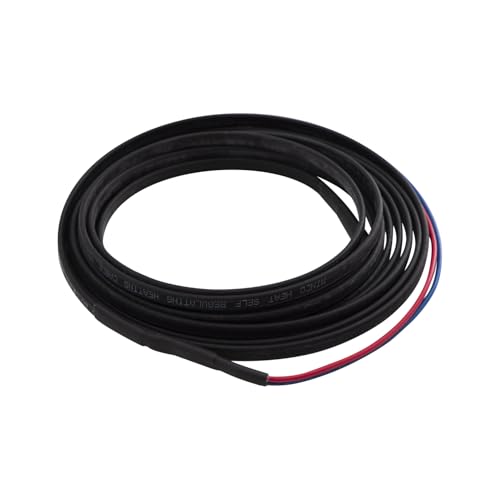
This kit uses a copper conductor, a conductive heating element, and a PE outer sheath within a self-contained package. It is pre-assembled for straightforward installation and runs on 12–14 volts with about 15 watts per meter at 10°C. A 40 cm cold conductor with heat shrink tubing protects the connection point, helping prevent moisture ingress. Best for RVers or truckers needing ready-to-use heat tracing for longer pipe runs. Caution: ensure the power source can safely supply continuous low-voltage warmth.
YeloDeer 20 ft 12V Self-Regulating Heat Cable

YeloDeer’s 12 V heat cable is self-regulating and includes an extended 3 ft power cord, waterproof end seal kit, and aluminium foil tape. It can be cut to length and is available in multiple sizes. The self-regulating design increases heat output in very cold conditions and reduces power when temperatures rise, helping to save energy. Best for outdoor pipes in caravans or long runs where precise length matching matters. Limitation: performance depends on ambient temperature and insulation quality.
MincoHome Self-Regulating 10 ft Pipe Heater

The 10 ft kit features a three-layer construction—copper conductor, conductive heating element, and PE outer sheath—offering durability against wear and aging. It is pre-assembled for easy installation and operates at 12–14 V with 15 W/m at 10°C. A 40 cm cold lead with heat shrink tubing ensures a sealed joint. Best for mid-length pipe runs in RVs and campers. Caution: ensure the system is dry before full power connection.
MincoHome 13 ft DC Heat Cable Kit

This 13 ft kit mirrors the standard three-layer construction with a pre-assembled configuration. It operates on 12–14 V and provides 15 W per meter at 10°C. A 40 cm cold conductor with heat shrink tubing supports safe joins that resist moisture and temperature swings. Best for medium-length pipe runs in winter-ready setups. Limitation: slightly longer installation may require careful routing to avoid kinks.
YeloDeer 5 ft Self-Regulating Pipe Cable
This compact 5 ft option includes a waterproof end seal kit and aluminium foil tape. It self-regulates to increase heat in colder weather and reduce heat when warmer, helping conserve power in shorter runs. Best for shorter pipes or tent setups where flexible, quick-install heating is needed. Caution: shorter length may require securing to prevent sagging in windy outdoor environments.
Buying Guide
What should you consider when choosing low voltage heat tape for pipes?
- Length and pipe layout: Measure the total run and plan for overlaps and turns. Longer runs require more heat tape and possibly multiple segments with sealed joints.
- Voltage and power: Most options run on 12–14 V, with 15 W/m typical. Ensure your power source (battery or vehicle supply) can sustain continuous operation without drains.
- Self-regulating vs. fixed-output: Self-regulating cables automatically adjust heat with ambient temperature, which saves energy and reduces the risk of overheating. Fixed-output cables provide consistent warmth but may require manual control.
- Durability and protection: Look for three-layer construction and moisture sealing at joints. Heat shrink tubing at cold leads helps prevent corrosion and moisture ingress.
- Installation ease: Pre-assembled kits are faster to install but verify length and fit. Consider cold leads and end seals for outdoor exposure.
- Insulation and heat loss: Pair heat tape with proper pipe insulation to maximize efficiency and keep warmth localized to the pipe.
When to choose which option?
- Best for long runs and RV setups: MincoHome 16.5 ft and 13 ft kits provide extended coverage with pre-assembled ease.
- Better for tight spaces or shorter pipes: YeloDeer 5 ft or 20 ft options offer adjustable lengths and energy-saving features.
- Choose this if you need a quick, safe seal at joints: Look for a model with a dedicated cold lead and heat shrink protection.
FAQ
- What voltage do these heat tapes use? Answer: Most options operate at 12–14 V DC, designed for vehicle or RV power systems.
- Can heat tape be cut to length? Answer: Yes for some models; always follow the product’s cut-to-length guidance and use waterproof end seals where provided.
- Is self-regulating heat tape safer? Answer: Self-regulating designs adjust heat output with ambient temperature, reducing the risk of overheating.
- Do I need insulation with heat tape? Answer: Yes, pairing with pipe insulation improves efficiency and reduces heat loss.
- What is a 40 cm cold lead? Answer: It’s the insulated lead that connects the heat element to the power source, designed to be protected from moisture.
- Which product is best for camping? Answer: Options with longer lengths and easy, pre-assembled installation (like MincoHome kits) are well-suited for flexible setups in camping.